When you are browsing through the produce section at your local grocery store, you might notice small stickers with a series of numbers on them. These stickers are known as PLU codes, which stand for “Price Look Up” codes. PLU codes have been a staple in supermarkets since 1990, making checkout and inventory control easier...
Tinea manuum is a fungal infection that affects the skin on one or both hands, often presenting as a type of dermatophytoses – but commonly known as ringworm (tinea). It is commonly associated with athlete’s foot (tinea pedis) and can be part of a condition known as “two feet, one hand syndrome”. This infection thrives...
Scientists at Nanyang Technological University, Singapore (NTU Singapore), have made a crucial breakthrough by successfully growing “mini kidneys” in the lab and grafting them into live mice. This novel method has revealed a new understanding of the metabolic defects associated with polycystic kidney disease (PKD) and offers potential therapeutic methods for this genetic condition. PKD affects approximately...
The relationship between gut bacteria and colon cancer has become a significant area of research, as scientists seek to understand how changes in the gut microbiome might influence the development of precancerous colon polyps and their progression to cancer. A recent study published in the journal Cell Host & Microbe highlights the role of certain...
A preclinical study from Northeastern University has revealed astonishing evidence that psilocybin – the psychedelic compound in magic mushrooms – could possibly repair brain damage caused by head injuries or otherwise known as repetitive mild traumatic brain injuries (rmTBI). Researchers observed that rats treated with psilocybin after simulated head trauma showed reduced brain swelling, restored...
Losing weight is a challenging journey for many, often marked by a cycle of weight loss and weight regain known as the “yo-yo effect”. This phenomenon is not only frustrating but also poses significant health risks, including increased body fat percentage, metabolic issues, and higher risks of chronic diseases like diabetes and heart disease. Recent...
Chlorine-washed chicken, commonly used in the U.S., involves treating poultry with chlorinated water to reduce bacterial contamination, such as salmonella and campylobacter. The E has banned this practice due to concerns that it masks poor hygiene standards rather than addressing them. While the chlorine wash itself is considered safe, it can lead to chemical residues...
Heavy metal detoxes are procedures designed to remove toxic heavy metals from the body. These metals, such as mercury, lead, and arsenic, can accumulate through exposure to contaminated air, water, food, or industrial waste, leading to serious health issues if not dealt with properly. While some heavy metals like iron and zinc are essential for...
Type 2 diabetes is a widespread, chronic condition affecting 36 million Americans and millions worldwide. Characterized by the body’s ineffective use of insulin, it leads to elevated blood sugar levels. While often considered a lifelong ailment, emerging research and clinical evidence suggest that type 2 diabetes reversal – defined as achieving normal blood sugar levels...
In the ongoing quest to combat cancer, one of the most promising and accessible tools may be right at our fingertips: physical activity. Recent studies have highlighted the profound impact that even modest levels of exercise can have on cancer outcomes, particularly in reducing the risk of cancer progression and mortality. A study published in...
Iowa lawmakers have advanced a controversial bill to restrict mRNA vaccines—vaccines that played a pivotal role in ending the COVID-19 pandemic. The proposed Iowa mRNA vaccine ban comes as legislators in conservative states rehash pandemic-era policies and vaccine skepticism, raising concerns about public health impacts and legal challenges. This move aligns with broader efforts in...
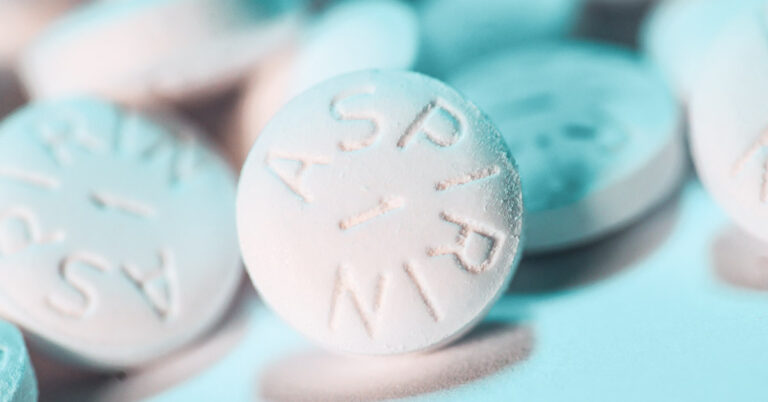
In a remarkable scientific breakthrough that researchers are calling a ‘eureka moment,’ a team at the University of Cambridge has potentially turned a cheap painkiller into a new weapon to fight against cancer metastasis – aspirin. Aspirin, a common, over-the-counter medication has long been known for its anti-inflammatory and pain-relieving properties. However, this new research...