
Hair can be stubborn. You can try every shampoo on the shelf, swap out your styling routine, and still find yourself staring at a thinning ponytail or a shower drain that tells a frustrating story. What most people don’t realize is that the root of the problem, quite literally, often starts in the kitchen. The hair you see today was built months ago from the nutrients you ate. If those nutrients were missing, your hair already paid the price.
The good news is that food is one of the most powerful levers you can pull when it comes to growing stronger, thicker hair. Not supplements you guess at in a pharmacy aisle, but actual whole foods that supply the precise building blocks your follicles need to function. Understanding which foods for thicker hair genuinely move the needle separates the useful from the noise.
This isn’t about a miracle diet or eating strange things in strange quantities. The 15 foods on this list are all practical, widely available, and backed by real science. Some you probably already eat. Others you might have overlooked entirely. Either way, by the end of this article, your grocery list will look a little different, and your hair, given time, will likely look different too.
1. Eggs
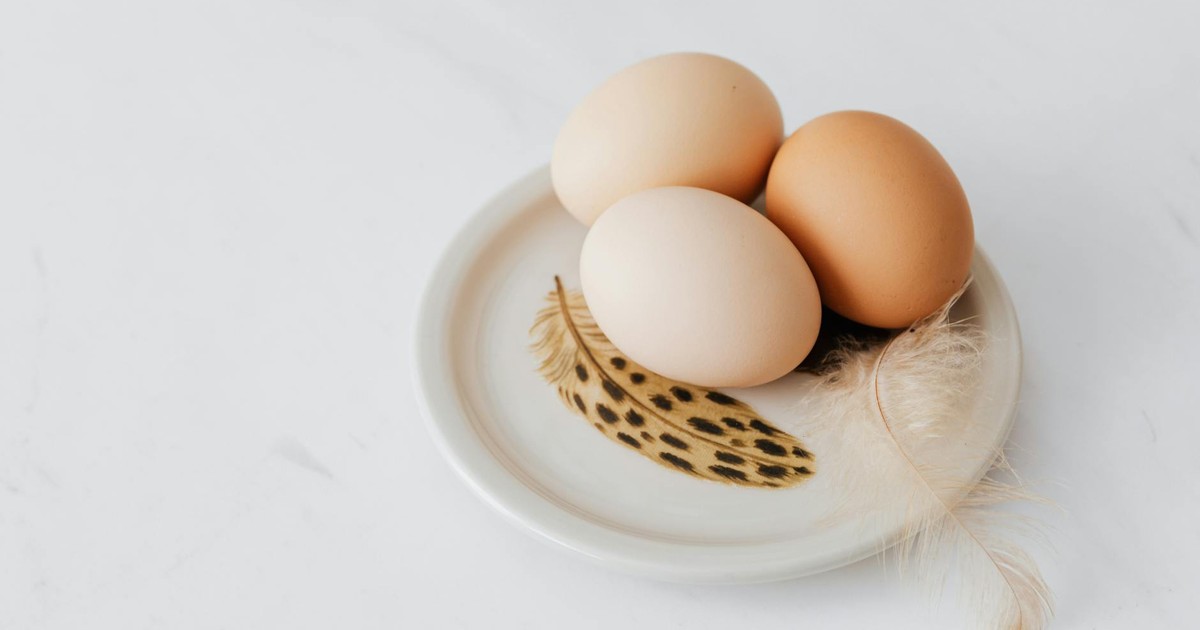
Few foods pack as much hair-supporting nutrition into a single serving as eggs. Biotin, a B vitamin that functions as a cofactor in keratin production, contributes directly to hair shaft strength. Eggs are one of the richest natural sources of biotin you can eat, and they also deliver high-quality protein, zinc, and selenium all in one go.
Zinc is an essential nutrient cofactor for the enzymes involved in hair growth, and hair loss is a well-established sign of zinc deficiency, with regrowth occurring when zinc levels are restored. Getting zinc from whole food sources like eggs is preferable to supplementing blindly, since excess zinc can actually interfere with iron absorption.
According to the NIH Office of Dietary Supplements, most healthy adults get sufficient biotin through diet alone, from foods like eggs, nuts, seeds, salmon, and legumes. That means two or three eggs a day is a genuinely effective strategy for maintaining the biotin your follicles rely on, without the uncertainty of supplementation. Scrambled, poached, or hard-boiled, eggs are one of the easiest wins on this list.
2. Fatty Fish (Salmon, Mackerel, Tuna)
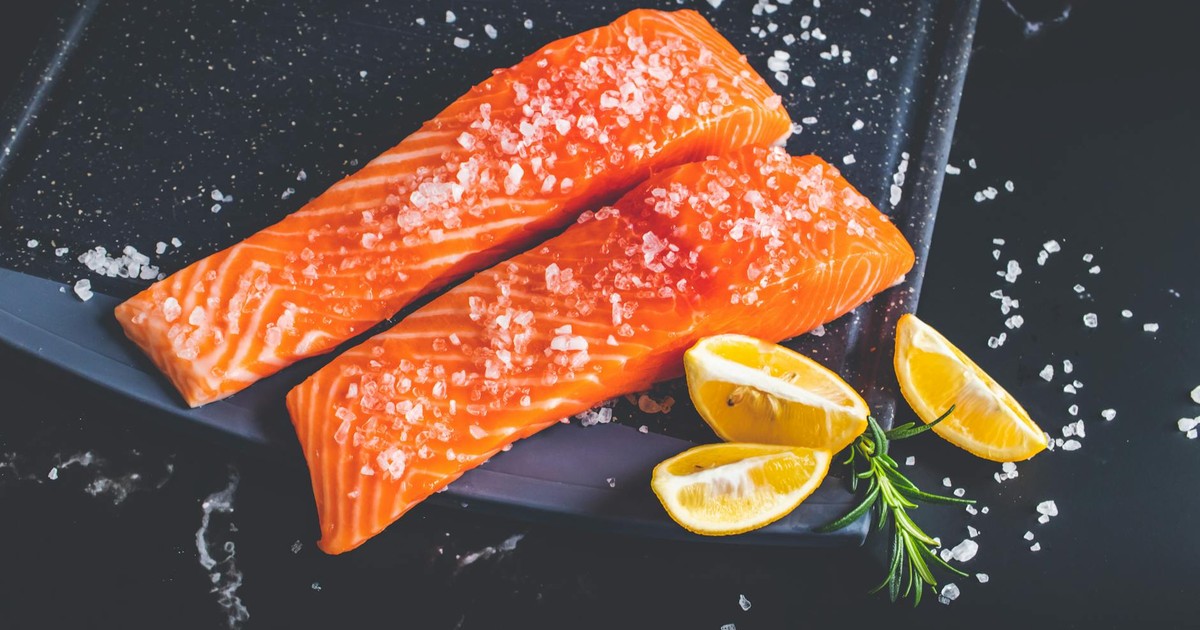
Fatty fish are arguably the single most nutrient-dense category of food for hair health. According to a 2025 report from Healio covering nutrition guidelines for healthy hair, tuna, mackerel, and salmon contain high amounts of omega-3 fatty acids, vitamin D, protein, and B vitamins, all of which support the hair growth cycle from multiple angles simultaneously.
The omega-3 connection is particularly meaningful. Research into omega-3 fatty acids suggests they help provide essential nutrients to hair follicles, prevent follicle inflammation, and promote scalp circulation. A 2015 study published in the Journal of Cosmetic Dermatology found that women who took a supplement combining omega-3 and omega-6 fatty acids experienced reduced hair loss and increased hair density. While that study used supplements, eating fatty fish two to three times a week delivers the same fatty acids in a bioavailable, whole-food form.
Beyond omega-3s, the vitamin D in fatty fish addresses a gap that affects a surprisingly large number of people. Vitamin D deficiency has been associated with various forms of nonscarring hair loss, including telogen effluvium (a condition where hair sheds faster than it regrows) and androgenetic alopecia (hereditary hair thinning). Salmon and mackerel are among the few foods that naturally contain meaningful amounts of vitamin D, making them doubly valuable for hair health. Aim for two to three 3 – 4 ounce servings per week.
3. Spinach
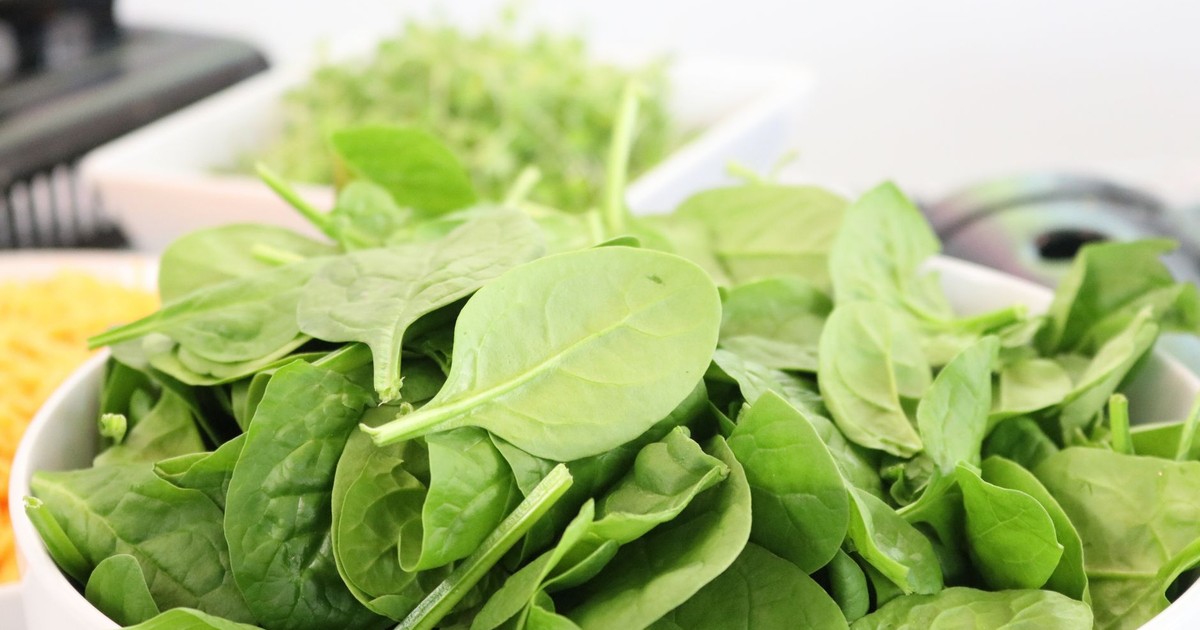
Spinach is the kind of food that earns its reputation. This leafy green is loaded with folate, iron, and vitamins A and C, all of which are important for hair growth. What makes spinach particularly useful is that those nutrients work together, not in isolation. Vitamin C, for instance, helps your body absorb the iron that spinach also provides.
Spinach is a great plant-based source of iron, which is essential for hair growth. Iron helps red blood cells carry oxygen throughout the body, and low iron levels may cause iron deficiency anemia, which has been linked to hair loss. This is especially relevant for anyone eating less red meat, as plant-based iron is slightly harder for the body to absorb without the assist from vitamin C.
Folate, also known as vitamin B9, supports cell division and tissue growth, which encourages hair follicle regeneration. One cup of raw spinach delivers about 15% of your daily folate needs, according to Healthline. Add it to smoothies, sauté it with garlic, or layer it into omelets. The method matters less than the consistency.
4. Oysters and Shellfish
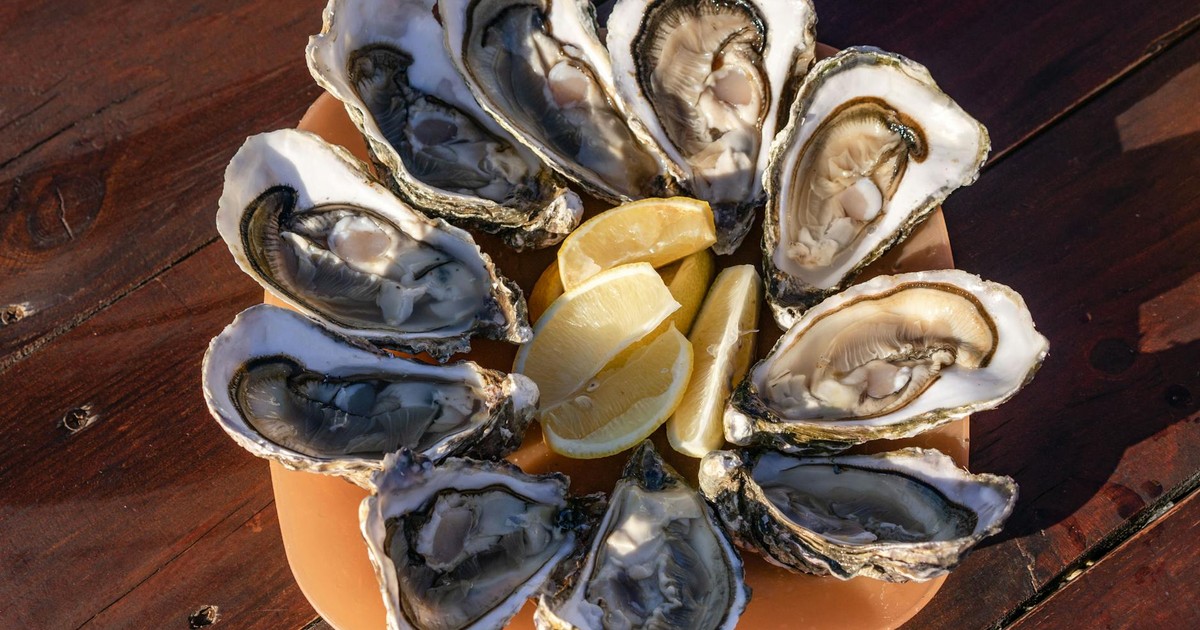
When it comes to zinc, no food category beats shellfish. You need zinc to make keratin and grow hair, and shellfish are among the best dietary sources of zinc available. Oysters in particular are one of the most zinc-dense foods on the planet, with a single serving providing several times the recommended daily amount.
A 2025 study published in the journal Diseases found that women with hair loss had significantly lower mean levels of hemoglobin, iron, ferritin, selenium, zinc, and copper compared to healthy controls. That finding reinforces what we know from clinical practice: micronutrient gaps, especially zinc, are a genuine driver of female hair thinning, not just a peripheral concern.
Beyond zinc, shellfish also supply iron and selenium, giving you multiple hair-critical minerals in a single meal. If oysters aren’t your thing, clams and mussels cover much of the same nutritional ground. Even shrimp provides a solid hit of protein and zinc without the strong flavor profile. Try to include shellfish at least once a week if you want to keep your zinc levels where your follicles need them.
5. Sweet Potatoes
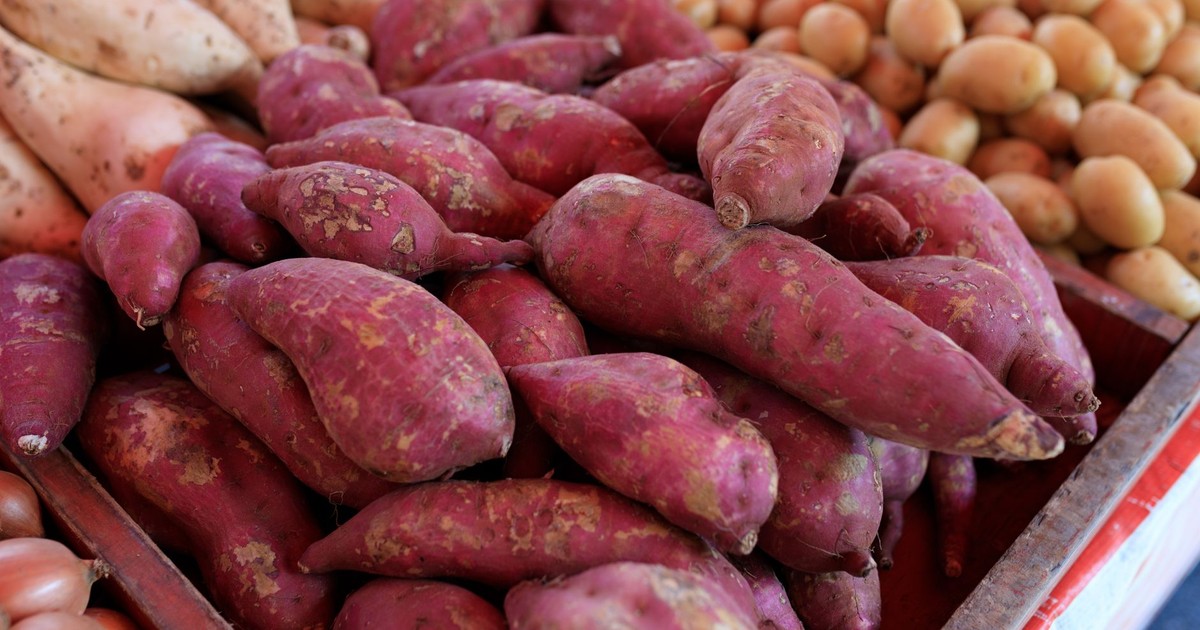
Sweet potatoes don’t often make the conversation when people talk about foods for thicker hair, but they should. A medium sweet potato contains enough beta-carotene to provide up to 160% of your daily vitamin A needs, and research has shown that vitamin A can affect the production of sebum, the natural scalp oil that keeps hair moisturized and healthy.
Beta-carotene, which the body converts into vitamin A, is crucial for cell growth, including hair cells, and also aids in the production of sebum. A dry, flaky scalp is often a sign that sebum production has dropped, and that can signal inadequate vitamin A intake. Sweet potatoes address that problem directly.
One important caveat: too much vitamin A from supplements can actually trigger hair loss, making supplementation a risky route. The safe alternative is eating beta-carotene-rich foods like sweet potatoes, because your body will only convert beta-carotene into vitamin A if it actually needs it, making toxicity from food essentially impossible. Roasted, mashed, or baked, this versatile vegetable is a smart addition to any hair-focused eating plan.
6. Nuts
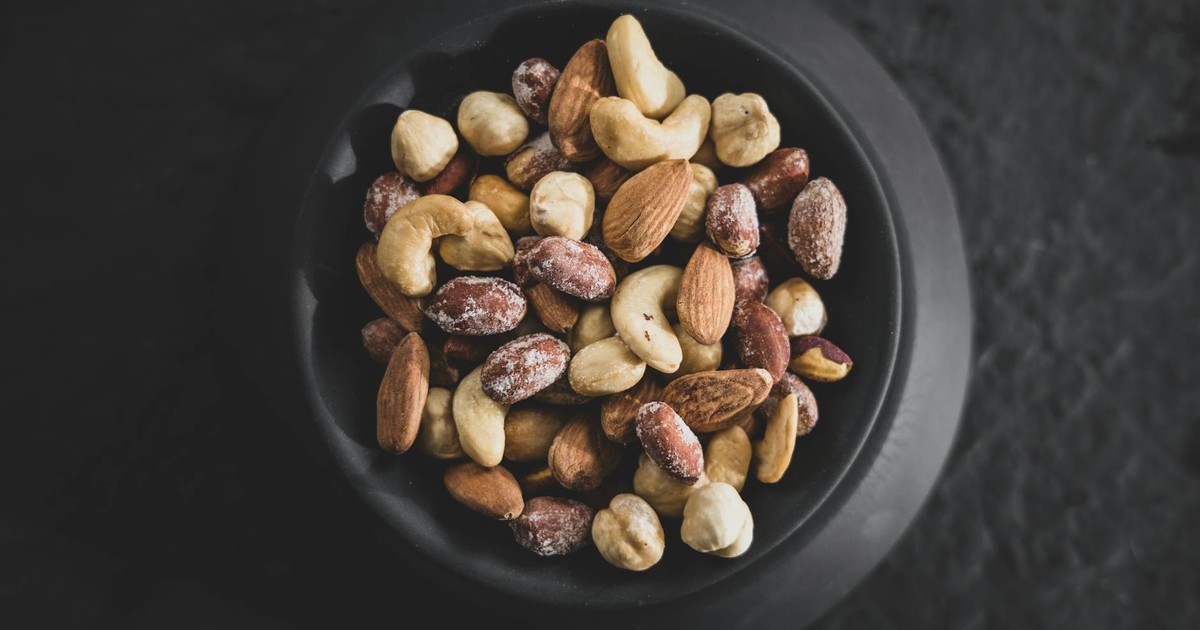
A small handful of nuts delivers a surprisingly broad spectrum of hair-supporting nutrients. Nuts hold high amounts of vitamin E, zinc, selenium, omega-3 fatty acids, and potassium, according to nutrition research presented at the 2025 South Beach Dermatology Symposium. That combination covers several of the key nutritional gaps linked to hair thinning.
Vitamin E, in particular, acts as a potent antioxidant in the scalp. It neutralizes free radicals (unstable molecules that can damage cells) that would otherwise impair follicle function. Vitamin E may support hair growth, and like vitamin C, it is an antioxidant that helps prevent oxidative stress by neutralizing free radicals.
Walnuts deserve a special mention because they also contain ALA, a plant-based form of omega-3 fatty acid. While ALA converts to the more potent EPA and DHA at lower rates than fish-derived omega-3s, it still contributes to overall fatty acid status. A small daily serving of mixed nuts, roughly a quarter cup, is one of the simplest dietary upgrades you can make for your hair and your overall health.
7. Seeds (Flaxseeds, Chia Seeds, Pumpkin Seeds)
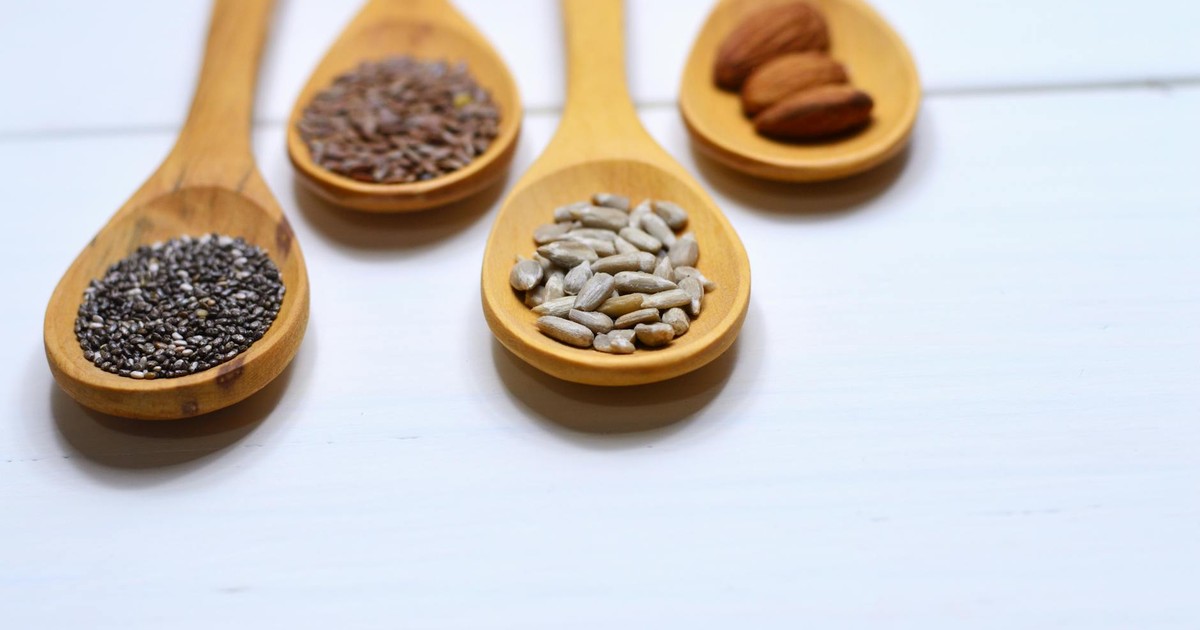
Seeds punch well above their weight when it comes to hair nutrition. Flaxseeds and chia seeds are among the best plant-based sources of omega-3 fatty acids, while pumpkin seeds provide a substantial dose of zinc and magnesium. Plant-based seeds contain ALA, a type of omega-3 that must be converted to EPA and DHA in the body, but they still provide valuable nutrients for hair health.
Biotin, which seeds also contain in modest amounts, serves as a crucial cofactor for several enzymes involved in metabolism and supports keratin production, the structural protein that makes up your hair, skin, and nails.
Ground flaxseeds are more bioavailable than whole ones, since the tough outer hull resists digestion. Add one to two tablespoons to oatmeal, yogurt, or a smoothie daily. Chia seeds work well soaked overnight in water or plant milk. For pumpkin seeds, a small handful as a snack covers meaningful zinc ground without a lot of calories. Rotating through different seeds each week gives you the broadest micronutrient coverage.
8. Lean Poultry and Red Meat
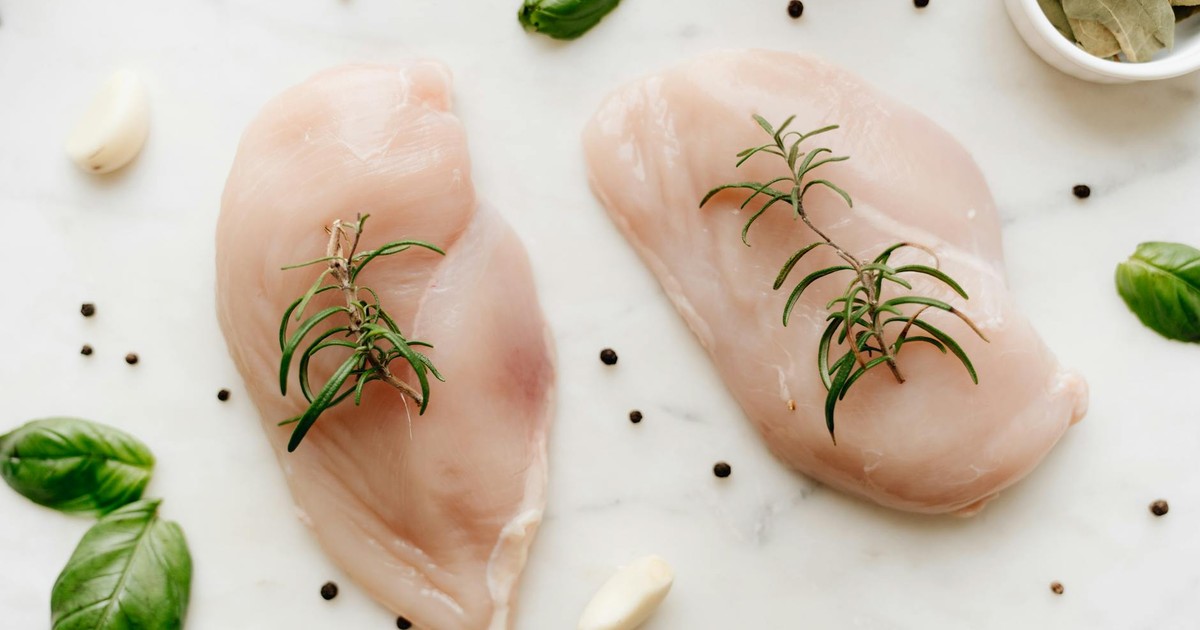
Hair is built almost entirely from a protein called keratin. Since hair is made of a protein called keratin, adequate protein intake is non-negotiable for hair growth. When protein intake drops, the body prioritizes essential functions over hair production, and follicles respond by slowing or stopping growth.
The Dietary Guidelines for Americans, 2025-2030 emphasizes adequate daily protein intake for overall health, including hair growth. Lean chicken and turkey deliver high-quality, complete protein with all the essential amino acids your follicles need to construct new strands. Women’s protein targets are slightly lower than men’s, but still substantial for anyone who wants to support healthy hair growth.
Red meat, particularly beef, also provides heme iron, the most easily absorbed form of dietary iron. Red meat is rich in a type of iron that is easy to absorb, and this mineral helps red blood cells deliver oxygen to all cells in the body, including hair follicles. If you do eat red meat, moderation matters, as research links heavy consumption to cardiovascular risk. Two to three servings per week, balanced with plant proteins, is a reasonable and sustainable approach for most adults.
9. Avocados
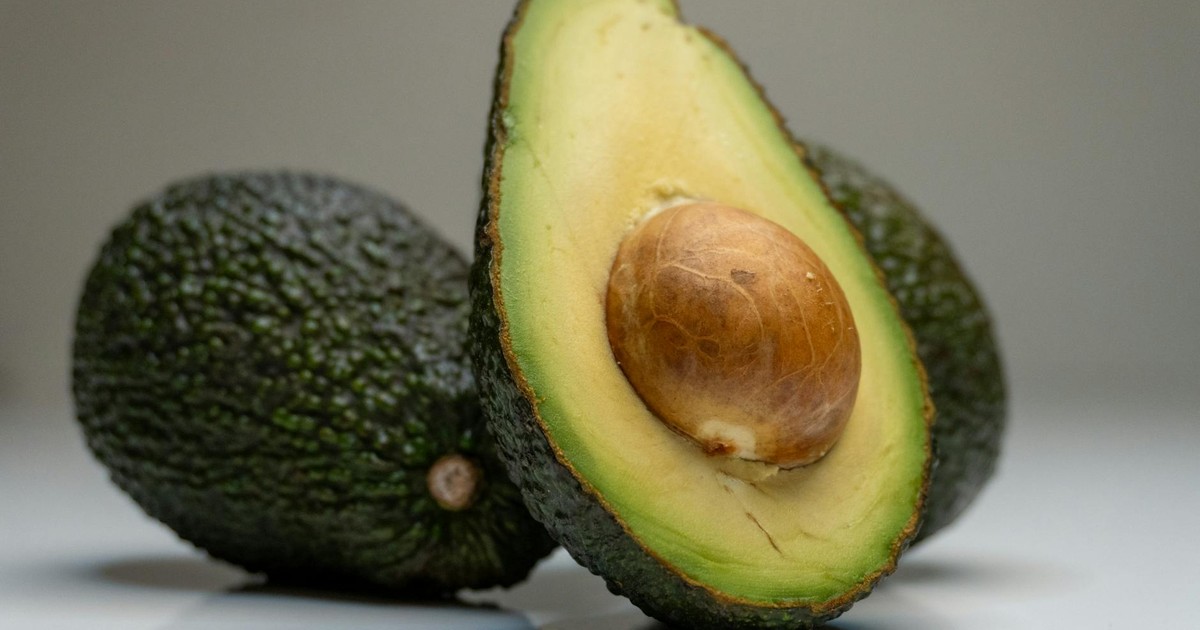
Avocados are best known for their healthy fats, but their vitamin E content makes them especially relevant for hair. Avocados are a great source of healthy fats and provide an excellent source of vitamin E, which may support hair growth. Like vitamin C, vitamin E is an antioxidant that helps prevent oxidative stress by neutralizing free radicals.
The healthy monounsaturated fats in avocados also support the absorption of fat-soluble vitamins, including vitamins A, D, E, and K, all of which play roles in follicle health. Eating avocado alongside a spinach salad, for example, boosts your body’s ability to absorb the fat-soluble nutrients from both foods simultaneously.
Practically speaking, half an avocado a day is a manageable, enjoyable way to maintain your vitamin E intake. That’s worth more than a generic antioxidant supplement because avocados also provide potassium, B vitamins, and folate, giving your hair follicles support from multiple directions at once.
10. Greek Yogurt
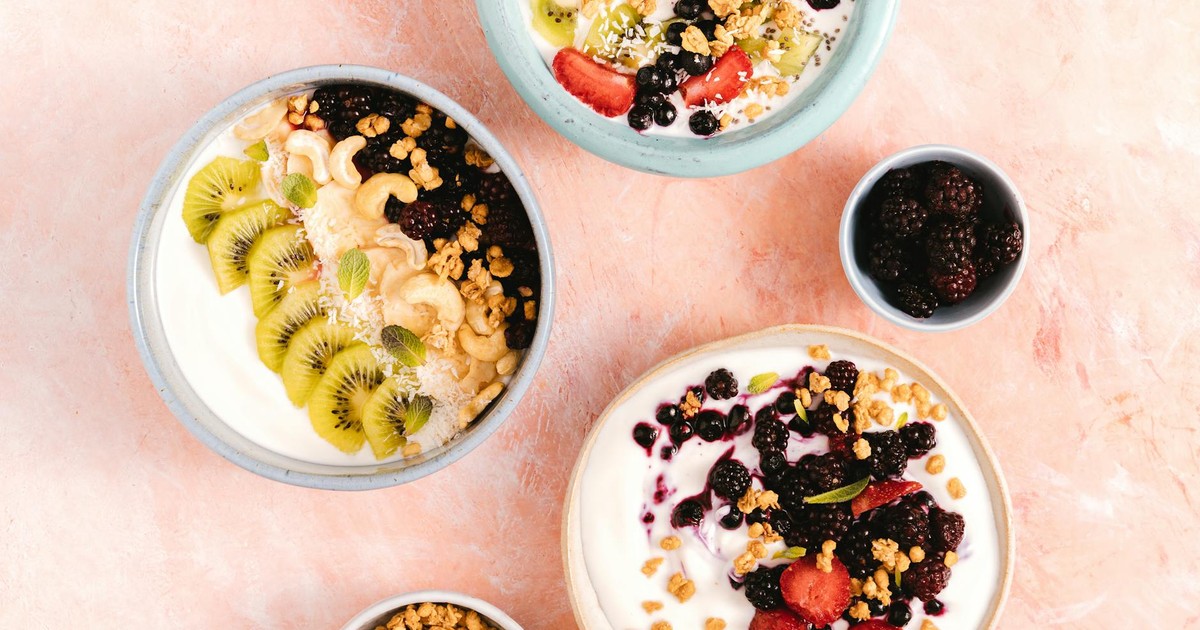
Greek yogurt doesn’t always appear on hair nutrition lists, but it should. It’s one of the most accessible sources of high-quality protein, delivering roughly 15 – 20 grams per serving depending on the brand. For anyone who doesn’t eat much meat, it fills a meaningful protein gap.
Greek yogurt also provides B12 and riboflavin (vitamin B2), both of which support red blood cell production. Iron ensures adequate oxygen delivery to hair roots, which is particularly important for individuals with deficiencies. The B vitamins in Greek yogurt support that same oxygen-delivery process by keeping red blood cells healthy and efficient.
Additionally, the live cultures in Greek yogurt support gut health, which influences nutrient absorption more broadly. A gut that absorbs iron, zinc, and B vitamins efficiently is a gut that feeds healthier hair. Look for plain, full-fat or low-fat Greek yogurt without added sugar, and pair it with berries or a sprinkle of ground flaxseed for an even more hair-focused breakfast.
11. Lentils and Legumes
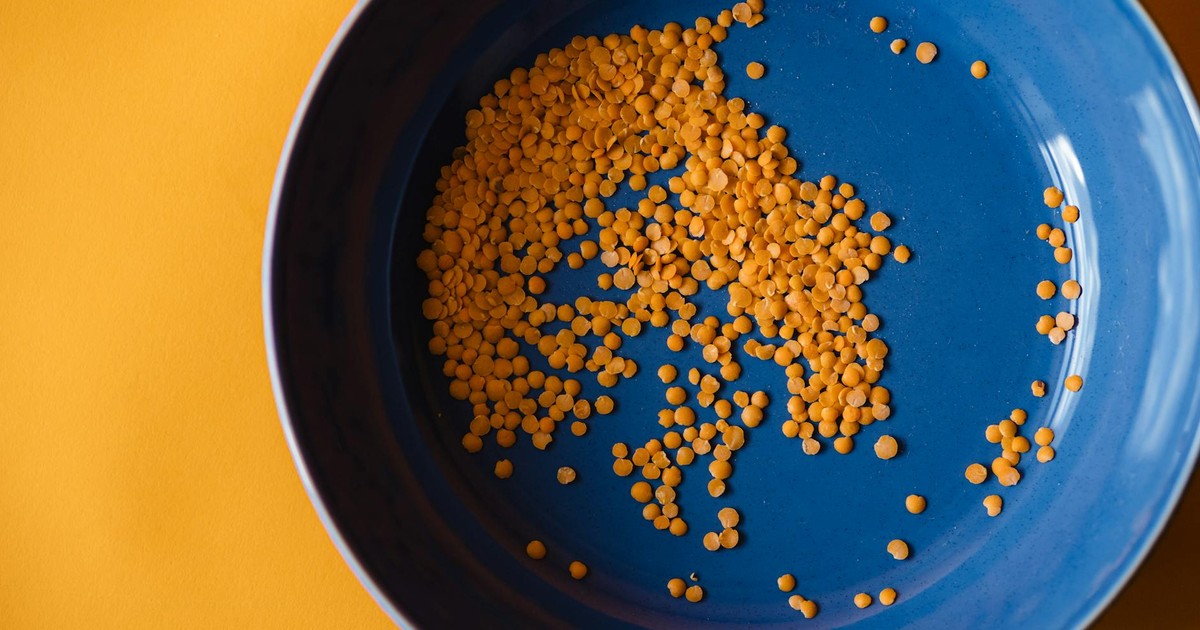
Lentils are one of the most nutrient-efficient foods for hair on this list, particularly for anyone following a plant-based diet. A single cooked cup delivers protein, iron, folate, and zinc in amounts that rival many animal foods. One cup of cooked kidney beans contains about 33% of the daily value for folate, while one cup of cooked lentils provides 90% of the daily value.
Folate’s role in hair health connects to its broader function in cell replication. Folate supports cell division and tissue growth, which encourages hair follicle regeneration. Follicles are among the most rapidly dividing cells in the human body, so they’re particularly sensitive to folate adequacy. A deficiency doesn’t just slow hair growth; it can change the texture and structural integrity of new strands.
Lentils also provide plant-based iron, which pairs well with the vitamin C found in many common cooking ingredients like tomatoes and bell peppers. Add lentils to soups, stews, or grain bowls at least two to three times per week to build a steady foundation of the B vitamins and minerals your follicles depend on.
12. Bell Peppers and Citrus Fruits
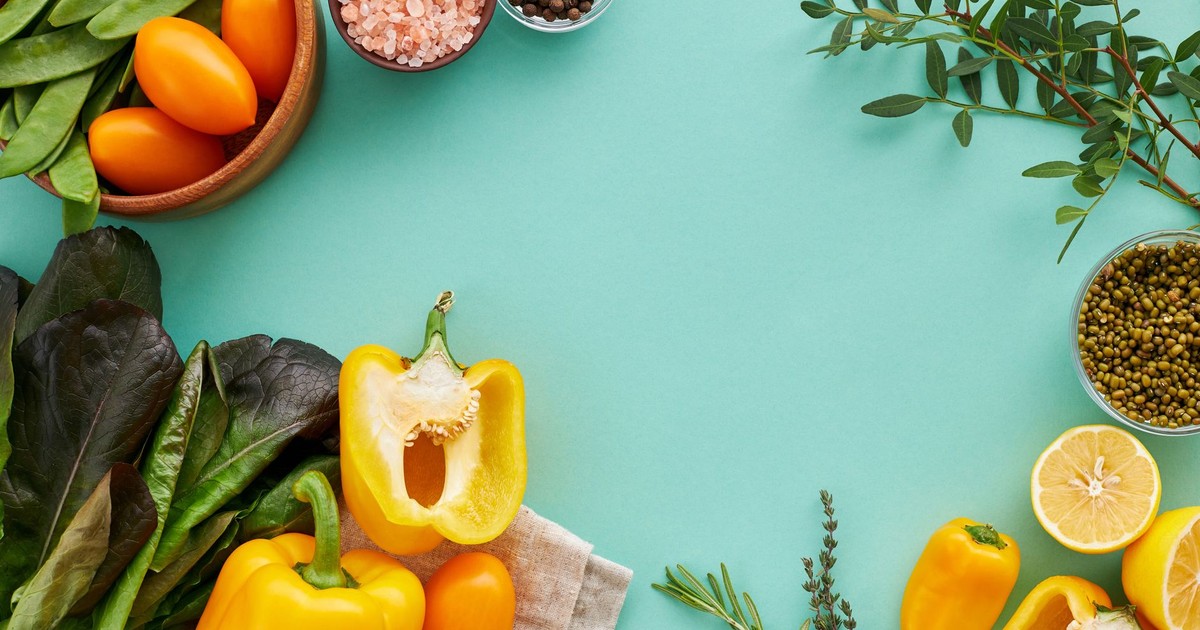
Vitamin C is not often the first thing people think of for hair, but it plays two critical roles. First, it’s a powerful antioxidant that protects follicle cells from oxidative damage. Second, and just as importantly, it dramatically boosts the body’s absorption of non-heme iron, the type found in plant foods like spinach and lentils.
If you’re eating iron-rich plant foods without pairing them with vitamin C, you’re leaving a significant amount of that iron unabsorbed. Bell peppers, particularly red and yellow ones, are among the highest vitamin C foods you can eat, delivering more per gram than oranges.
Citrus fruits like oranges, kiwi, and guava round out this category. Guava in particular is exceptional: according to WebMD, one cup of guava provides 377 milligrams of vitamin C, more than four times the minimum daily recommended amount. Aim for at least one vitamin C-rich food at each meal that also includes iron-containing ingredients, and you’ll maximize the hair-building potential of everything else on this list.
13. Brazil Nuts and Selenium-Rich Foods
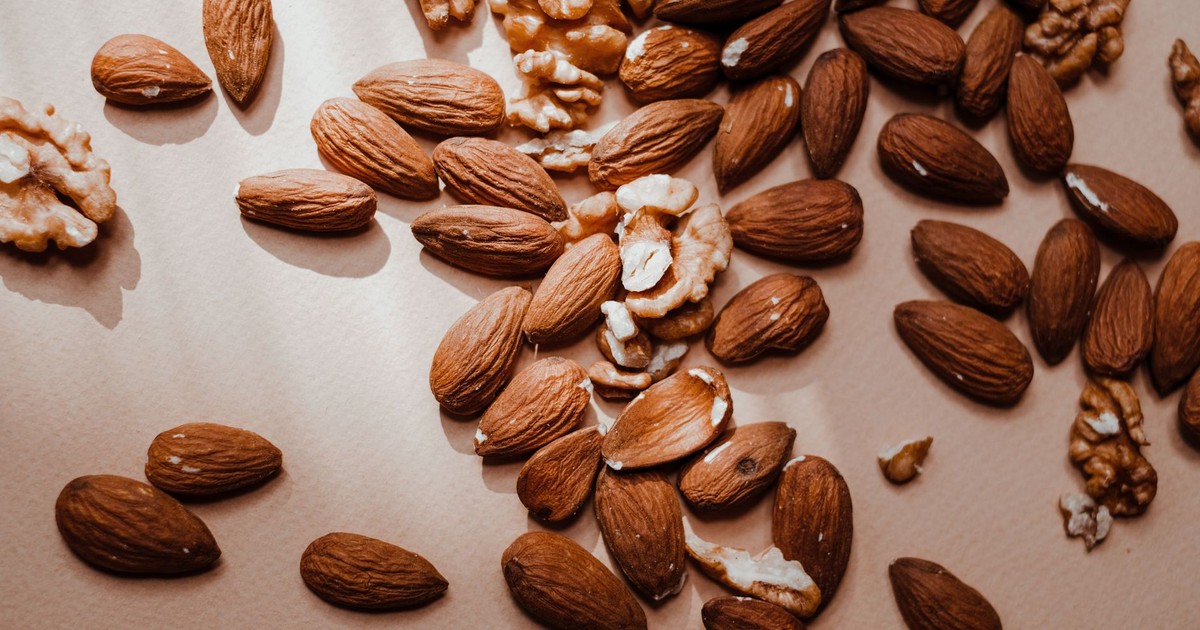
Most people have never thought about selenium in the context of hair, but the research makes a strong case for it. Selenium acts as a cofactor for glutathione peroxidase, an antioxidant enzyme that helps protect hair follicle cells from free radical damage. When selenium levels fall short, that protective mechanism weakens, leaving follicles more vulnerable to oxidative stress.
The same 2025 study published in the journal Diseases found that women experiencing hair loss had significantly lower levels of selenium compared to healthy controls, placing it alongside iron and zinc as a clinically meaningful driver of female hair thinning. That finding aligns with what we know about selenium’s function at the cellular level.
Brazil nuts are the most concentrated dietary source of selenium available. Just one or two Brazil nuts a day provides more than the recommended daily amount, so this isn’t a food you need to eat in large quantities. In fact, overconsumption can cause selenium toxicity, so restraint is sensible. One Brazil nut a day is genuinely sufficient for most adults. Tuna, eggs, and sunflower seeds are also good secondary sources if you want to distribute your intake across multiple foods.
14. Bone Broth and Collagen-Rich Foods
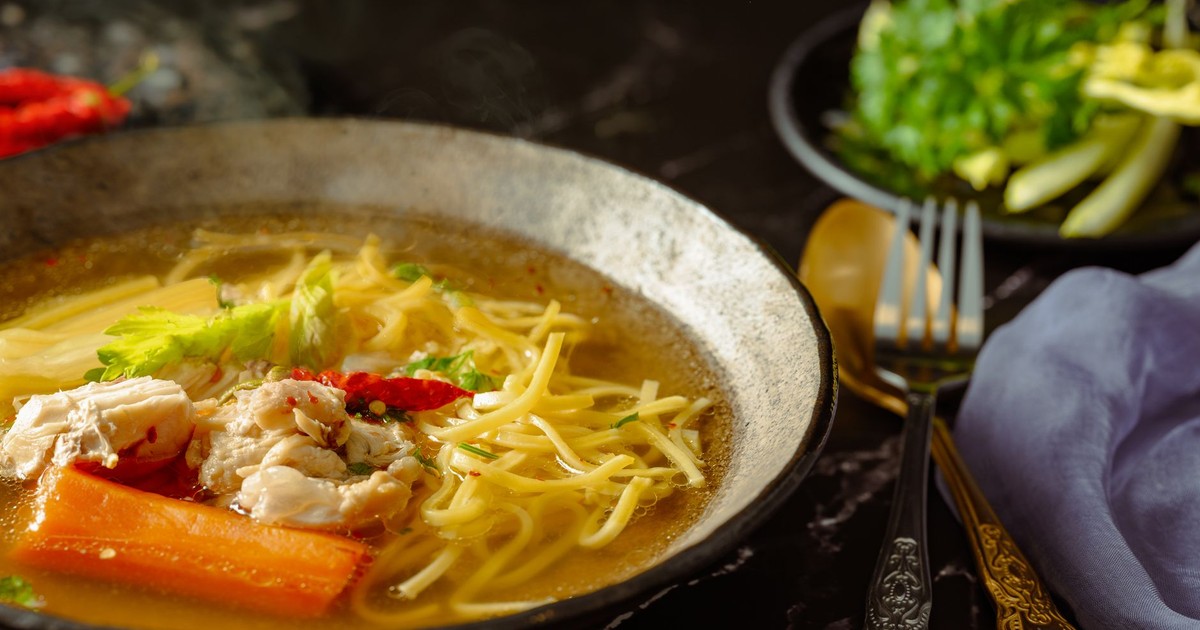
Collagen is the structural protein that forms the foundation of the dermal layer in your scalp, the tissue from which each hair follicle grows. Collagen supports the underlying growth process while keratin directly fortifies the hair shaft itself, making the two proteins complementary rather than interchangeable. You can’t replace one with the other.
Collagen provides amino acids that support hair follicle regeneration and improve scalp blood circulation and hydration. Bone broth is one of the richest dietary sources of collagen precursors, the amino acids glycine and proline that your body uses to synthesize its own collagen. Slow-cooked animal bones release these amino acids into the broth over hours of simmering.
If bone broth isn’t appealing, chicken skin, pork rinds, and slow-cooked meats also supply collagen. For plant-based eaters, vitamin C is the key nutrient that drives the body’s internal collagen synthesis, which is another reason why bell peppers and citrus fruits earn their place on this list. Including at least one collagen-supporting food daily, whether animal-derived or plant-based, keeps the scaffolding of your scalp in good repair.
15. Sunflower Seeds and Vitamin D-Rich Foods
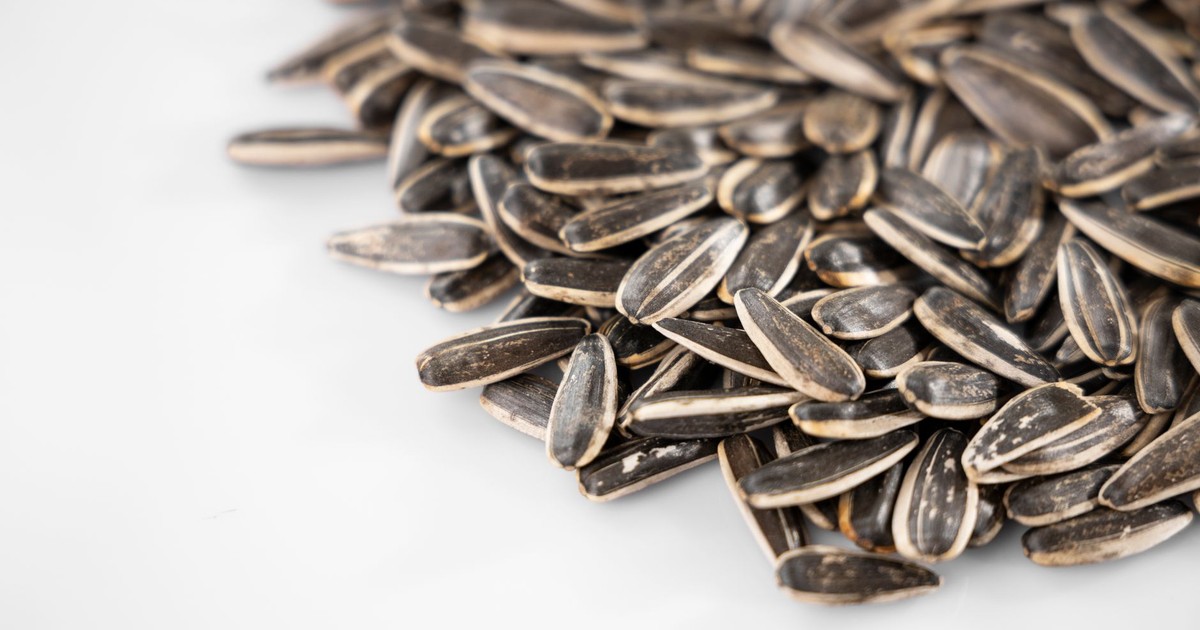
Vitamin D’s connection to hair health is one of the more compelling findings to emerge from recent research. Vitamin D receptors are expressed in hair follicles and regulate keratinocyte differentiation, which directly impacts the hair growth cycle. Keratinocytes are the cells that form the hair shaft itself, so disruption to their development affects not just growth rate but strand thickness and quality.
Vitamin D deficiency has been associated with various forms of nonscarring hair loss, including telogen effluvium and androgenetic alopecia. Given that a large portion of the adult population in northern climates is deficient in vitamin D for much of the year, this is a gap worth closing through diet wherever possible. Fatty fish like salmon are the most potent food source, but sunflower seeds, fortified dairy products, and egg yolks all contribute meaningful amounts.
Sunflower seeds also provide selenium, vitamin E, and B vitamins alongside their vitamin D contribution, making them a compact multi-nutrient addition to your routine. A quarter cup sprinkled over salads or blended into trail mix is an easy, low-effort way to consistently support your dietary vitamin D intake between meals. Combined with two to three weekly servings of fatty fish, most adults can meaningfully improve their vitamin D status through food alone.
Read More: 5 Deliciously Easy Smoothie Recipes For Healthy Skin
What This Means for You
Hair growth is a slow process, and that can be frustrating when you want results. New strands take three to six months to become visible, which means the food changes you make today won’t show up in the mirror immediately. That’s not a reason to delay – it’s a reason to start now. Every nutrient-dense meal you eat is a deposit into a biological account that pays out in the quality and density of the hair you’ll grow months from now.
The most practical takeaway from this list is that variety beats volume. No single food solves a hair loss problem, and over-relying on one item, even a great one like salmon, creates gaps that other follicle-supporting nutrients fill. The pattern that research consistently points to is a diet rich in protein, iron, zinc, omega-3 fatty acids, vitamin D, and antioxidant vitamins, spread across a wide range of whole foods. If you can work five or six items from this list into your regular rotation each week, you’ll be giving your hair the nutritional foundation it needs to grow back thicker, stronger, and more resilient than it is today.
Disclaimer: This information is not intended to be a substitute for professional medical advice, diagnosis, or treatment and is for information only. Always seek the advice of your physician or another qualified health provider with any questions about your medical condition and/or current medication. Do not disregard professional medical advice or delay seeking advice or treatment because of something you have read here.
AI Disclaimer: This article was created with the assistance of AI tools and reviewed by a human editor.
Read More: Why Do I Have So Much Ear Hair? Causes, Age Effects, and Removal Options