When you hear the term superfruit, you likely think of blueberries, acai berries, goji berries, or some other more exotic fruit. There is, however, another more humble and unassuming fruit that you’re probably leaving off that list: the lemon. Lemons are inexpensive, easy to get at any grocery store (trying freezing them), and are so...
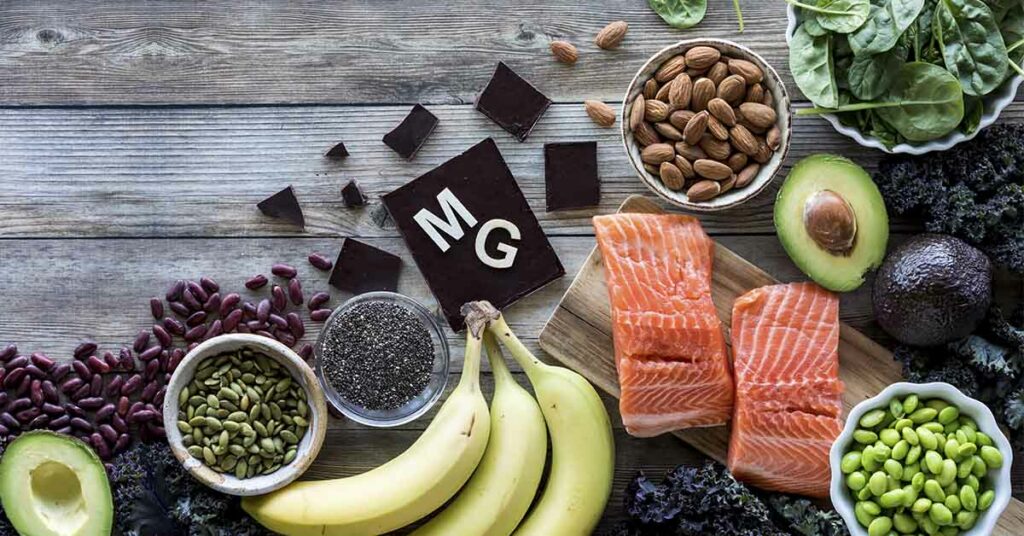
Magnesium is an essential mineral that plays a crucial role in numerous bodily functions. Despite its significance for overall health, magnesium deficiency is important to avoid. Let’s take a dive into the world of magnesium by exploring its functions, signs of deficiency, and its potential impact on chronic diseases. We will also look at dietary...
Americans on average only eat about half the daily recommended amount of fiber. It’s an essential component of the food we eat, and it may help you live longer. In studies, it has been shown to help prevent and fight type 2 diabetes. It has also been shown to help prevent heart attacks and stroke. What The Studies Show A recently released study...
Poor circulation is a common problem caused by a number of conditions. Peripheral artery disease (PAD), diabetes, obesity, smoking, and Raynaud’s disease are some of the many causes of poor circulation (1, 2, 3, 4, 5). Reduced blood flow can cause unpleasant symptoms, such as pain, muscle cramps, numbness, digestive issues, and coldness in the...
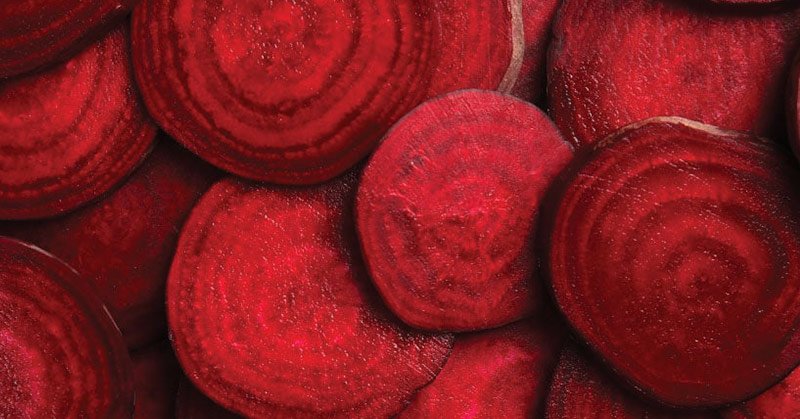
Hate them or love them, beets are being hailed as one of the newest popular superfoods. Gone are the days of the humble roasted beetroot, nowadays people are putting them in anything from salads and smoothies to desserts! But why the sudden attraction to beets? As it turns out, people not only love them for...
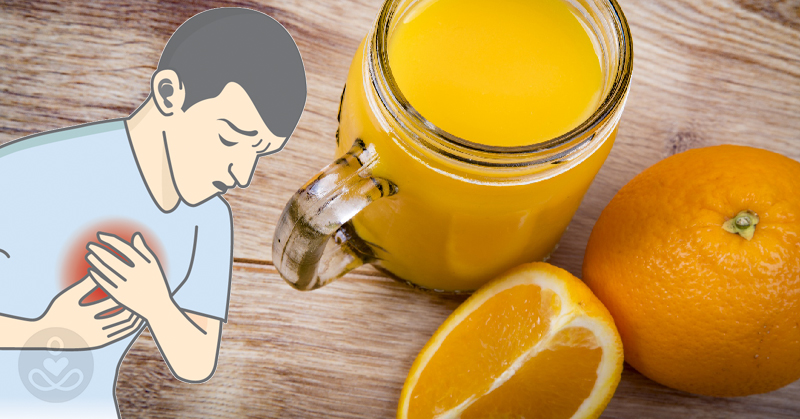
Acid reflux or heartburn is technically known as gastroesophageal reflux. A person with acid reflux or heartburn may feel a burning sensation in their throat and chest, which may be quite painful and distressing. Acid reflux occurs when the valve, or sphincter, that connects the stomach to the esophagus, or food pipe, is weakened. When...
Gut bacteria, also known as the microbiome, refers to the trillions of microscopic organisms that reside in our digestive tract. These organisms, including bacteria, viruses, fungi, and other microbes, play a crucial role in our overall health and well-being. If these bacteria are out of balance, it can cause illness and disease. These are the...
A study on the effects of aspirin has found alarming results. It’s quite common for older people at risk of heart disease and stroke to take low-dose aspirin (aka baby aspirin) as a blood thinner to reduce the risk of an emergency situation. However, recent research has found this drug may cause bleeding in the...
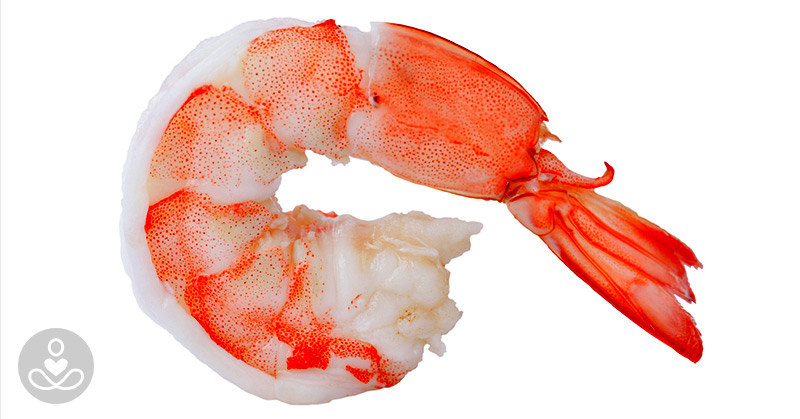
Under the sea, under the sea, darling it’s better down where it’s wetter, take it from me. As true as that may be for the water-dwellers, Americans prefer seafood on their plates. Over the last couple of decades, shrimp has become the most widely consumed seafood in the United States (along with canned tuna and...
You’ve heard it’s bad for you and yet many Americans still consume way too much sugar. Honestly, it’s pretty easy to underestimate how much sugar you consume, especially if you aren’t paying close attention; it is in sauces, dressings, baked goods, fruit, and even “healthy” packaged foods. Usually, people automatically think of type 2 diabetes...
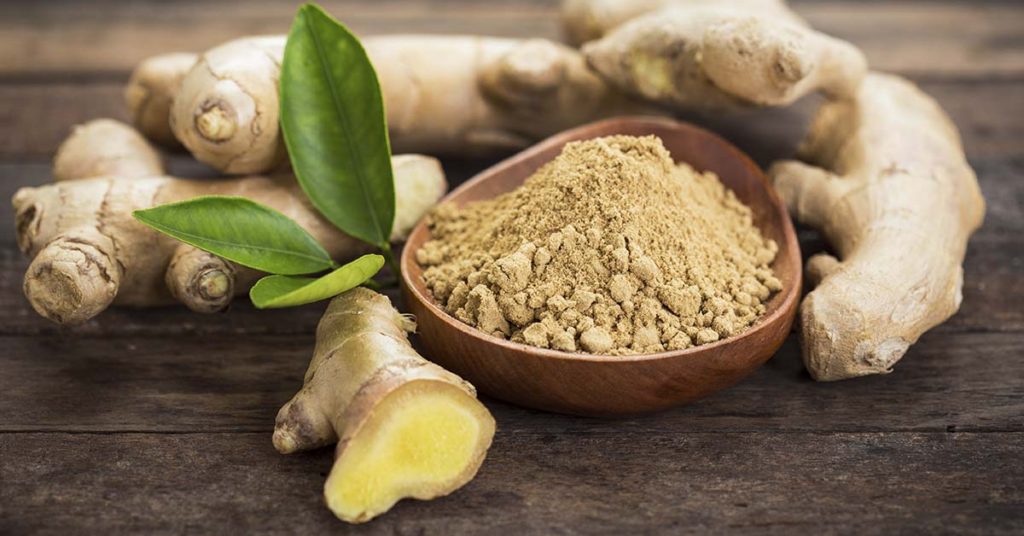
We all know by now that ginger is good for us. We know that it has antibacterial properties and that it can give our immune systems a little support during cold and flu season. Recently, however, another benefit of this spicy root has been explored: It helps fights body fat. Specifically, it can potentially prevent...
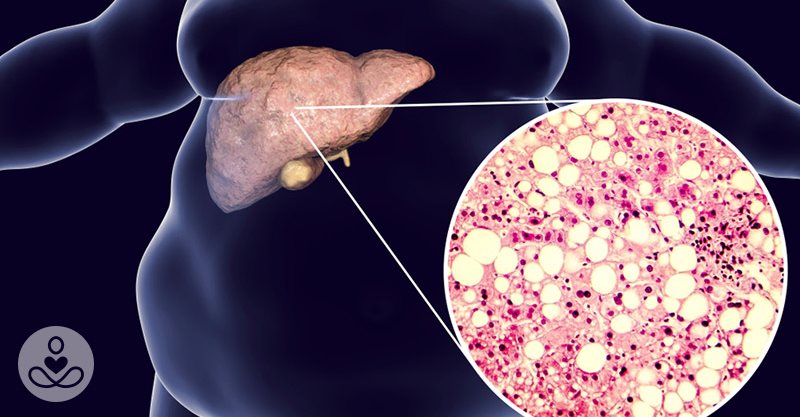
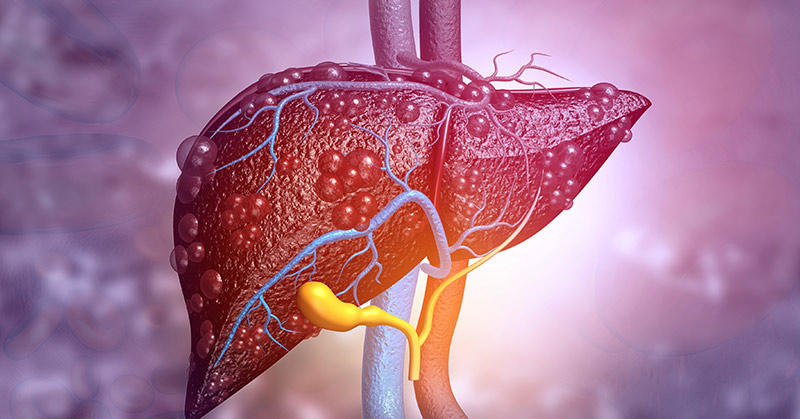
Your liver is one of the most vital organs in the body. Although it often does not get as much attention as the heart or the lungs, the liver performs over five hundred functions. For this reason, it is important that you keep your liver- and more importantly, your liver mitochondria- healthy. New research has found...