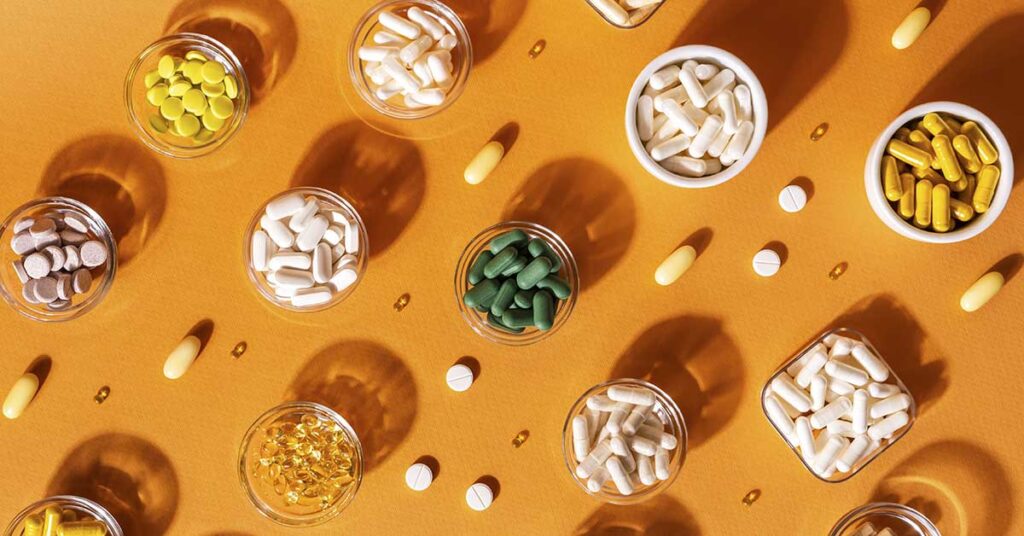
Affiliate Disclaimer: This site contains product affiliate links. We may receive a commission if you make a purchase after clicking on one of these links You don’t need a shelf full of supplements to stay healthy, just the right ones. In 2025, the smartest approach to wellness isn’t chasing trends, it’s about knowing which nutrients actually...
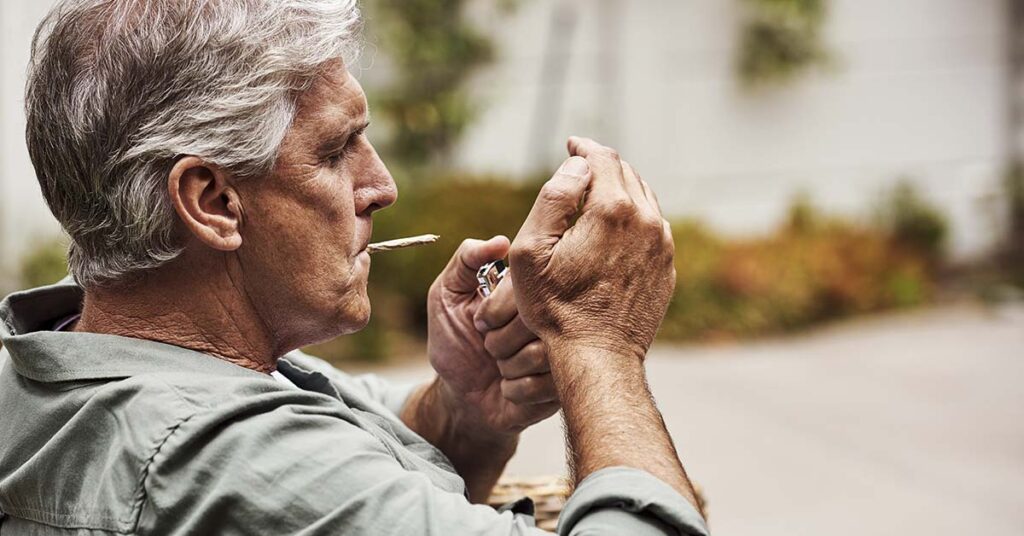
The Trump administration is looking at revisiting the scheduling of marijuana which has sparked debate amongst the public and experts alike. The drug is still illegal at the federal level, but 24 states have legalized it for recreational use, and many more permit medical cannabis. President Trump stated in an interview on August 11th that...
Healthy eating is often seen as bland or boring, but that could not be further from the truth. Many nutritious foods pack just as much flavor as the snacks you love, and they come with benefits that processed treats simply cannot offer. Choosing the right foods can boost your energy, improve mood, and help maintain...
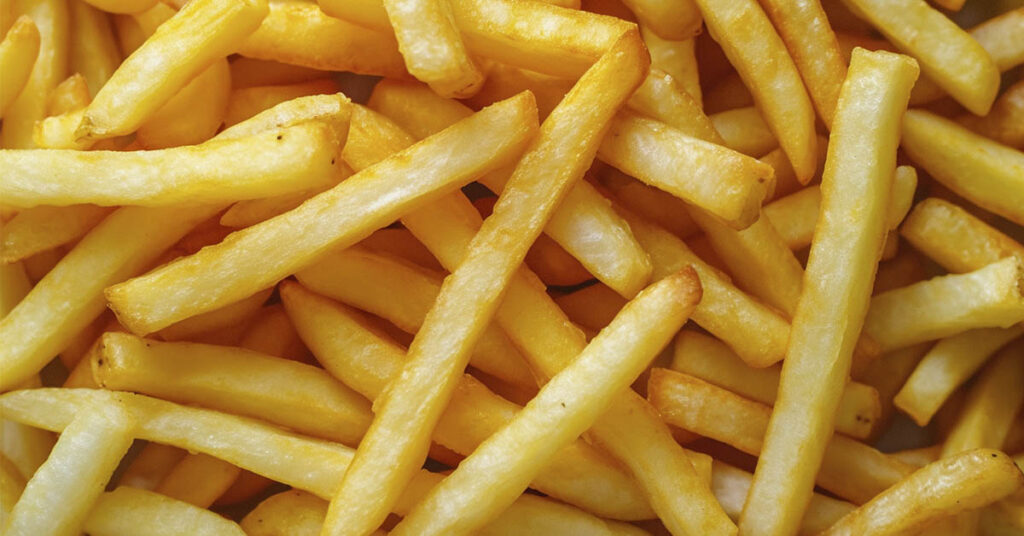
When talking about unhealthy foods, the conversation often gets overly black and white. The truth is, not all unhealthy foods deserve total elimination. Some have nutritional value when eaten sparingly, while others are too processed, sugary, or harmful to justify keeping in your routine. Moderation and awareness are key. Knowing which foods can stay on...
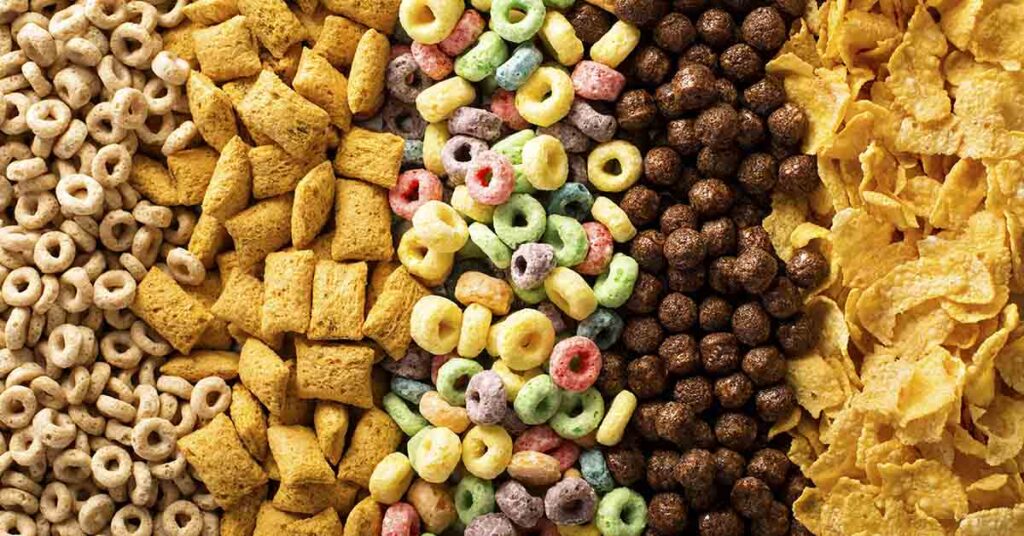
Breakfast cereals have been a morning staple in millions of households across North America and beyond since about the 1940s. Some clever marketing, along with the ease and convenience of just pouring yourself a bowl of cereal, has made cereal the go-to weekday breakfast in many people’s homes. With their colorful packaging and claims of...
The dark web is a scary place. In July 2017, twenty‑year‑old British model Chloe Ayling travelled to Milan believing she was attending a legitimate modelling assignment organised by her agent, Phil Green. The assignment was purportedly for a motorbike photoshoot and arranged after a prior scheduling attempt in Paris was cancelled. As she arrived at...
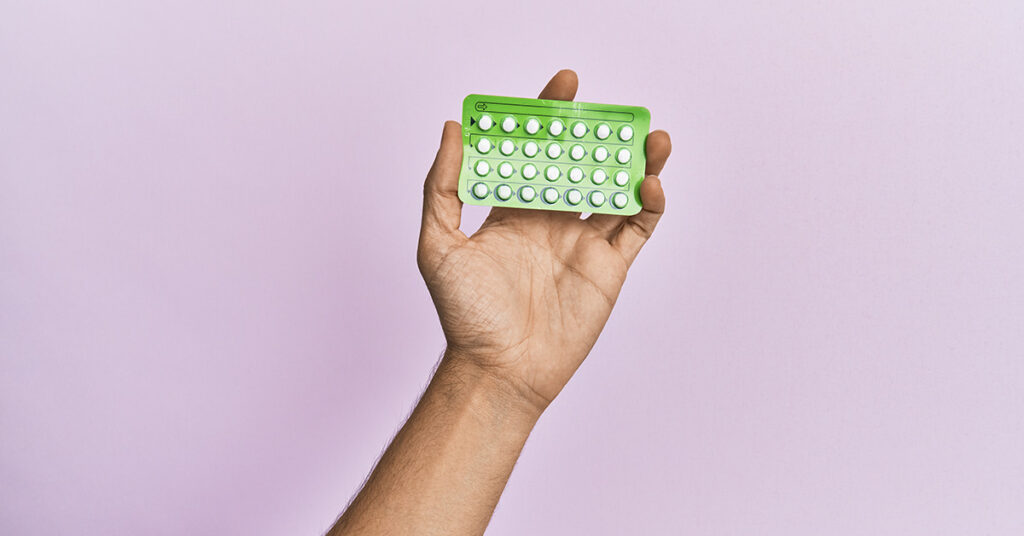
The majority of contraceptive options pertain to women placing the burden and responsibility for pregnancy prevention largely on them. The FDA has approved over 20 different categories of contraceptives for women. Women have access to a variety of reversible options: oral pills, hormonal patches, intrauterine devices, implants, injections, and more. However, some of these contraceptive...
Being social is more important to our well-being than we may have realized. Studies have shown that regular social interaction can lower the risk of developing anxiety and depression. People who socialize often also tend to have lower stress hormone levels and even better immune function. According to recent research, people who are social also...
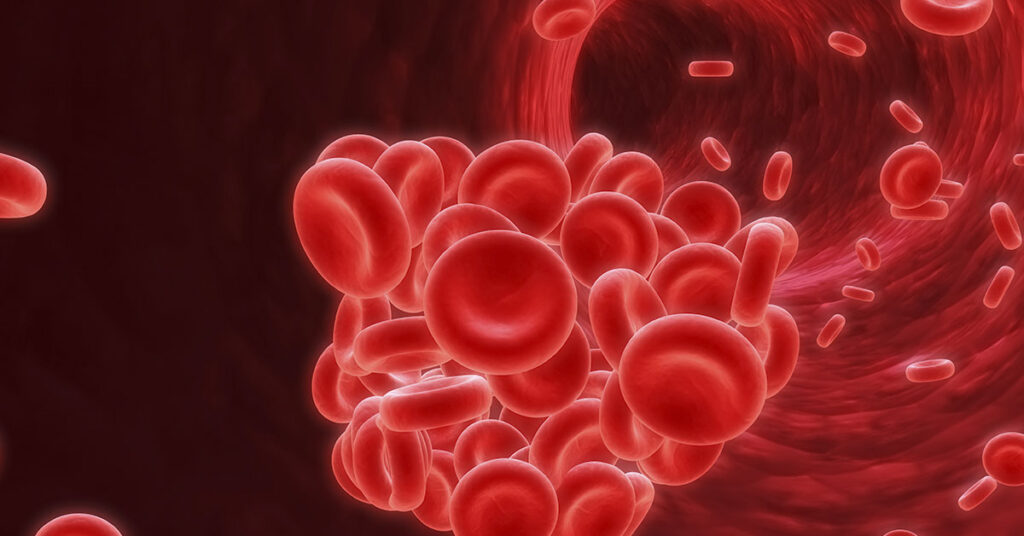
While you may associate blood clots with older or sick individuals, the truth is that they can occur in anyone. That’s right, even young adults can suffer from clotting issues. Your blood clot risk increases if you have certain medical conditions, injuries, are obese, smoke, or drink alcohol excessively. Yet, there is another common habit...
In 2012, Lauren Wasser was a 24-year-old model with a thriving career and a bright future. She was healthy, active, and admired in the fashion world. But what started as an ordinary day quickly turned into a medical emergency that would change her life forever. Lauren believed she had the flu, but what unfolded next...
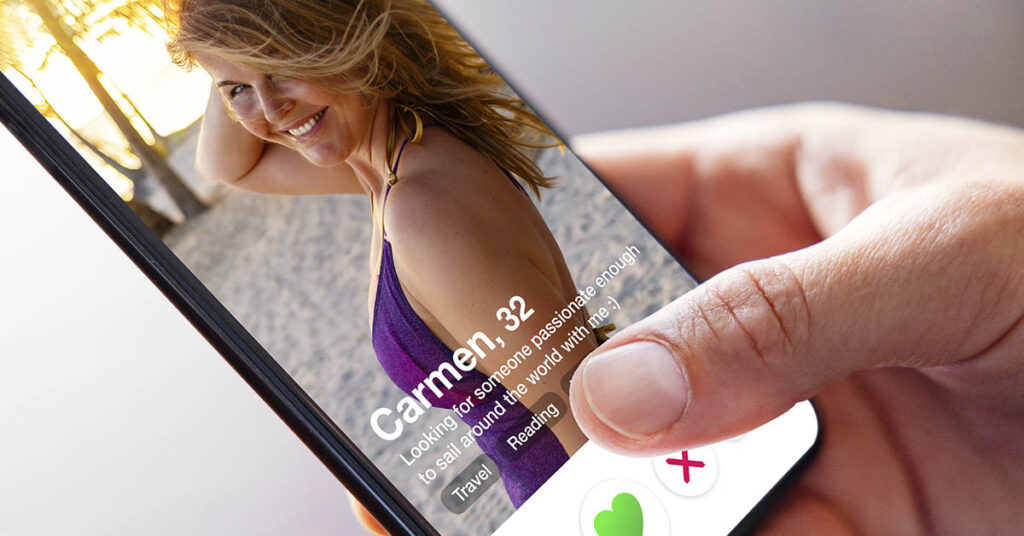
Online dating can feel like a maze of frustration for many people. Being rejected on Tinder is a common experience, where some users find love quickly while others feel like they’re shouting into a void, which can be damaging for someone’s confidence. For countless men, that void takes the form of Tinder. It’s a place...
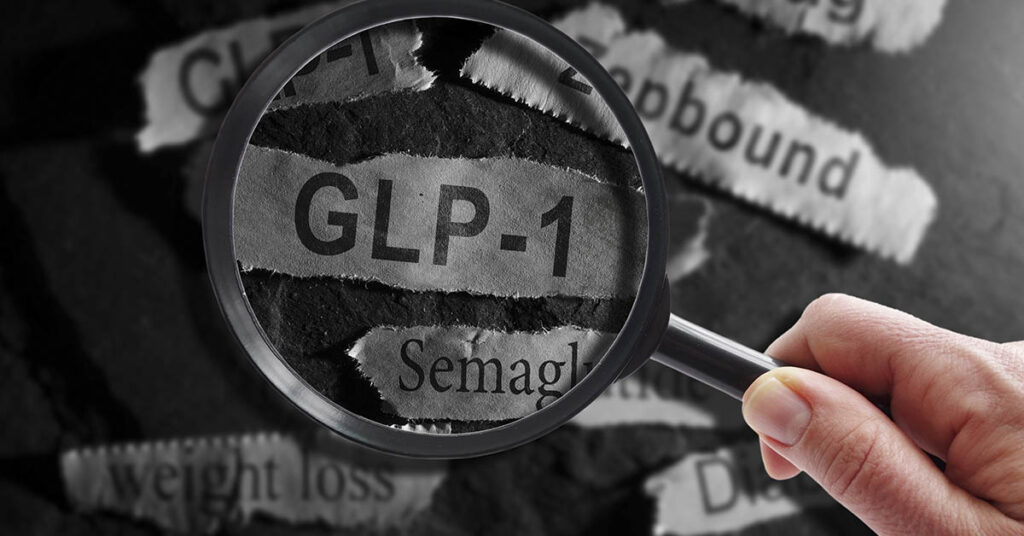
You’ve probably heard the buzz around Ozempic, Wegovy, and other weight-loss and diabetes medications, but what’s really behind their success? The answer lies in GLP-1. Glucagon-like peptide-1 (GLP-1) is a crucial hormone in regulating blood sugar, appetite, and weight. It is at the center of a new wave of pharmacological and lifestyle interventions for conditions...