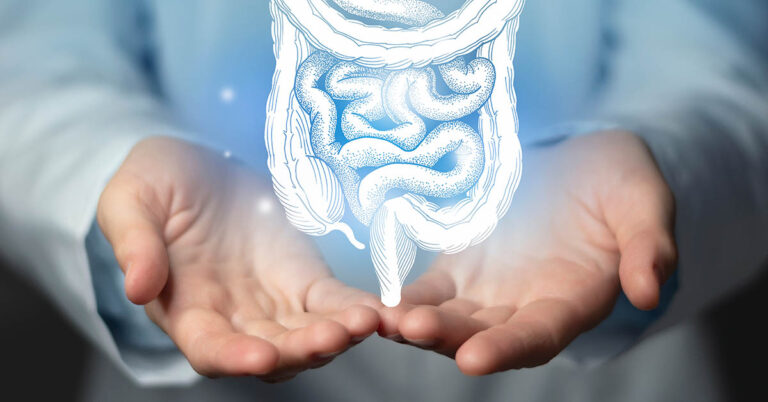
If you’ve ever felt the sudden urge to head to the bathroom right after eating, you’re not alone. This phenomenon is more common than you might think, and it’s called the gastrocolic reflex. Dr. Joseph Salhab recently explained this process, which isn’t caused by food moving instantly through your digestive system but by signals sent...
First Red Heifer in 2,000 Years Fulfills Biblical Prophecy and Signals ‘End of Days’ When discussing biblical prophecy and the concept of the “end of days,” few topics resonate as deeply as the red heifer. This rare event is not just a biological phenomenon but is loaded with theological and eschatological significance. This article explores...
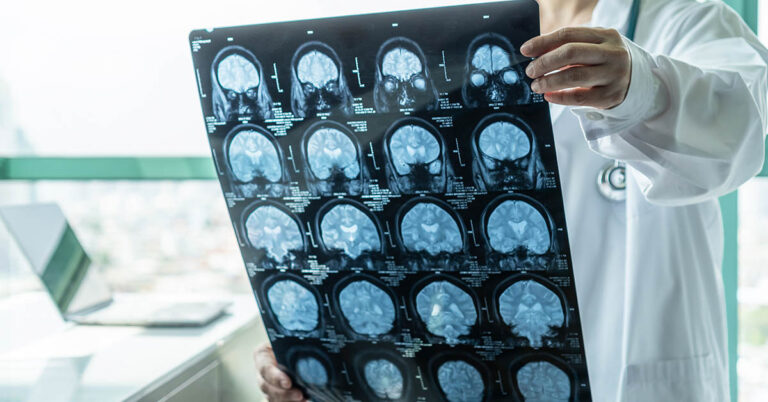
Many of us know the importance of keeping our bodies active, but few realize the profound connection between muscle movement and brain health. According to Dr. Kim Johnson Hatchett, a neurologist, the scariest thing she regularly observes is how neglecting physical activity, particularly strength training, impacts the brain in alarming ways. Let’s explore what she...
Our daily habits significantly impact the health of our brains, shaping everything from memory to cognitive function. According to Dr. Uma Naidoo, a Harvard brain expert, certain common behaviors can be incredibly destructive to brain health over time. Recognizing and avoiding these habits can protect your brain and enhance mental clarity, focus, and overall well-being....
Inflammation is a natural response that helps protect your body, but when it becomes chronic, it can lead to serious health conditions like diabetes, cancer, and heart disease. Chronic inflammation can even affect your brain, increasing the risk of depression and other mental health issues. According to Dr. Jacqueline Wolf, a gastroenterologist and Harvard professor...
More than two decades after the tragic events of September 11, 2001, a man has released never-before-seen footage of the Twin Towers’ collapse. Captured from a new angle, this footage adds another layer of understanding to one of the most devastating moments in modern history. Kei Sugimoto, the man behind the camera, recently shared this footage, which...
Burger King, a prominent name in the fast-food industry, is in the spotlight for its audacious decision to shut down a considerable number of its U.S. outlets. This strategic action is driven by both internal considerations and external market dynamics, prompting the fast-food behemoth to reassess its operational framework. By examining the forces behind this...
Despite advancements in science and medicine, many medical myths continue to persist, even in the face of evidence proving them false. From beliefs passed down through generations to popular misconceptions reinforced by the media, these myths can have significant consequences on our health. Let’s explore a few common medical myths that continue to thrive, and...
When it comes to preventing dementia, the foods you choose to include or avoid in your diet can play a significant role. Experts from Rush University Medical Center have developed a diet plan that incorporates principles from the Mediterranean and DASH (Dietary Approaches to Stop Hypertension) diets, both known for their brain-boosting benefits.1 This article...
As we embark on a new year, many of us take the opportunity to reorganize our kitchens, especially the array of cooking oils we keep. Amidst the clutter, it’s crucial to identify which oils truly support brain health and which might inadvertently elevate health risks. Recent studies have revealed that certain oils, often labeled as...
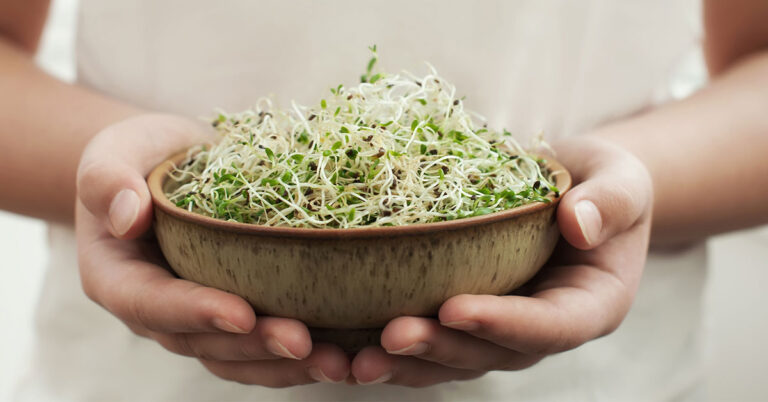
Superfoods are often celebrated for their extraordinary nutritional benefits, yet many of the most powerful options are overlooked or underused. Incorporating these nutrient-packed foods into your daily diet can significantly enhance your overall health. Here, we explore 13 underused superfoods that deserve a place in your kitchen. 1. Alfalfa Sprouts Alfalfa sprouts are small but...
Colon cancer is often considered a disease that primarily affects older adults, but recent trends show a disturbing rise in cases among younger people. The story of Raquel A., who was diagnosed with stage four colon cancer at just 32, highlights the importance of recognizing early symptoms, no matter your age. Raquel shares her experience...