Vacuum sealing is a popular method for preserving food, extending its shelf life by removing air, and preventing spoilage. However, not all foods are suitable for vacuum sealing. Some foods can develop harmful bacteria or spoil faster when vacuum sealed. Here are seven foods for which you should avoid vacuum sealing. 1. Raw Mushrooms Raw...
Parkinson’s disease, a neural condition affecting the nervous system and causing movement issues, has been on the rise globally. In a concerning development, scientists have found a potential link between Parkinson’s disease and a widely used chemical called trichloroethylene (TCE).1 TCE is useful for various purposes, including decaffeinating coffee, degreasing metal, and dry cleaning clothes....
When it comes to interactions with law enforcement officers during a traffic stop, there’s a question that you should never answer without careful consideration. The question, “Do you know why I pulled you over?” might seem innocuous at first, but according to legal expert @tiktokstreetlawyer, it’s a question that drivers should approach with caution. The...
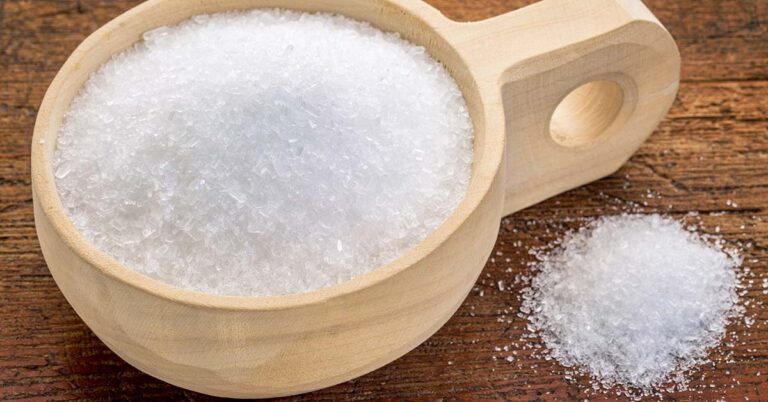
Epsom salt, known for its wide range of uses, is a staple that every home should have. From health benefits to household uses, this salt can enhance your life in many ways. Here are 16 reasons why you should keep this multifaceted item in your home. 1. Alleviate Body Aches Epsom salt is renowned for...
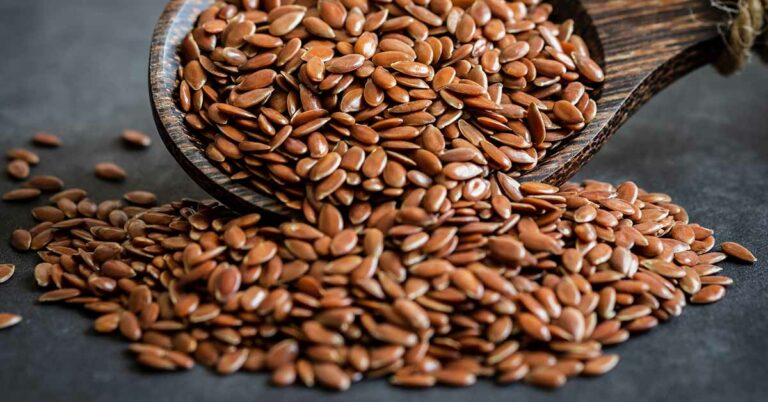
Seeds may be tiny, but they pack a mighty nutritional punch that can significantly enhance your diet. Incorporating a variety of seeds into your meals can provide you with a substantial dose of healthy fats, protein, and various micronutrients. Here are 11 seeds you should consider adding to your diet for their health benefits. 1....
A viral video from oculoplastic surgeon Dr. Kami Parsa has revealed startling results from an MRI scan of a 33-year-old woman’s face. The scan exposed how dermal fillers, intended to enhance facial contours, had migrated and doubled over several years, leading to widespread shock and concern among viewers.1 The Viral MRI Revelation Dr. Kami Parsa,...
Concrete, the most commonly used building material in the world, could soon power our homes. Researchers from the Massachusetts Institute of Technology (MIT) have developed a type of cement that functions as a supercapacitor, storing and releasing electrical energy. This innovation promises to revolutionize energy storage and distribution, making homes and other structures not only...
Electric vehicles (EVs) have long been heralded as the future of sustainable transportation, but battery efficiency, particularly in extreme weather, has posed significant challenges. A groundbreaking innovation by Chinese startup Greater Bay Technology aims to revolutionize this landscape with its new Phoenix cell battery, which promises a range of 621 miles and the ability to...
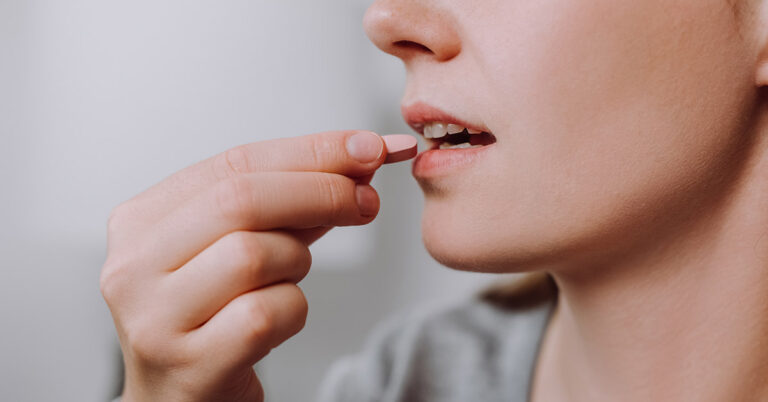
Supporting kidney health is crucial for maintaining overall well-being. Supplements can provide essential nutrients that enhance kidney function and reduce the risk of deficiencies, particularly for people with kidney disease. Below are eight supplements that may support kidney health, along with a discussion of their benefits and risks. 1. Vitamin D Vitamin D is vital...
Myelofibrosis (MF) is a rare type of blood cancer that affects the bone marrow, leading to scarring and disruption in the production of blood cells. Understanding the symptoms of this condition is crucial for early diagnosis and treatment. Here are 12 symptoms that could indicate myelofibrosis. 1. Fatigue One of the most common symptoms of...
Reforestation is a critical component of global climate strategies, aiming to restore ecosystems and sequester carbon. Yet, traditional tree-planting methods are often labor-intensive and slow, unable to meet the pressing demands of our environmental crisis. Enter high-tech drones, which are revolutionizing reforestation efforts by making them faster, more efficient, and scalable. This article delves into...
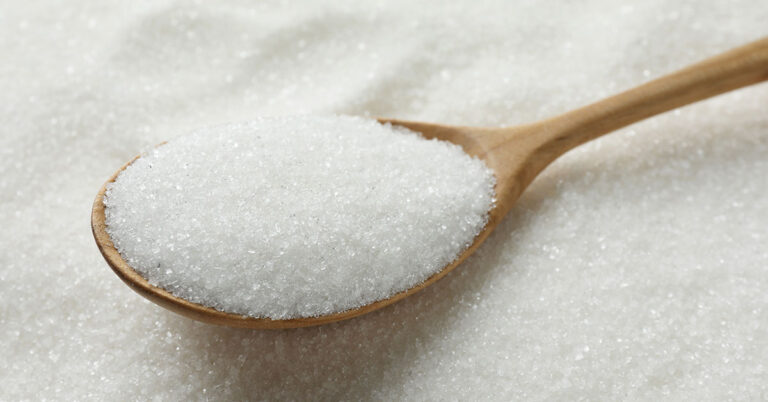
Eliminating sugar from your diet can have a transformative effect on your health. From managing weight to improving heart health, the benefits are numerous. Here are ten things that happen when you stop eating sugar. 1. Helps Manage Weight Cutting out added sugars can significantly aid in weight management. Added sugars are high in calories...