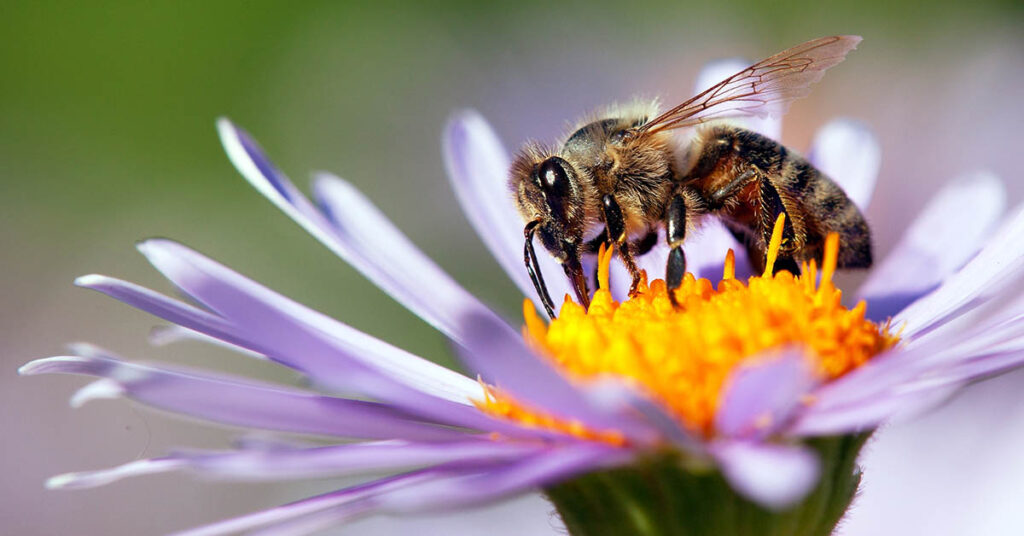
Honeybees are not only vital pollinators but also possess an incredible sense of smell, which researchers are now harnessing in groundbreaking ways. Recent studies have demonstrated that these tiny insects can detect lung cancer in humans with remarkable accuracy. This innovative approach could potentially revolutionize cancer screening and early detection. The Study Researchers at Michigan...
Gin, a flavored spirit sourced mainly from juniper berries, holds a unique place in the world of alcohol. While it’s important to note that alcohol, in general, should be consumed in moderation and is not a healthy food, gin offers some interesting potential benefits when compared to other spirits. Here are seven ways gin might...
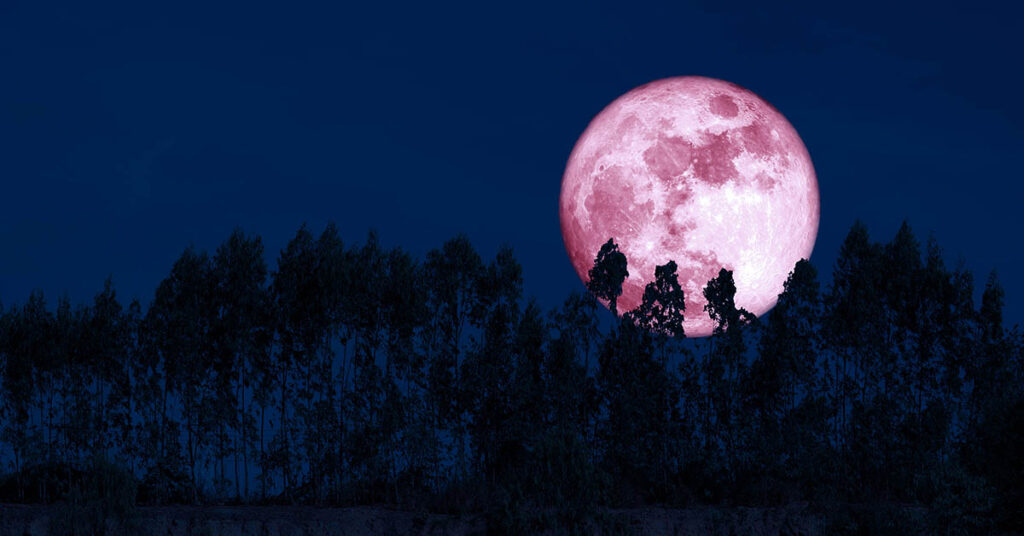
A stunning Strawberry Moon is set to glow a golden hue when it fills the night sky on Friday. Marking the first full moon of the summer season. The celestial event, named for the strawberry season with berries ripe for the picking around this time in the United States, promises a visual spectacle for skywatchers....
Recent studies have raised concerns about the potential negative impacts of alcohol-based mouthwash on the oral microbiome and its possible link to an increased risk of certain cancers. Let’s explore the findings of recent research, discuss how alcohol-based mouthwashes may alter the balance of oral bacteria, and the implications for oral and overall health. The...
Dementia, characterized by symptoms such as memory loss, cognitive impairment, and psychological changes, affects over 55 million people worldwide, with about 10 million new cases each year.1 Maintaining brain health is crucial to prevent the onset of dementia. Experts have identified several strategies that can help keep your mind sharp as you age. Here are...
Recent findings from a study on a centuries-old mummified infant have highlighted the critical importance of sunlight for human health. The study, published in Frontiers in Medicine, offers insights into how severe vitamin D deficiency can lead to fatal health outcomes. Let’s explore the study’s findings, the role of sunlight in health, how a lack...
Recent studies have suggested that certain over-the-counter (OTC) medications, particularly proton pump inhibitors (PPIs) – a type of heartburn medicine – may be linked to an increased risk of dementia. Here’s what we know so far: What Are Proton Pump Inhibitors (PPIs)? Proton pump inhibitors (PPIs) are widely prescribed for the treatment and prevention of...
Whether traveling light with just a backpack or indulging in the luxuries of a five-star hotel, all travel experiences have a profound impact on one’s health. One of these benefits of traveling is delivering a significant boost in endorphins. For some, the joy derived from travel can surpass that of life’s milestone events, such as...
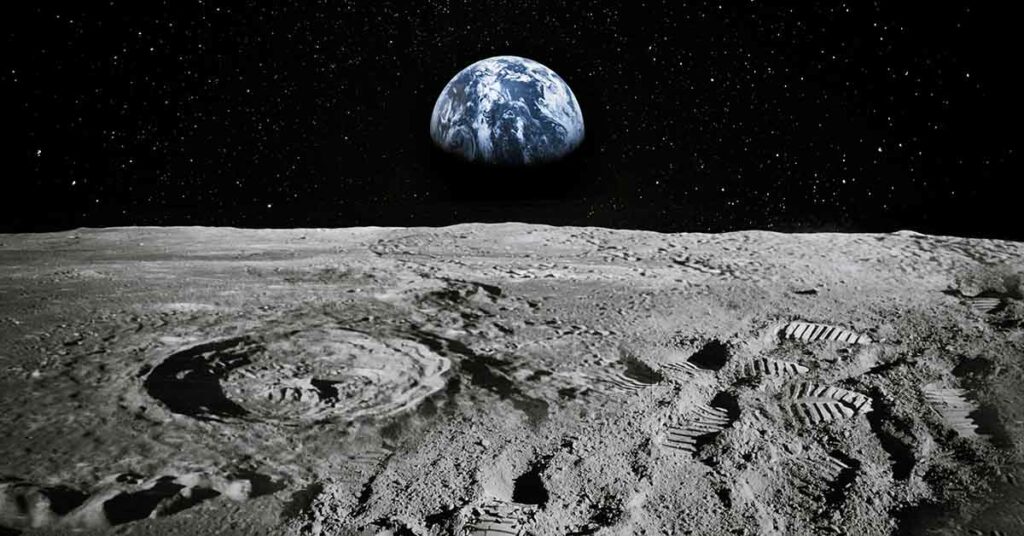
Our space neighbor the Moon is drifting away from us at about 1.5 inches (3.8 centimeters) per year. This gradual slippage is significant, has been meticulously measured and studied, and has substantial implications for life on Earth. Although it may not affect us immediately, the Moon’s departure brings noteworthy changes to our planet’s environment and...
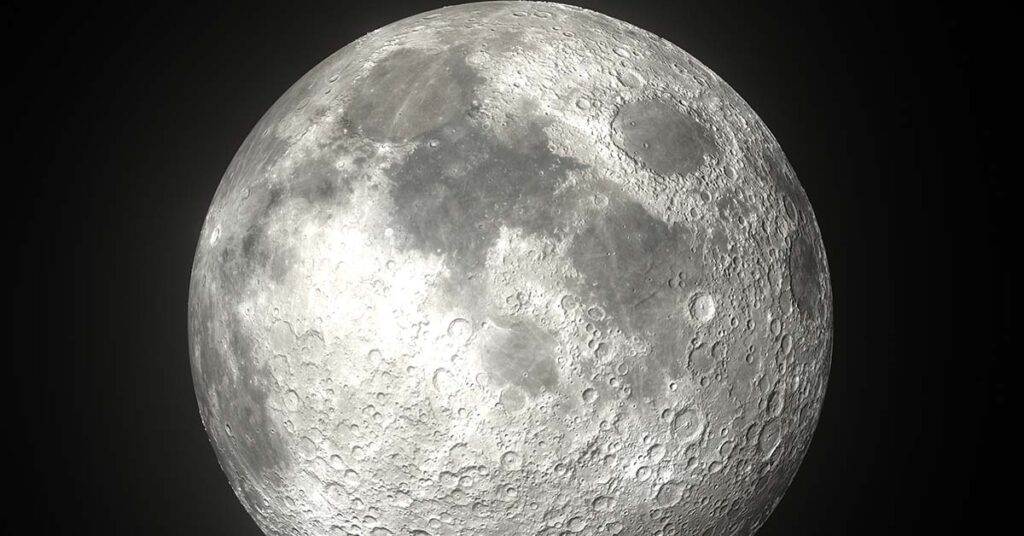
The Moon has been a source of wonder and mystery for centuries. Even with numerous missions and extensive research, many of its secrets remain hidden beneath its surface. Recent discoveries by China’s Chang’e-4 mission have shed light on previously hidden structures on the far side of the Moon, revealing billions of years of geological history...
A plant that remains controversial in many parts of the world could be the secret to saving the bee population. The plant in question is the marijuana plant. It turns out, bees and cannabis go together like, well, bees and honey. (1) Bees and Cannabis: How The Marijuana Plant May Help The Bee Population Bees...
The future of humanity is a topic of endless speculation and discussion. From apocalyptic movies to scientific predictions, we are constantly reminded of our planet’s fragile nature. Recently, a supercomputer model has projected a future scenario where all mammals, including humans, could face extinction roughly 250 million years from now. We explore the implications of...