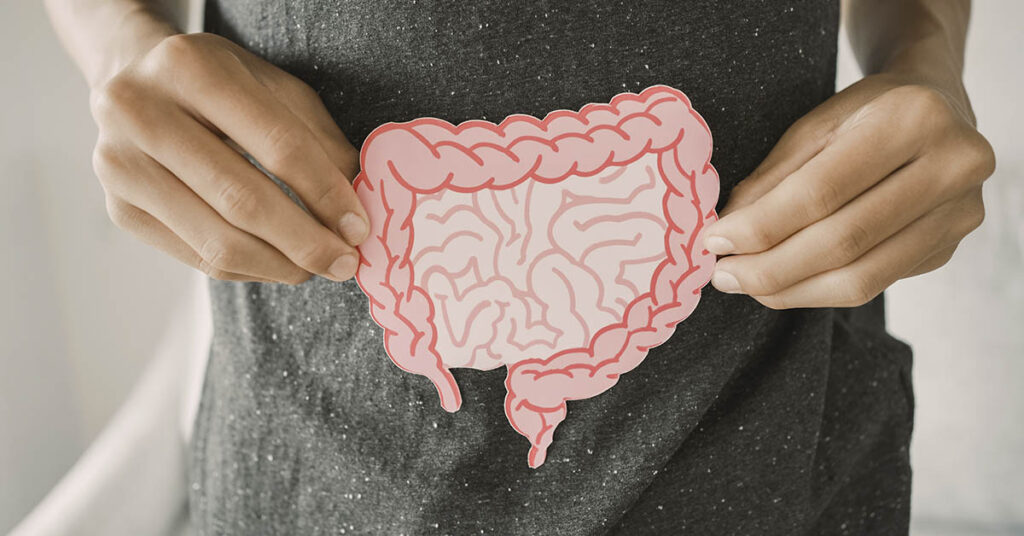
The liver is the biggest solid organ in the human body. It helps to maintain healthy blood sugar levels, regulates blood clotting, and most importantly, removes toxins from your blood. It is an essential organ that performs more than 500 vital bodily functions; therefore, maintaining a healthy liver is very important. The liver is also...
Apples are universally healthy but they are not equal. Most people are familiar with types like Pink Lady, Gala, Granny Smith, etc. However, there are over 7,500 varieties of apples grown all over the world, according to WSU Tree Fruit. Casual eaters and aficionados alike can differentiate between types and decide on their favorites. Food...
Alzheimer’s disease is a progressive neurodegenerative disorder and the most prevalent form of dementia globally. It affects daily life, adversely hindering memory, cognition, and altering behavior. Alzheimer’s cases are suspected to double in prevalence by 2060, largely due to preventable and modifiable lifestyle factors. Making dietary changes, including what we drink every day, could possibly...
It’s vital to look after our mental and physical health, and this is especially true as we age. The way we live our lives today determines whether we develop certain conditions and diseases later in life, such as dementia, strokes, and depression. In fact, according to extensive research, there are 17 factors that contribute to...
About one in eight Americans have taken GLP-1 treatments like Ozempic, making it one of the fastest-growing medical trends in recent years. This powerful compound has rapidly transformed from a diabetes solution to a weight management phenomenon that dominates headlines and social media feeds. Furthermore, research continues to uncover exactly how Ozempic works to create such dramatic...
The liver is a vital organ that is crucial for critical metabolic functions within the body. It is crucial in aiding digestion, detoxification, nutrient storage and regulates cholesterol levels. When it comes to the worst drinks for your liver, most people immediately think of alcohol, but recent research indicates that seemingly innocent beverages might be...
Gut health is crucial for digestion, immunity, and overall well-being. The foods you consume daily can either support or harm your gut microbiome. Your gut houses trillions of bacteria that play essential roles in nutrient absorption, hormone regulation, and mental health. Unfortunately, many common foods can disrupt this delicate balance without us even realizing it....
Heart failure is a serious condition that affects millions worldwide. While some symptoms are well-known, others are often overlooked, leading to delayed diagnosis and treatment. Recognizing all the signs is crucial for early intervention and better health outcomes. Understanding Heart Failure Heart failure occurs when the heart cannot pump blood effectively, leading to insufficient blood...
Coronary heart disease stands as one of the world’s leading causes of death, accounting for a staggering 13% of all global fatalities according to the World Health Organization (WHO). The WHO has reported a concerning increase in cases since 2000, rising from an estimated 2.7 million deaths to nearly 9.7 million globally. This trend highlights...
If you’re trying to manage your appetite or shed a few pounds, satiating foods can be a total game-changer. These are the kinds of meals and snacks that leave you feeling full and satisfied—not deprived and cranky. Instead of cutting calories until you’re miserable, the key is choosing foods that offer volume, fiber, protein, and...
Everything you eat has either a positive or negative effect on your health. While it is okay to indulge sometimes and enjoy your life, if we’re being honest, most of us indulge more often than we should. What’s more, there are plenty of foods that we are eating that we think are healthy that actually...
Attention-Deficit/Hyperactivity Disorder (ADHD) affects millions of children, approximately 5% of children globally. It presents itself with persistent symptoms of attention deficits, impulsivity, and hyperactivity. While medication and behavioral therapies remain the primary forms of treatment, many parents and clinicians seek natural, dietary and supportive strategies to help children manage symptoms more effectively. Among these, medical...