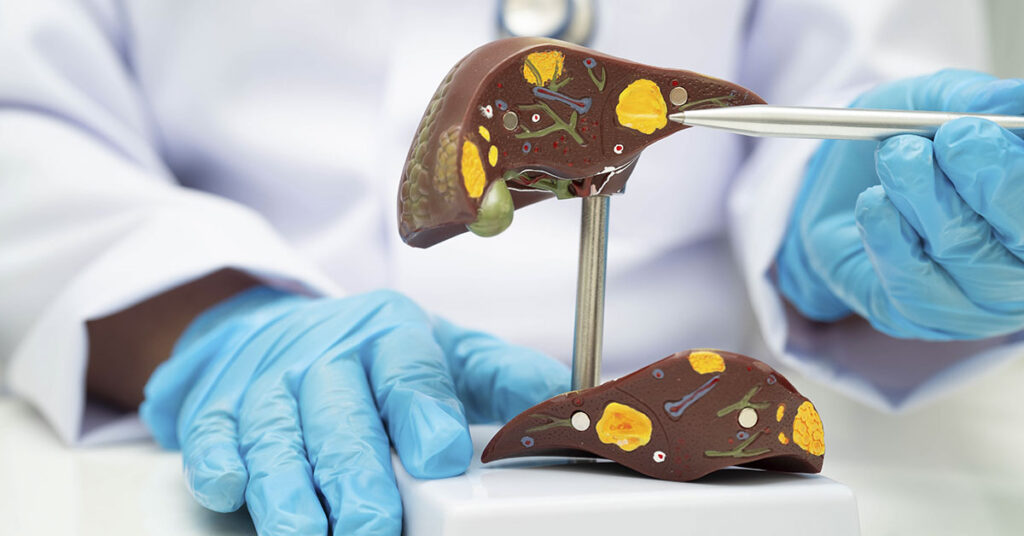
Non-alcoholic fatty liver disease, which is now known as Metabolic Dysfunction-Associated Liver Disease (MASLD), is caused when excessive amounts of fat accumulate in the liver. This often happens as a result of certain metabolic issues, such as high blood sugar, obesity, high blood pressure, and high cholesterol. The condition can range from simple fatty infiltration...
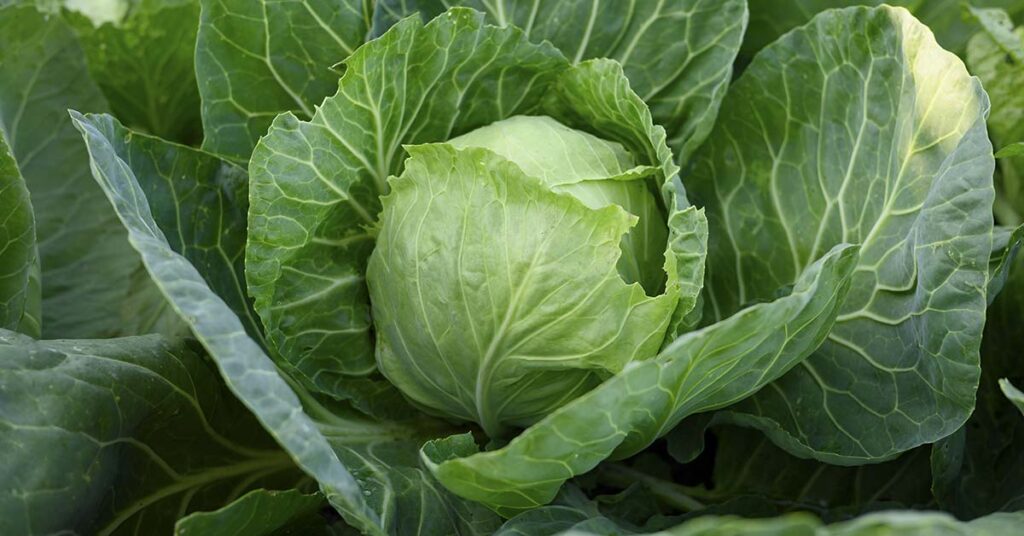
Cabbage is a widely consumed vegetable crop, known for its dense-leaved heads. It’s characterized as a leafy green, red, or purple biennial plant grown as an annual vegetable crop. It belongs to the Brassica oleracea species, making it a close relative of broccoli, Brussels sprouts, cauliflower, and kale. Cabbage has been cultivated for thousands of...
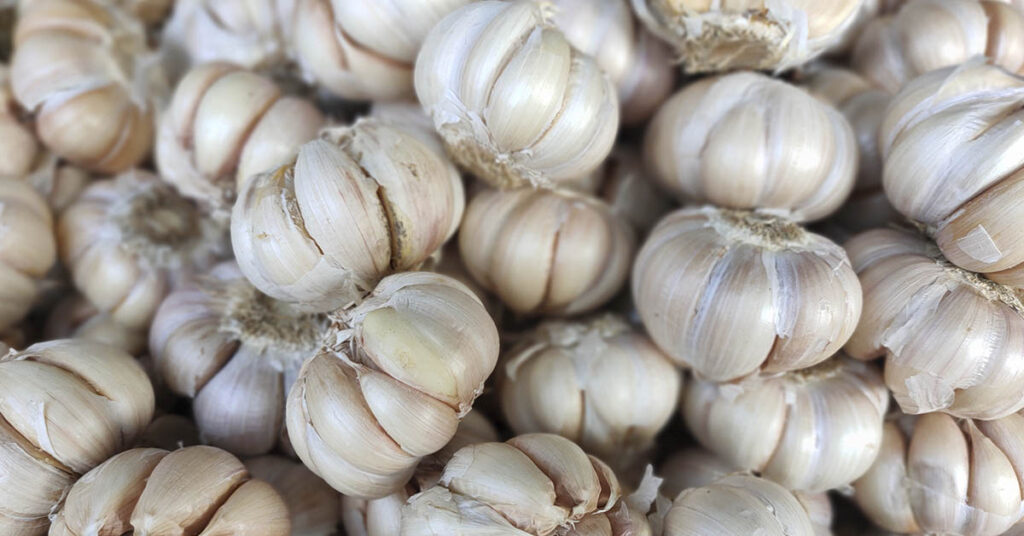
Garlic is a bulbous vegetable known for its robust and strong flavor. It has been used for centuries in culinary practices and in traditional medicine to treat several ailments and diseases. In modern medical applications, it is still extensively researched and used for its anti-inflammatory and antioxidant properties. Garlic has long been recognized for its...
If you’ve ever cooked shrimp, you might have noticed a black vein in shrimp running along its back. This so-called “black vein” often causes confusion and even disgust for many home cooks. Some people wonder if it’s harmful or simply something that should be removed for better taste. In reality, the black vein is just...
Caffeine aficionados may be familiar with coffee cherries. These are the fruits of coffee trees that look like ruby red grapes when ripe. Inside them are two bluish-green coffee beans. Once extracted and roasted, the beans are ready to be ground and turned into a morning cup of joe. The fruit is typically discarded, but...
Dementia refers to a class of neurodegenerative illnesses that adversely affect cognitive abilities such as focus, memory, reasoning and personality. It leads to cognitive decline in affected individuals. Dementia risk is becoming increasingly common. The WHO estimates that those affected by dementia-related illnesses will triple from 50 million to 152 million by the year 2025....
A German study has recently revealed 5 midlife health risks that could cut a decade off your lifespan. Recently presented at the American College of Cardiology Scientific Session, the study identified obesity, diabetes, high cholesterol, smoking, and high blood pressure as the risk factors. Collectively, these factors account for an astounding 50% of all cardiovascular...
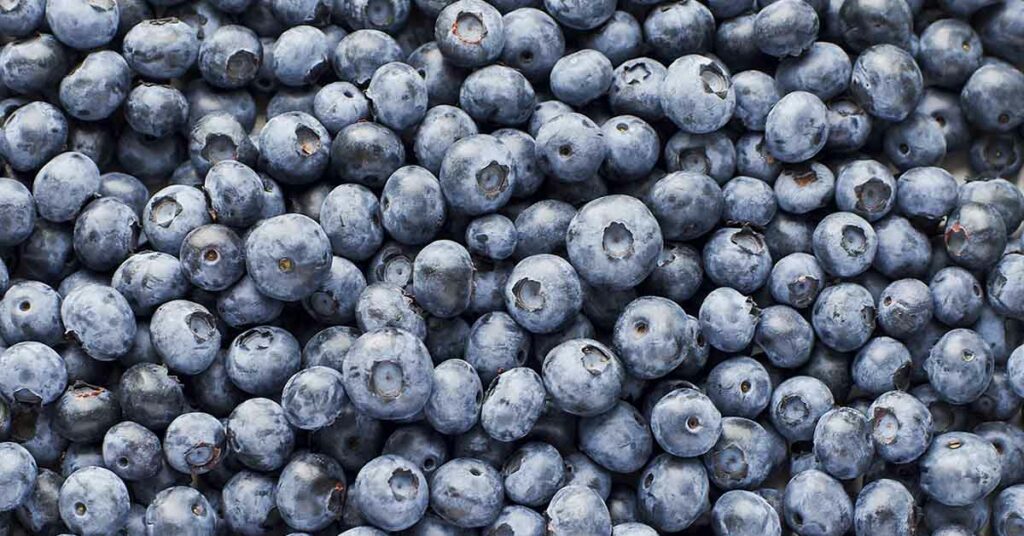
Blueberries have for a long time now been touted as a “superfood”, meaning that they are packed with powerful, disease-fighting nutrients. There is no doubt that this small fruit is seriously good for you – but what would happen if you ate blueberries every single day? Here are six things you can expect to happen...
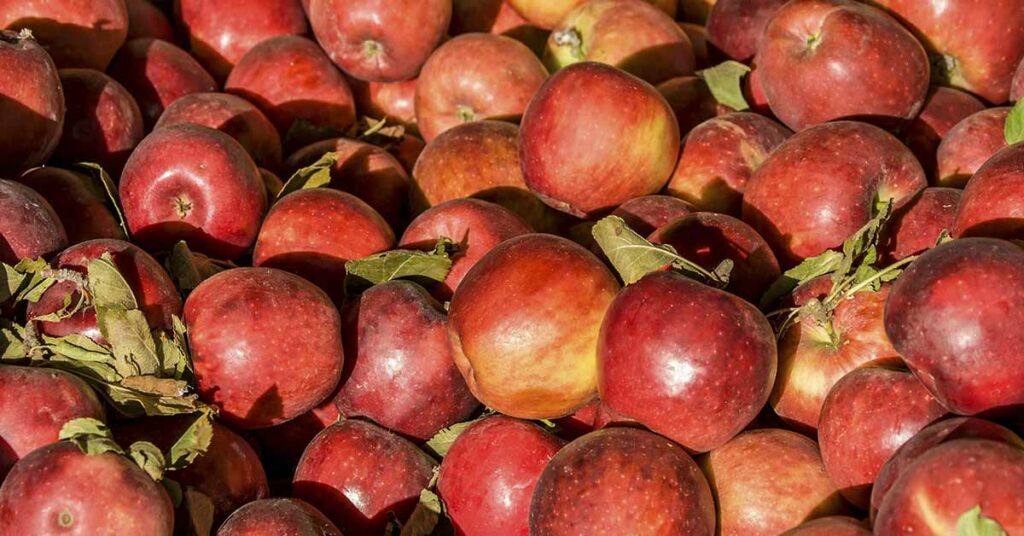
Apples are universally healthy but they are not equal. Most people are familiar with types like Pink Lady, Gala, Granny Smith, etc. However, there are over 7,500 varieties of apples grown all over the world, according to WSU Tree Fruit. Casual eaters and aficionados alike can differentiate between types and decide on their favorites. Food...
It’s vital to look after our mental and physical health, and this is especially true as we age. The way we live our lives today determines whether we develop certain conditions and diseases later in life, such as dementia, strokes, and depression. In fact, according to extensive research, there are 17 factors that contribute to...
The liver is a vital organ that is crucial for critical metabolic functions within the body. It is crucial in aiding digestion, detoxification, nutrient storage and regulates cholesterol levels. When it comes to the worst drinks for your liver, most people immediately think of alcohol, but recent research indicates that seemingly innocent beverages might be...
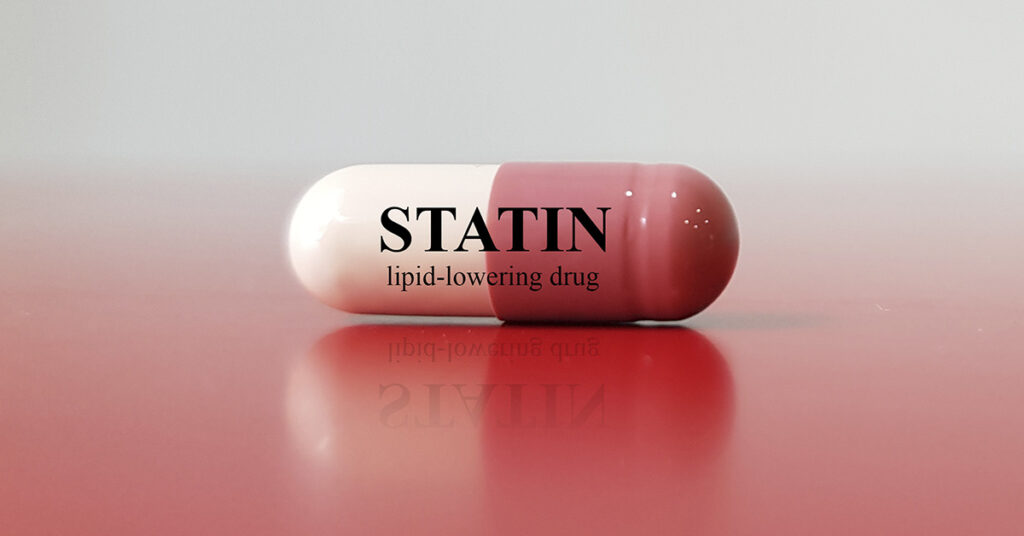
In recent years, there has been debate in the scientific community as to whether or not statins, a common medication to lower cholesterol, increases risk of dementia. Some research shows that yes, it does. Other research finds it may actually have a protective effect. The evidence and therefore the media tend to swing back and...