
This site contains product affiliate links. We may receive a commission if you make a purchase after clicking on one of these links
Urinary Tract Infections (UTIs) are incredibly common, yet they remain one of the most uncomfortable and frustrating health issues women face, whether you are dealing with a sudden onset or looking for ways to support your urinary health naturally. Understanding the“why” and “how” of these infections is the first step toward relief.
What Causes a UTI in Women?
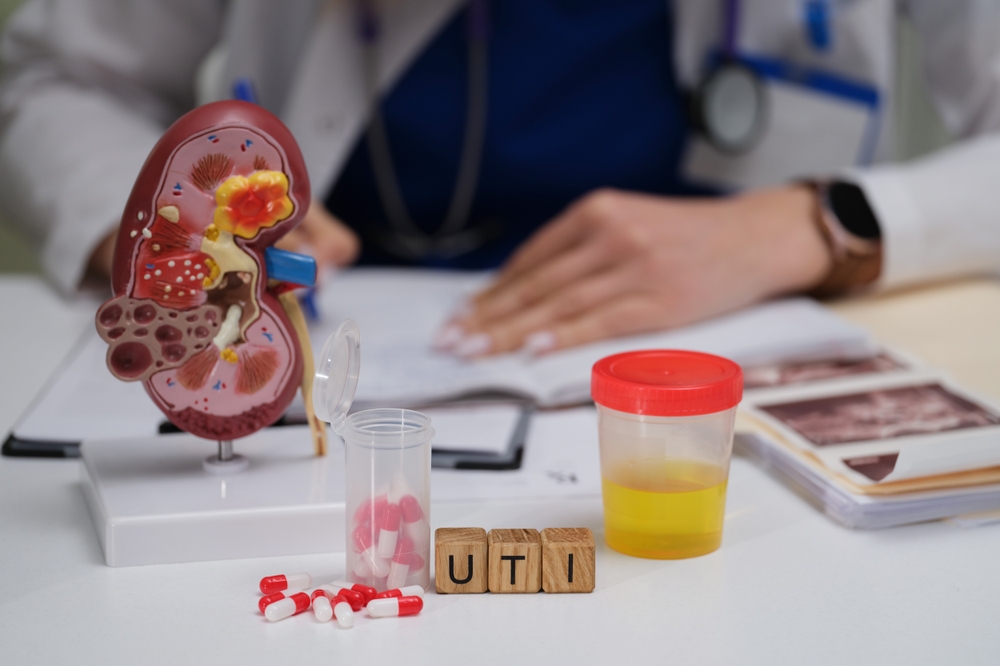
Though UTIs aren’t purely a female problem, women are anatomically more prone to UTIs than men. This is primarily because the female urethra (where urine exits the body) is shorter and closer to the rectum, making it easier for bacteria to travel to the bladder. The vast majority (about 80-90%) of UTIs are caused by Escherichia coli (E. Coli), a type of bacteria commonly found in the gastrointestinal tract.
At its core, a UTI is an “invasion” of the urinary system, aka bacterial entry into the urethra. You might get a “sudden” UTI if you’ve recently changed your hygiene routine, had a period of high sugar intake, or even switched to a new soap that had irritated the area.
Babies and Pregnancy

Yes, babies can get UTIs – it’s actually more common than you think. This is because of babies’ underdeveloped immune systems. You’ll know a baby has a UTI if they have unexplained fever, extreme irritability, or foul-smelling urine in their diaper. This requires immediate pediatric attention. In pregnancy, the symptoms are often the same as standard symptoms, but some women also experience pressure in the lower pelvis or back pain.
Can Foods Cause a UTI?
No, food doesn’t ‘cause’ the infection directly. Sugar and alcohol, however, can feed bacteria and irritate the bladder, making an infection more likely to take hold. Spicy foods and caffeine can also aggravate the bladder lining during an active infection. So while foods may not cause a UTI, someone with issues around chronic UTIs may wish to adjust or monitor their diet and habits to minimize unintentional bacterial support.
8 Most Common Causes of UTIs
Of course, just because bacteria are present in the digestive tract doesn’t automatically mean you will get a UTI. The bacteria first must travel to the urinary tract. There are eight most common reasons as to how this happens, though these are not the only reasons one might develop a UTI.
- Sexual activity: Sexual activity can introduce bacteria into the urinary tract. This is less likely to happen when using condoms.
- Improper wiping: Wiping back-to-front can move bacteria toward the urethra. That being said, this doesn’t actually increase your chances of developing a UTI as much as we may sometimes read online.
- Dehydration: Lack of fluids prevents the body from “flushing” the system.
- Holding in urine: Staying full for too long allows bacteria to multiply.
- Birth control: Certain types of birth control, such as diaphragms or spermicides, can increase risk.
- Kidney stones: These can block the urinary tract and trap bacteria.
- Menopause: Changes in estrogen levels affect the bacterial balance in the vagina.
- Weakened immune system: Conditions like diabetes can make it harder to fight an infection.
While every UTI has a primary cause, it is often the case that more than one factor led to its development. For example, you and your partner were out at a party, you hadn’t drunk enough water and were dehydrated, you came home and had intercourse, and you didn’t urinate immediately after, therefore giving the bacteria time to fester. It is also important to note that, in the case of chronic UTIs, both the male and female partners should be evaluated by a urologist. This is because sometimes it can be something on the man’s side that is triggering the constant problem.
Why did I get a UTI out of nowhere?
It often feels sudden, but generally, it isn’t. UTIs often develop when your body’s natural defenses are slightly lowered. This could be due to stress, a change in your diet, or even wearing tight, non-breathable clothing. Many men find themselves asking the question how did my wife get a UTI? IT is important to note that UTIs are not sexually transmitted infections (STIs), though, as already mentioned, sex can trigger them. Women may develop a UTI due to any of the reasons and lifestyle factors already mentioned above, or simply due to anatomical susceptibility.
Will a UTI Go Away on Its Own?
In very mild cases, the body can sometimes fight off the bacteria. This, however, is incredibly risky without proper monitoring. Your body’s immune system is capable of fighting off minor colonization of bacteria. However, once a full-blown infection takes hold, it almost always requires a medical intervention. If a UTI is going to resolve on its own, it typically takes 3 to 7 days of heavy hydration and natural support. If symptoms persist longer than two days, you should see a doctor immediately. This is because if the UTI hasn’t eased after two days without antibiotics, the infection has already taken hold and must be treated medically.
Symptoms of UTIs

Every woman should understand the symptoms of UTIs so that they can get a jump on treating them as soon as possible. The earlier you start treatment, the faster it goes away and the less likely you are to have complications. The classic symptoms of a UTI are as follows:
- A strong, persistent urge to urinate.
- A burning sensation when urinating.
- Passing frequent, small amounts of urine that is often cloudy and strong-smelling.
It is important to understand, however, that asymptomatic UTIs, that is, ones with no clear symptoms, can occur. Often, they will go unnoticed until you begin to feel as though you have a fever that is often accompanied by back pain. This is because the infection has spread beyond the urinary tract and it has infected your kidneys. This is incredibly dangerous, as the infection could go septic and spread through your blood rapidly. If you notice yourself feeling unwell, especially if accompanied by back pain, visit your doctor immediately.
How to Treat a UTI Immediately
When the burning starts, you will want relief now. While antibiotics are the only “cure” for a bacterial infection, you can manage symptoms and support the flushing process immediately. The fastest way to ‘flush’ things out is water, water, and more water. Drinking 8-12 cups of water throughout the day dilutes your urine and makes it less painful to pass. Peeing a lot will help, as every time you urinate, you are physically “rinsing” bacteria out of the urethral walls. Don’t hold it in.
Water is the gold standard for flushing out a UTI; however, other items will help as well. Unsweetened cranberry juice contains proanthocyanidins (PACs), which may prevent bacteria from sticking to the bladder wall. D-Mannose is a simple sugar that can help“grab” E. Coli and flush it out. It is available in supplement form.
For quick relief, over-the-counter medications containing Phenazopyridine, such as Azo, can numb the bladder and urethra, stopping the pain and urgency within an hour. They do not, however, kill the bacteria; they simply help you manage the discomfort while your other treatments get to work. During pregnancy, the safest and best medications are usually pregnancy-safe antibiotics like Amoxicillin or Nitrofurantoin, but these must be prescribed by your doctor.
UTI Prevention
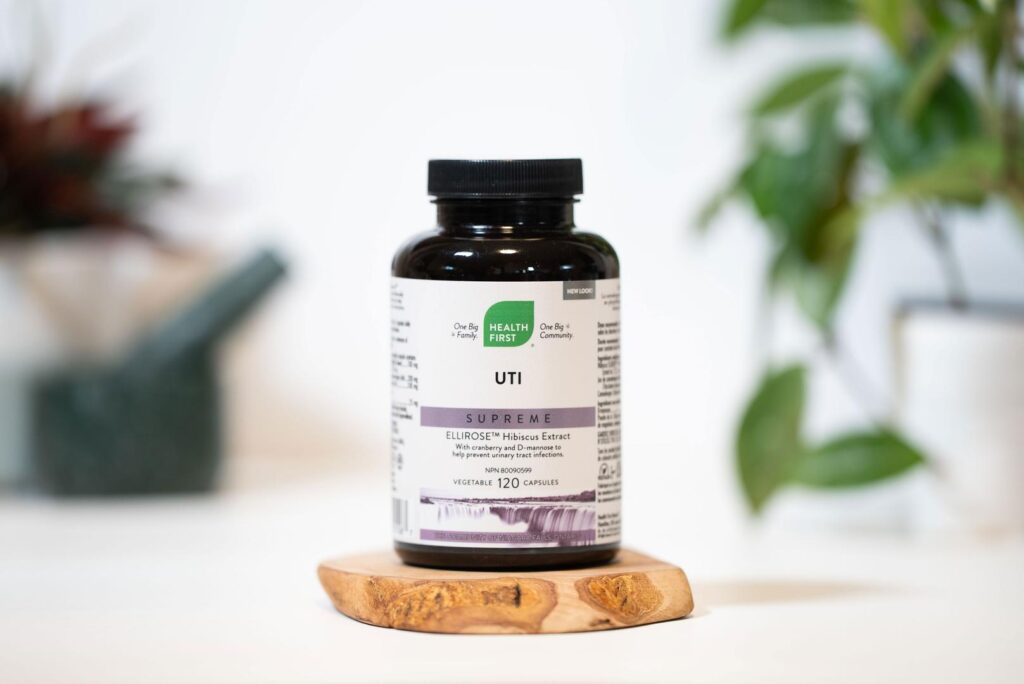
The key to not having to take antibiotics for a UTI is not getting one in the first place. The Health First UTI Supreme is a natural supplement specifically formulated to support bladder health and reduce the risk of recurring urinary tract infections. Its key ingredient is Ellirose™ (or UTIrose™), a patented hibiscus extract that clinical research has shown can reduce UTI recurrence by up to 89% over six months. The formula works through a triple-action approach: hibiscus and cranberry provide potent antioxidants and phenolic acids that make it difficult for bacteria like E.coli to adhere to the urinary tract, while D-mannose acts as the “sticky sugar” to trap and flush out bacteria during urination. This supplement is vegan-friendly and free from common allergens like gluten, soy, and dairy, making it accessible to most people. It should be used as a daily maintenance tool to foster a healthy urinary environment and provide relief from chronic discomfort.
Read More: How to Help Get Rid of Vertigo Before It Becomes a Chronic Problem
UTI Diagnosis and Treatment
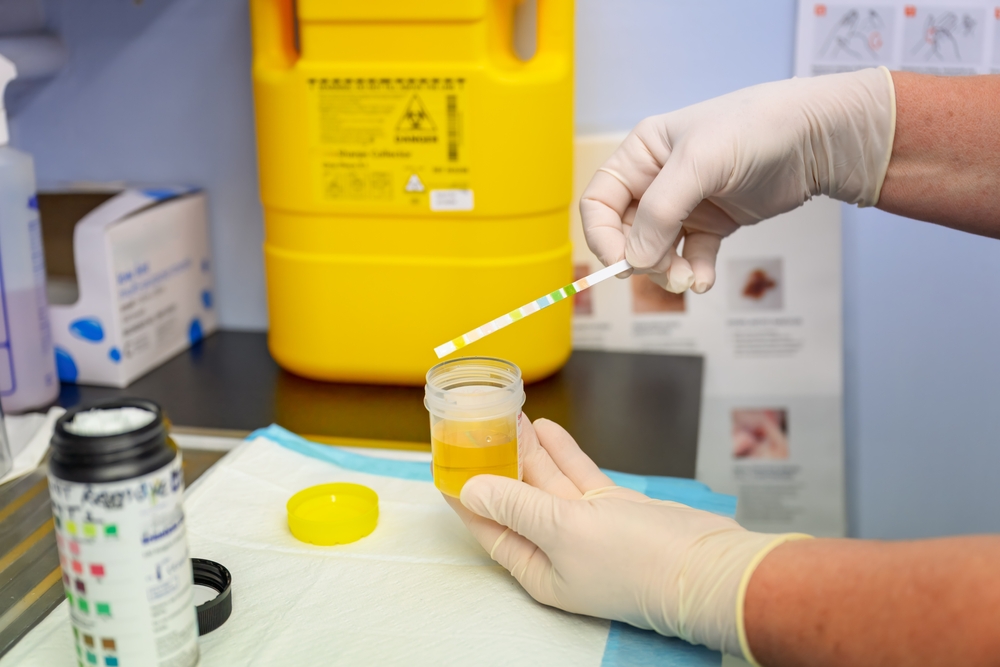
Image credit: Shutterstock
To accurately diagnose a UTI, a healthcare provider typically performs a urinalysis to check for the presence of white blood cells, red blood cells, and bacteria. In many cases, they will also order a urine culture to identify the specific strain of bacteria and determine which medication will be most effective. Once confirmed, the standard treatment is a course of oral antibiotics, such as trimethoprim-sulfamethoxazole or nitrofurantoin, which usually begins to alleviate symptoms within 24 to 48 hours. It is vital to complete the entire prescription even if you feel better, as stopping early can allow the remaining bacteria to survive and develop antibiotic resistance. For those experiencing significant discomfort, doctors may also recommend a urinary analgesic to temporarily numb the bladder lining while the antibiotics work to clear the underlying infection.
The Bottom Line
UTIs, though common, are serious infections that need to be treated as such. While it is a nice idea to be able to treat them without the use of antibiotics, the reality is that if your symptoms haven’t gone away after two days, they are necessary. Otherwise, the infection can quickly go from easy to deal with to life-threatening. If you wish to avoid using antibiotics, the best course of action is to take preventive measures before you have an infection in the first place. These include staying hydrated, peeing directly after intercourse, not holding in urine, trying out supplements like the Health First UTI Supreme, and being mindful of lifestyle habits that could increase your risk. Doing these things can help you to decrease the number of UTIs you will experience, therefore decreasing the number of times you will be on antibiotics in your life.
Disclaimer: The author is not a licensed medical professional. The information provided is for general informational and educational purposes only and is based on research from publicly available, reputable sources. It is not intended to constitute, and should not be relied upon as, medical advice, diagnosis, or treatment. Always consult a licensed physician or other qualified healthcare provider regarding any medical condition, symptoms, or medications. Do not disregard, avoid, or delay seeking professional medical advice or treatment because of information contained herein.
Read More: What Are Staghorn Kidney Stones? (Symptoms, Causes, and Treatment)