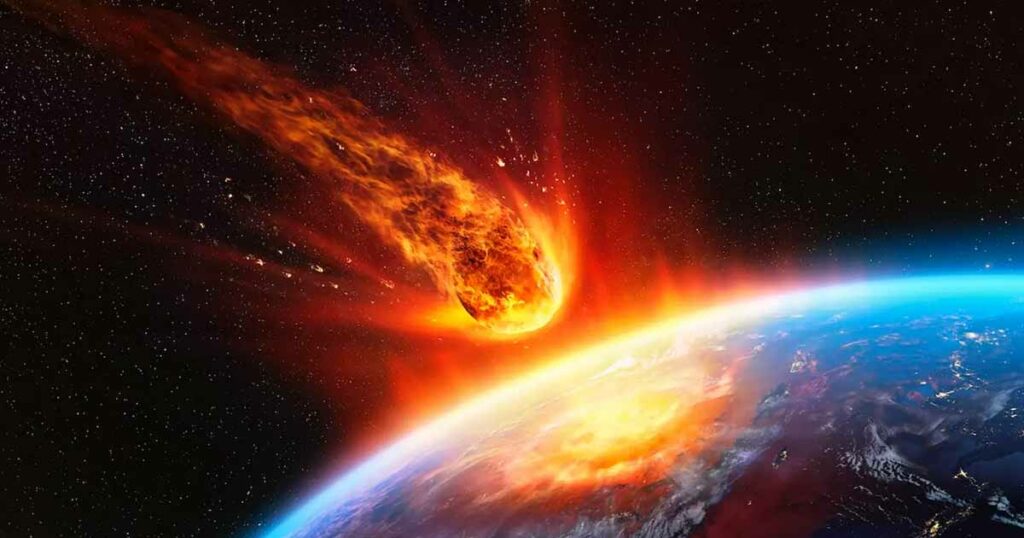
A newly discovered asteroid has come up as a potential threat to Earth, with scientists closely monitoring its trajectory – just in case. The near-Earth asteroid, labelled as 2024 YR4, was spotted on December 27, 2024, by the Asteroid Terrestrial-impact Last Alert System (ATLAS) telescope in Chile. After careful analysis, it was revealed that the...
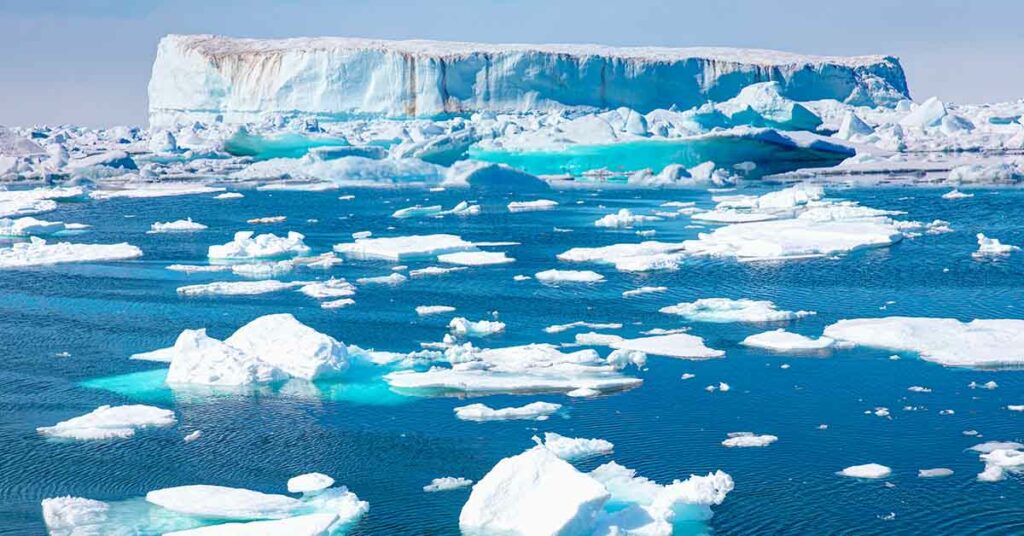
The world’s largest iceberg, A23a – which recently broke free from a decades-long imprisonment in Antarctica – is currently on a collision course with South Georgia island. “Icebergs are inherently dangerous. I would be extraordinarily happy if it just completely missed us,” warns sea captain Simon Wallace, speaking from the South Georgia government vessel Pharos....
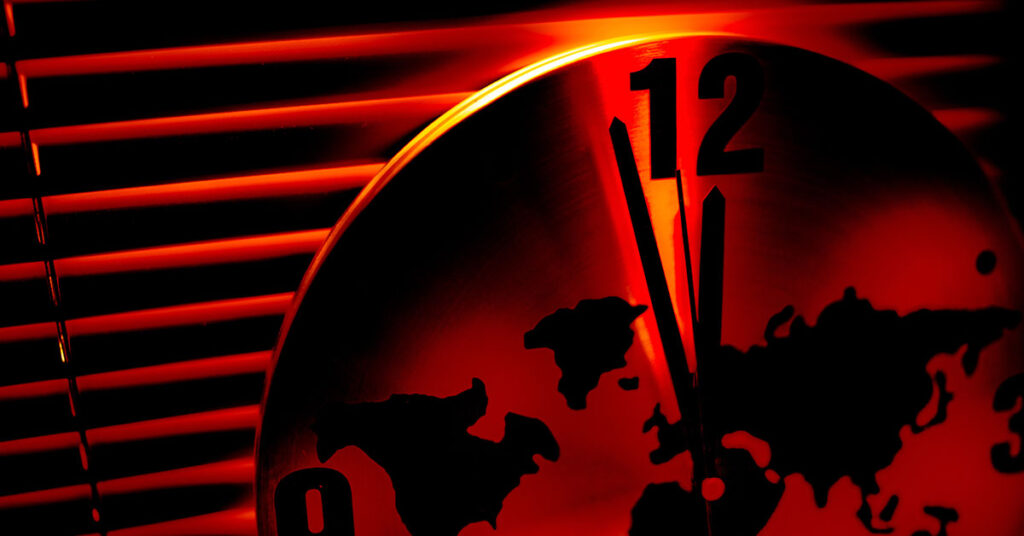
The Bulletin of Atomic Scientists has once again moved their iconic “Doomsday Clock” to just 89 seconds before midnight. This marks the closest humanity has ever been to theoretical annihilation in the clock’s 78-year history. This adjustment comes due to an increase in global tensions, particularly Russia’s nuclear arsenal and the ongoing conflict in Ukraine....
December 26 of this past year, humanity’s most daring space mission yet achieved the unthinkable. NASA’s Parker Solar Probe flew through the sun’s atmosphere at a ridiculous 430,000 miles per hour, making it the fastest man made object and getting the closest to our star in history. A casual 3.8 million miles above the sun’s...
Cosmologist Laura Mersini-Houghton from the University of North Carolina at Chapel Hill has proposed that our universe came from a quantum wave function, generating multiple universes alongside our own – in other words, the multiverse. This theory suggests that the universe’s earliest moments can be explained by quantum mechanics, offering a new perspective on cosmic...
The Mariana Trench, the deepest point in the ocean, was once believed to be an untouched abyss far from the reach of human pollution. However, discoveries have shattered this illusion, revealing the disturbing truth about the extent of plastic pollution, even in the deepest corners of our planet. A shocking find at the bottom of...
CO2 levels in our atmosphere are reaching alarming numbers, speeding up global warming at an extremely concerning rate. Therefore, finding ways to capture and store the carbon dioxide we produce is vitally important if we wish to lower greenhouse gases and slow down the rate of global warming. Unfortunately, existing carbon capture methods only work...
From time to time, people ponder the end of the world. It may come after watching a movie or reading a book about the apocalypse. Or they may be suffering from existentialism after losing a loved one. Or they may study the end-times based on religious beliefs or scientific theories. Will there be a robot...
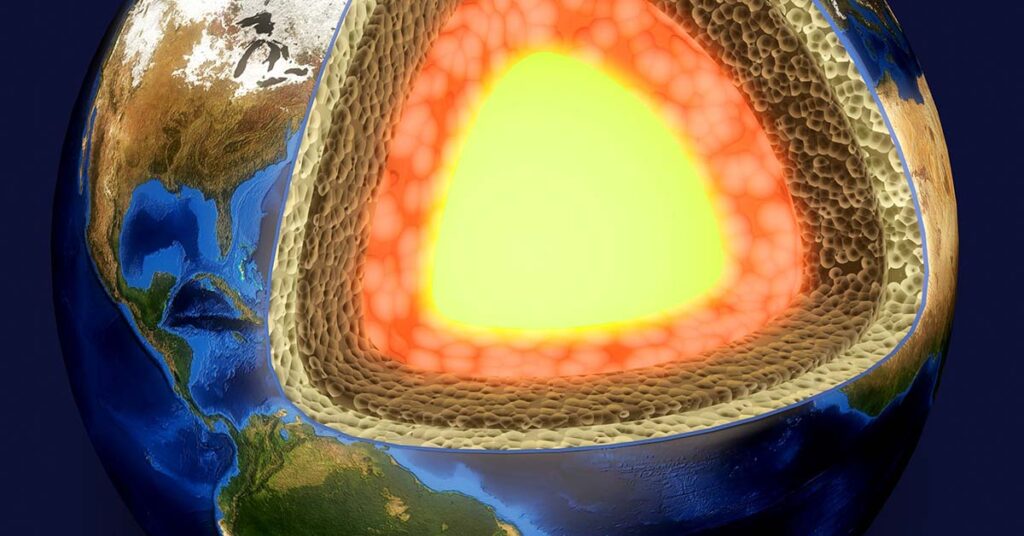
There is much talk of man going to inhabit other planets, such as Mars. Yet, there is still so much of our own planet we have yet to explore and understand. For example, our oceans take up 70% of the Earth’s surface, yet we have only explored 26.1% of its depths! The Earth’s core is...
Arsenic is an element famous for being toxic in large doses. Arsenic is indeed a naturally occurring element found in rocks and soil. Industrial activities, particularly mining, can exacerbate its release into the environment, leading to contamination of water sources. For example, they can lead to concentrations of arsenic in water sources. But researchers may...
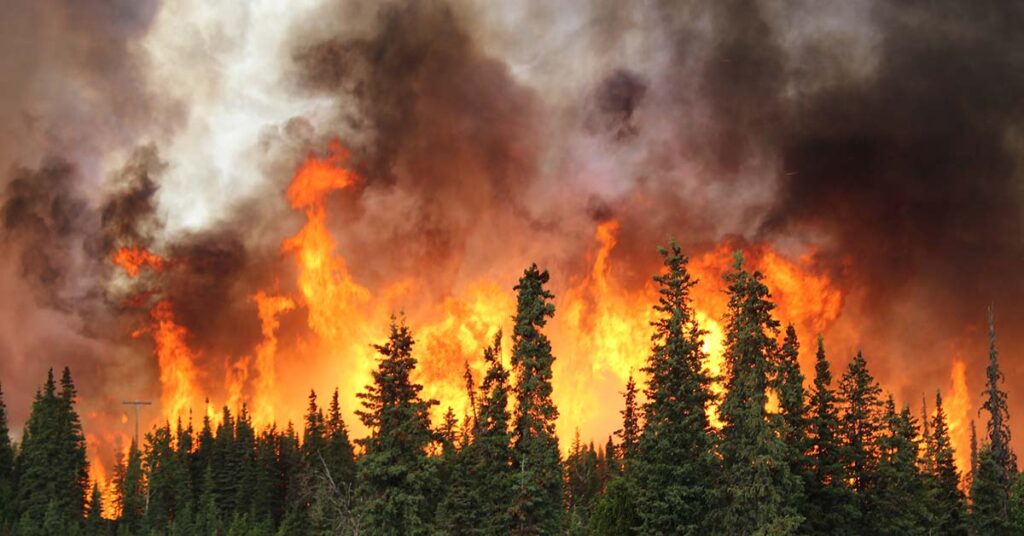
“Fire season” is an unfortunate part of Australian summers. During this time, low soil moisture, a lack of rain, and dry vegetation allows small flames to become rapidly-spreading wildfires. Once ignited by lightning or discarded cigarettes, the inferno is difficult to contain and extinguish. Sometimes the fires begin from arsonists. And they may be human...
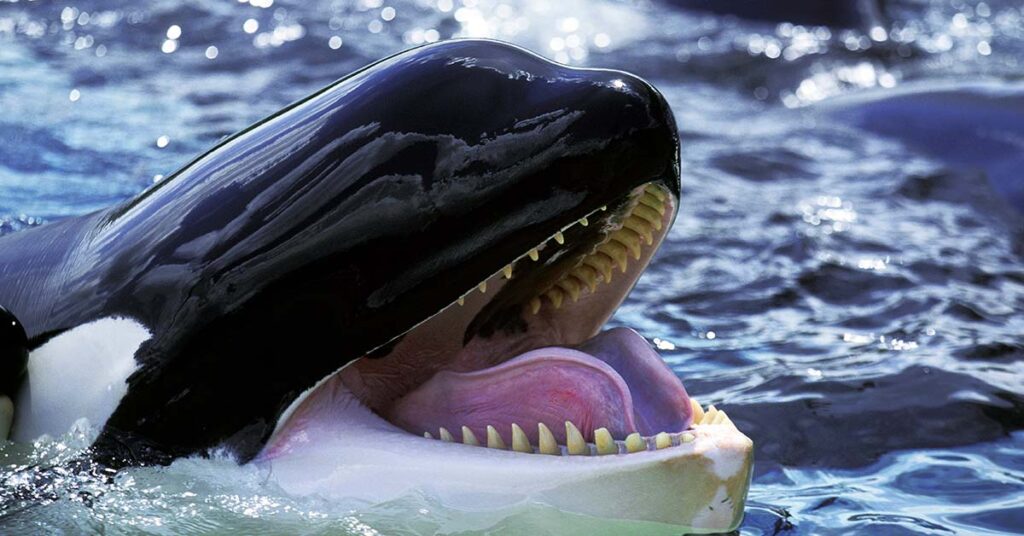
Orcas may join parrots and the other animals who can imitate human speech. A study examined a captive orca who is able to mimic human sounds and words. Listeners may find the voice eerie but some of the phrases are unmistakable. Not only that, the researchers believe that this mimicry can explain why killer whale...