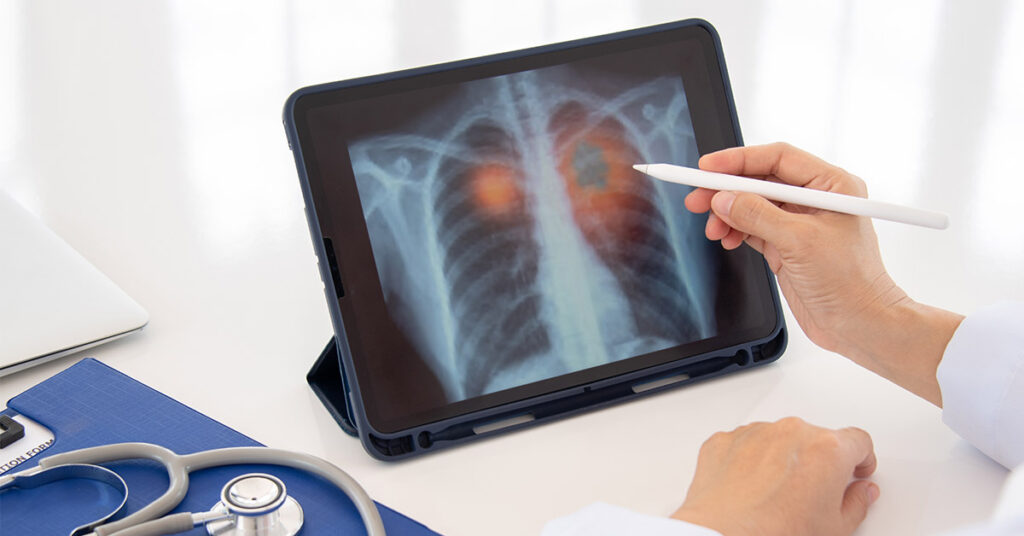
We all know at this point that high-sugar diets are not good for us. They increase our risk of developing cardiovascular disease, diabetes, dementia, Alzheimer’s, and also cancer. New research, however, is showing a somewhat surprising connection between high-sugar diets and one specific type of cancer: Lung cancer. We have associated lung cancer with smoking...
The relationship between gut bacteria and colon cancer has become a significant area of research, as scientists seek to understand how changes in the gut microbiome might influence the development of precancerous colon polyps and their progression to cancer. A recent study published in the journal Cell Host & Microbe highlights the role of certain...
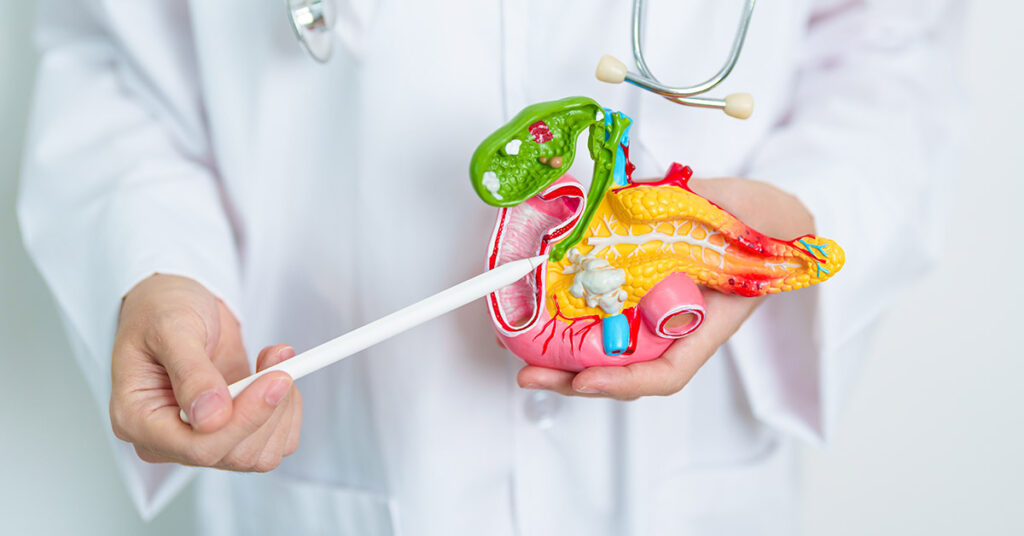
Pancreatic cancer’s five-year survival rate is currently only 13% and is responsible for over 5% of all cancer deaths in the UK. Unfortunately, the symptoms of this disease often only appear once the cancer has already spread to other parts of the body. Pancreatic cancer starts to develop when pancreas cells begin to grow uncontrollably....
Cancer affects everyone: Women, men, children, the elderly, teenagers – it is a disease that can be brutally indiscriminatory. For women, there are certain cancers that we need to be aware of, as they only affect the organs of the female reproductive system. Many of these cancers have signs and symptoms, we just either ignore...
In the ongoing quest to combat cancer, one of the most promising and accessible tools may be right at our fingertips: physical activity. Recent studies have highlighted the profound impact that even modest levels of exercise can have on cancer outcomes, particularly in reducing the risk of cancer progression and mortality. A study published in...
Have you ever wondered what happens when a doctor becomes the patient? For Professor Richard Scolyer, one of the world’s leading cancer researchers specializing in melanoma, this question became his reality in the most dramatic way possible. The medical community knows Scolyer as a pioneering pathologist whose work has saved thousands of lives. As the most published...
In a remarkable scientific breakthrough that researchers are calling a ‘eureka moment,’ a team at the University of Cambridge has potentially turned a cheap painkiller into a new weapon to fight against cancer metastasis – aspirin. Aspirin, a common, over-the-counter medication has long been known for its anti-inflammatory and pain-relieving properties. However, this new research...
Colorectal cancer (CRC), the second leading cause of cancer-related deaths in the United States, is increasingly linked to dietary habits, especially the consumption of ultra-processed foods (UPFs). Researchers at the University of South Florida (USF) and Tampa General Hospital Cancer Institute have done an important and groundbreaking study that helps our understanding on how these...
An 18-year survivor of neuroblastoma, a solid tumour that primarily affects individuals in their childhood, marks a significant step forward as potentially the longest reported remission in a patient treated with CAR-T Cancer Therapy. This outcome, reported by Nature Medicine, observed in a phase 1 clinical trial follow-up, highlights the therapy’s potential, though challenges remain...
Cancer treatments save lives. They also create unexpected challenges. A stage 3 cancer patient recently shared a vital warning about chemotherapy and infection risk. Sharing bathrooms with people undergoing chemotherapy poses serious hazards. Most people never consider this danger. The Hidden Dangers in Shared Spaces Chemotherapy targets rapidly dividing cells. It attacks cancer. It also...
Cancer is the second leading cause of death globally, with almost 1 in every 6 deaths attributed to the disease. It is, therefore, no surprise that so much time and resources are spent trying to find treatments and prevention strategies. In 2021, researchers revealed that they had discovered that a particular type of collagen may...
Cancer rates are climbing, and young women are at the center of a troubling trend. Recent studies show they face an 82% higher cancer risk than men in the same age group. This sharp rise raises urgent questions about the causes and what can be done to stop it. Experts point to a mix of...