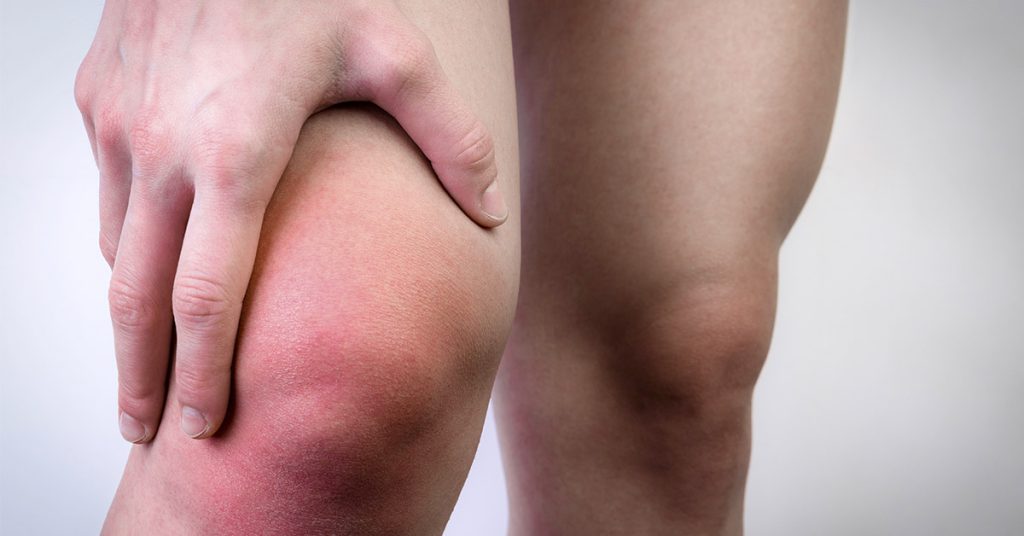
The knee is the largest joint on the body and most prone to issues like injury. A puffy, stiff, or painful knee can limit mobility severely and is extremely painful. While exercise strengthens the knees, if you have a swollen knee it is advisable to consider the root issue. Chronic conditions and acute injuries warrant...
Chronic Illness
Take a holistic look at chronic health conditions — from autoimmune strategies to natural pain relief — through the lens of integrative healing.
Tattoos have become a popular form of self-expression, being more mainstream than ever before. Many people now adorn their bodies with ink, engraving unique and various designs. Negative stereotypes associated with tattoos have mostly dissipated. A significant portion of the adult population now has at least 1 tattoo. For instance, a 2024 survey showed 31%...
Scientists have solved a medical mystery that puzzled doctors for decades. Colon cancer cases among young adults have doubled since the mid-1990s, with one in five diagnoses now appearing in people under 55. New research shows the bacterial culprit behind this explosion and gives us the first simple screening tool to fight back. Half of...
In a world where toxins are ever-present, it’s more important than ever to take care of our bodies, especially when it comes to the internal organs that work hard to cleanse and filter out waste. Our liver is a true powerhouse; it’s the second-largest organ in the human body (right after your skin) with over...
The idea of repurposing existing drugs for cancer is an intriguing one, with people sharing stories of how drugs not originally developed for cancer ended up saving their lives. These examples have sparked curiosity and hope among patients seeking alternative therapies. While these stories are incredible, it is important to distinguish between myths and realities...
Nonsteroidal anti-inflammatory drugs, more familiarly known as NSAIDs, are commonly used to relieve pain, reduce inflammation, and lower fever. While these medications are effective in managing various conditions, there is growing concern about their impact on heart health. NSAIDs heart attack risk and stroke risk are real – and depending on you and your health...
Corticosteroids are a class of medications widely used for their potent anti-inflammatory and immunosuppressive properties. For many people, these medications are life-savers. They play a crucial role in managing a diverse range of health conditions, including chronic inflammatory diseases, allergies, asthma, and autoimmune disorders. Corticosteroids have proven to be effective in controlling symptoms and improving...
Deep vein thrombosis (DVT) affects nearly 900,000 Americans annually, making it a significant health threat. This condition occurs when blood clots form in deep veins, typically in the legs. DVT can trigger life-threatening complications like pulmonary embolism if clots travel to the lungs. Understanding the surprising risk factors helps people recognize their vulnerability and take...
Cancer can start in almost any tissue or organ in the body and is characterized by the uncontrollable growth of abnormal cells. It is the second leading cause of death around the world, accounting for around one in every six deaths annually. The most common types of cancer in men are colorectal, prostate, lung, and...
Cases of colon cancer have been on the rise for people under 50 years of age by 3% every year since 2011. According to the American Cancer Society, around 107,320 American adults will be diagnosed with colorectal cancer. This number represents an almost equal split among the sexes, with 54,510 men and 52,810 women anticipated...
Ginger has long been praised for its powerful health benefits and has been used for centuries against many different illnesses, infections, and conditions. Many of these health benefits have since been backed up by various studies and research, confirming ginger’s status as a health-promoting ingredient. One of the easiest ways to incorporate ginger into your...
“You’re young. You’re healthy. We’re not worried about cancer.” Those words echoed in doctor’s offices 2,500 miles apart. Sarah Beran heard them in Los Angeles when she mentioned blood in her stool. Brooks Bell received the same response in North Carolina. Both women felt relieved, trusted their doctors completely, and were catastrophically wrong. Within months,...