Strokes hit fast and without any warning. One moment, everything is fine, the next, you wake up not being able to speak or move properly. Unfortunately, this is the reality for millions of people worldwide, yet studies have shown that up to 80% of strokes are avoidable. Luckily, reducing stroke risk doesn’t have to entail...
Those who are avid tea drinkers will purport to you its soothing, relaxing, calming effects, especially after a long day. These accompanying effects that come with a good cup of tea are due to tea’s bioactive compound, L-theanine. L-theanine is a non-protein amino acid that occurs naturally in tea plants. Scientists discovered this compound in...
Mental strength isn’t built in sunshine. It grows in the dark when things don’t make sense. Resilient people aren’t born that way. They just stop running from what hurts. They learn to face it, breathe through it, and figure it out one step at a time. Most people avoid the hard truths that push them...
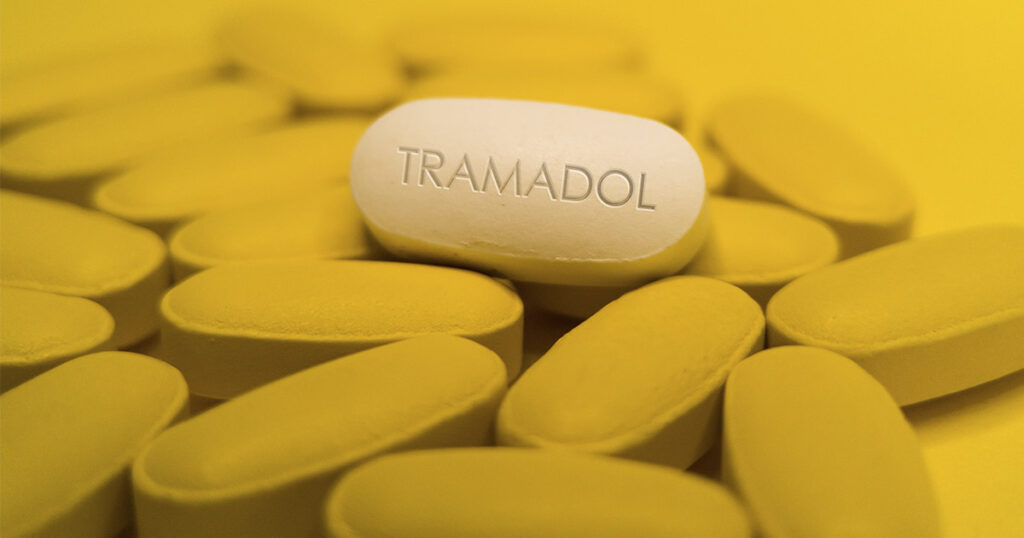
If you have lived with pain for months, you have likely heard of tramadol. Many people consider it a gentler opioid that feels somewhat safer to use. A large new analysis challenges that idea in a careful, data-driven manner. The researchers pooled randomized trials and then examined if tramadol actually help enough to outweigh its...
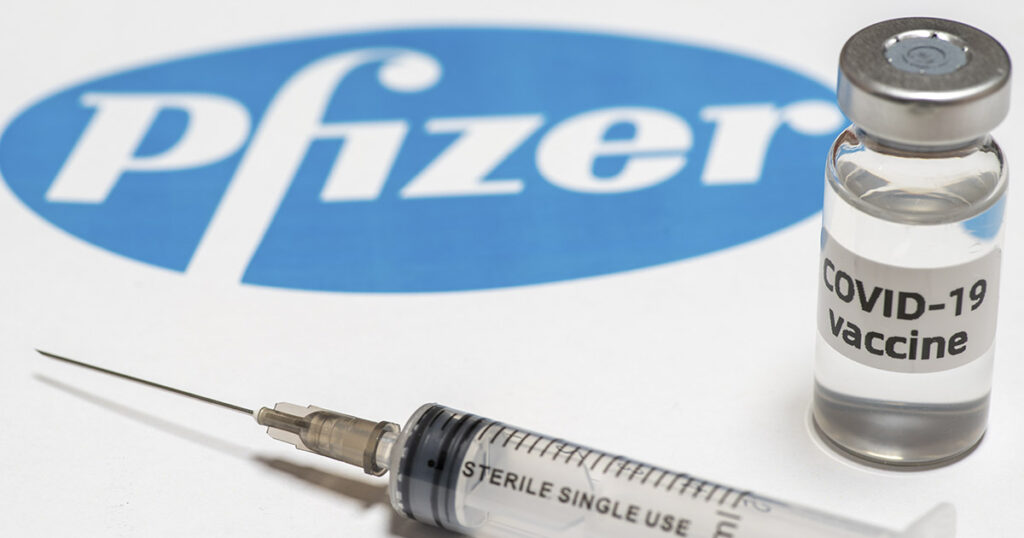
Public interest has recently turned to the human eye and the Pfizer COVID-19 Vaccine. Two peer-reviewed papers have helped drive the latest debate. One Turkish cohort measured the cornea before and after vaccination. Another systematic review catalogued rare ocular events after COVID-19 shots across many reports. Both studies deserve some attention, so we will take...
Plant-based medicines have played an integral part in society’s healthcare and wellness for thousands of years. Estimates from the World Health Organization indicate that approximately 80% of the world’s population still relies on traditional plant-based medicinal care. Cannabis has been used in traditional medicinal and cultural rituals for millennia.However, cannabis still remains illegal in many...
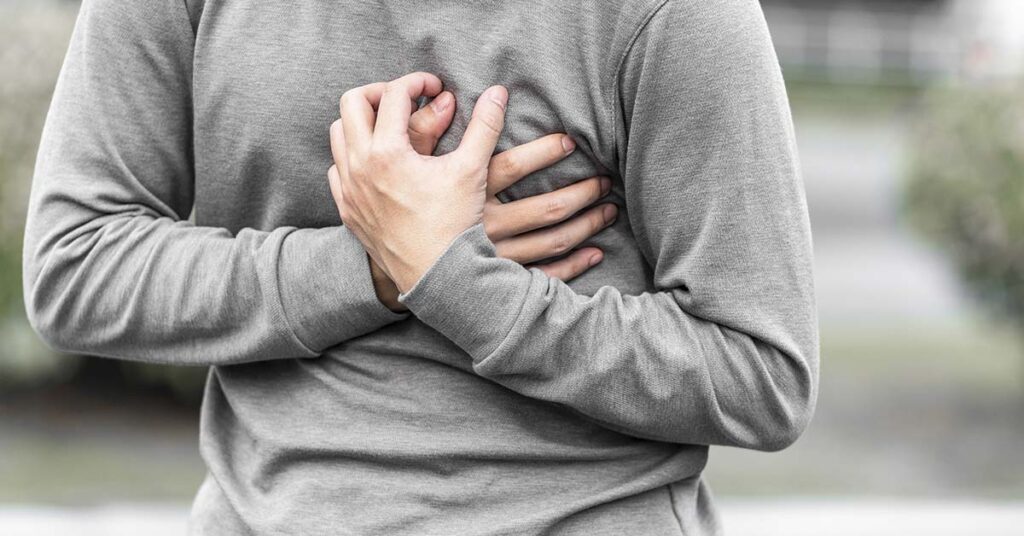
Most people think heart attacks happen only because of blocked arteries or bad habits. But sometimes, the body reacts to things we don’t expect at all. These unexpected heart attack triggers can sneak up during normal daily life, like waking up too fast, skipping sleep, or getting too emotional. They may sound small, but together...
On October 28, Kim Kardashian appeared on Good Morning America to promote her new show All’s Fair. Robin Roberts asked about the brain aneurysm Kim had disclosed on The Kardashians. Kim confirmed getting a Prenuvo scan followed by extensive brain scans at Cedars-Sinai Medical Center. She told viewers to tune in to the next episode...
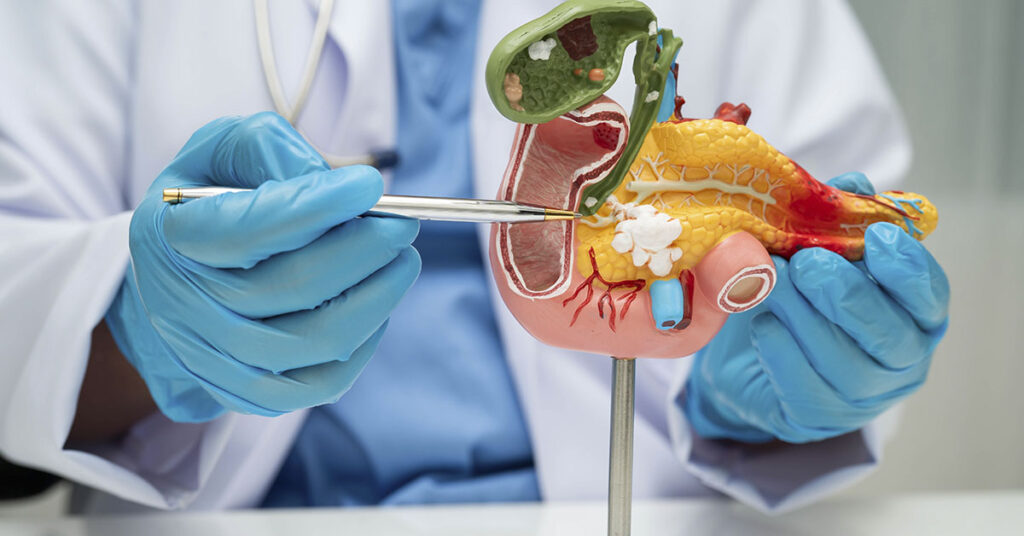
Pancreatic cancer is often referred to as a silent disease because early signs are typically quite subtle. People may first notice vague tummy pains, backache, or even unexpected weight loss. Others only realize something is wrong when jaundice suddenly appears. However, newer patient reports and guidance highlight another early clue in some people. The first...
Illness and disease don’t exist in silos: often, one can trigger or exacerbate another. Emerging evidence is painting a clearer, more urgent picture: the global epidemic of diabetes may be one of the strongest, yet most controllable risk factors for developing dementia. Far from being two separate conditions, researchers are increasingly recognizing them as a...
Reaching the age of 100 used to be quite a rare achievement. Yet, nowadays, it seems to be a rather commonplace occurrence. Well, believe it or not, centenarians are not the fastest-growing demographic age group worldwide. Researchers in Sweden followed tens of thousands of people and analyzed routine blood tests taken years earlier. They then...
As if Millennials need something else to be stressed about, here’s one more. Defined as those born between 1981 and 1995, millennials are facing alarming cancer rates at younger ages and more frequently than their parents’ generation. Data shows that between 1990 and 2019, cases of early-onset cancer – cancer under 50 – increased by...