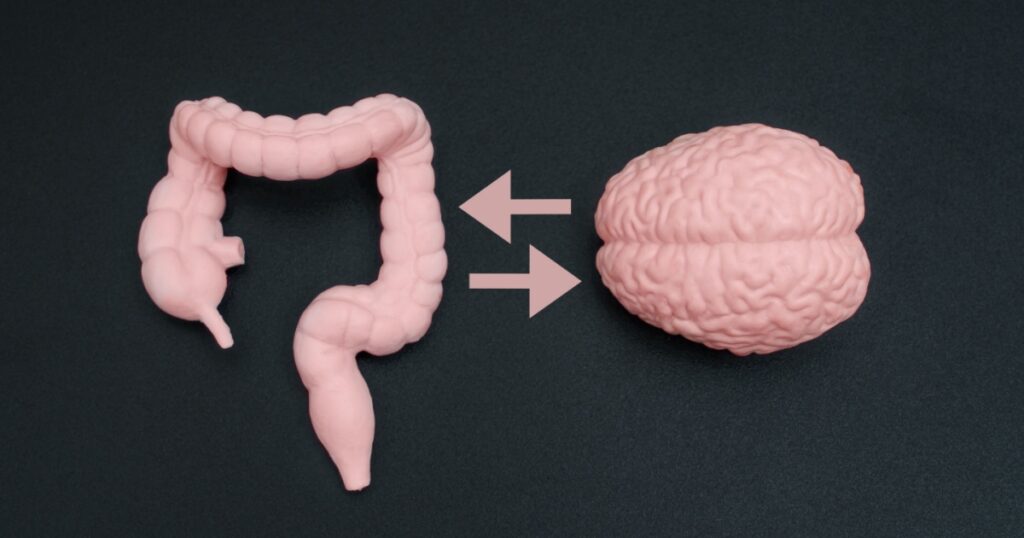
Most people think of the gut as a digestive organ. Something that processes food, absorbs nutrients, and occasionally causes trouble on a stressful morning. But over the past decade, researchers have been quietly assembling a very different picture – one where the trillions of microbes living in your intestines are doing something far more consequential...

Mind-Body Wellness
Discover the connection between your thoughts, emotions, and physical health. From mindfulness to energy balancing, this section empowers your inner harmony.
People who genuinely enjoy solitude often get lumped in with the shy, the antisocial, or the burned-out. The assumption is that something must be off, that they’re hiding from the world, nursing wounds, or simply haven’t found the right people yet. But that framing gets the psychology backward. For a meaningful portion of the population,...
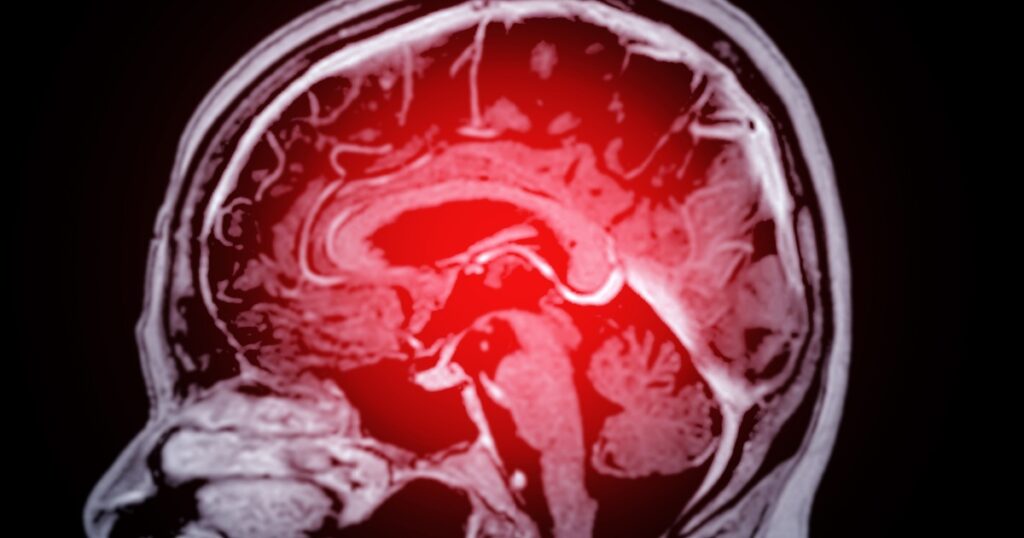
Most people picture dementia as something that creeps up in old age, something that belongs to a distant future most of us would rather not think about too carefully. But the science is shifting that picture in an uncomfortable direction. A wave of large-scale research is identifying the dementia risk factors that accumulate long before...
You’ve probably had a conversation that left you feeling like you did something wrong – even though you were the one who brought up a real concern. You walked into it clear-headed, and you walked out apologizing. Maybe you tried again later, only for the whole thing to flip on you again, faster this time....
People who score high on measures of prosocial behavior (meaning acts that benefit others without expectation of reward) and who also maintain relatively small social circles share a set of remarkably consistent behavioral patterns, according to a growing body of social psychology research. A 2024 study published in the Proceedings of the National Academy of Sciences by...
For centuries, cultures around the world have turned to the heat of the sauna for everything from social to spiritual connection. Today, modern science is finally catching up with these ancient traditions, uncovering all of the physiological benefits that go far beyond a simple sweat. From accelerating muscle recovery to triggering significant surges in growth...
Your brain does not start the day at full power. It is shifting from sleep into alertness. During that transition, light, movement, food, hydration, and stress cues begin steering the day. Sleep researchers, neurologists, psychiatrists, and nutrition experts agree that those early inputs affect focus, mood, energy, and later sleep quality. Many popular morning routines...
Jennifer Aniston is 56 and in the best shape of her life, and the reason isn’t what you’d guess. It’s not a secret supplement or a celebrity trainer or some punishing two-hour gym session. It’s a 30-minute workout, done consistently, built around movements that protect her body instead of wearing it down. For most of...
Emotional withdrawal is one of the most common human behaviors and one of the most misunderstood, largely because we tend to lump all forms of going silent into the same category. You’ve probably been on one side of this or the other. Someone you care about suddenly stops talking, stops texting back, stops showing up...
A lot of people want the health payoff of exercise, yet they get stuck on the time problem. Work runs long. Commutes eat the day. Even planning a gym session can feel like a project. “Exercise snacks” flip that script. They use tiny bursts of effort, placed inside normal life, to push fitness in the...
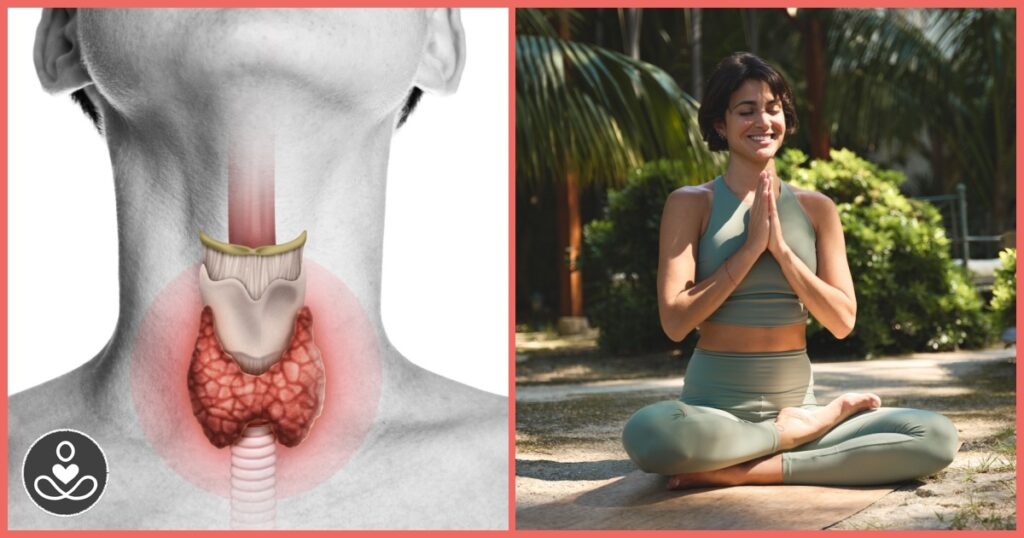
The thyroid is a small, butterfly-shaped gland located at the front of the neck, just below the Adam’s apple. Despite its size, it plays a vital role in regulating many of the body’s essential functions. The thyroid produces hormones that help control metabolism, energy levels, body temperature, digestion, and mood. When the thyroid is functioning...
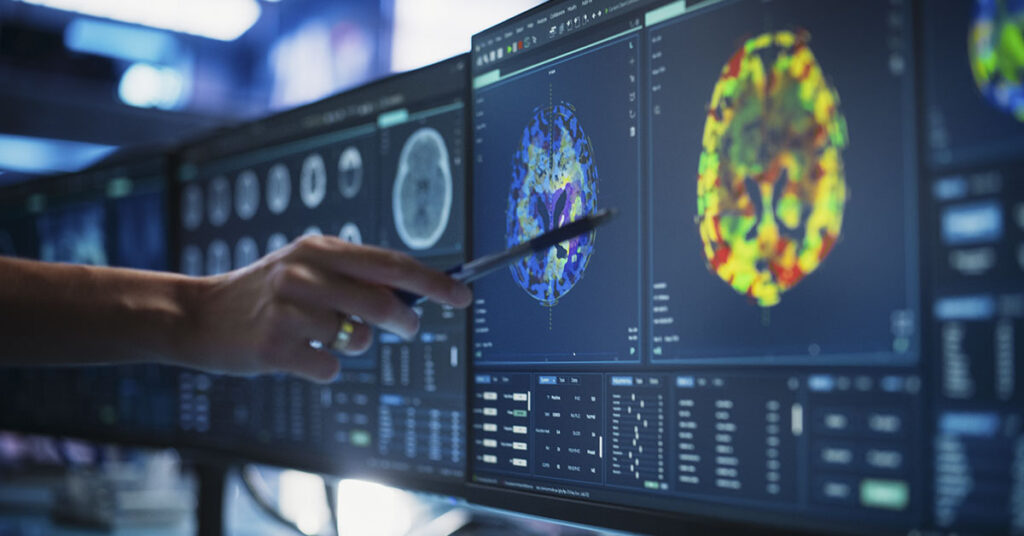
Insomnia often simply gets dismissed as a mere annoyance, yet long stretches of poor sleep can be linked to real brain outcomes. These large population studies connect certain insomnia symptoms with a higher risk of later dementia. The headline number can sound dramatic, but it comes from a specific finding: trouble falling asleep has shown...