From June 2024 until March 2025, beekeepers witnessed a severe honeybee die-off in the United States. This was found through a survey by Project Apis m. involving 702 respondents who account for about 1.835 million colonies, roughly 68% of the bees in the U.S. The survey made a horrifying revelation: Commercial beekeepers reported an average...
Older adults with attention-deficit/hyperactivity disorder (ADHD) face a higher risk of developing age-related dementias like Alzheimer’s disease. Researchers from the University of Geneva have discovered that they distribute abnormal iron levels similarly in specific brain regions of individuals with dementia-like disorders. This may shed light on the puzzling connection of iron in the brain and...
Approximately one in every nine Americans, equating to more than 11% of the population, is living with diabetes. In fact, one in nine people around the world are living with diabetes in general. This means that hundreds of millions of people have been diagnosed and are attempting to control their diabetes. This does not include...
A sunny afternoon in New York City took a devastating turn when a helicopter crash plunged into the Hudson River. Six people died, and the city is now reeling. Eyewitnesses described a terrifying scene as the chopper spun out of control before slamming into the water. The pilot, Sean Johnson, was a decorated Navy SEAL...
High cholesterol is one of the most dangerous health problems you can have. It can lead to heart attack, stroke, and early death. Despite how dangerous it is, tens of millions of Americans have high cholesterol, and many of them don’t even know it. Interestingly enough, there are signs of high cholesterol that you can...
We get our daily supply of vitamin D from sunlight, the food we eat, and any supplements we may take. The functions of vitamin D include aiding in calcium absorption for maintaining strong bones, supporting the immune system, and maintaining healthy muscle function. A recent study set out to discover if there were perhaps additional...
Dr. Barry Smith worked behind the scenes with food giants like Coca-Cola and Kellogg’s for nearly a decade. He made their products irresistibly delicious and impossible to put down. Then something changed. The food scientist who once engineered ultra-processed foods (UPFs) now completely avoids them. What drove this dramatic shift? What did he discover about these foods...
A new study by the Institute of Biomedical Engineering has discovered that studying leg muscle blood flow may help detect cardiovascular disease early. This method was found to be more effective than existing tests and can potentially result in earlier treatments. The earlier doctors can predict heart failure in a patient, the better a patient’s...
What if saving a life started with a leaf of spinach? It may sound far-fetched, but science has taken an unexpected turn—straight into the produce aisle. In a stunning breakthrough first reported in 2017, researchers used spinach leaves to grow human heart tissue. This discovery could offer a new, affordable, and sustainable approach to tissue...
The Dire Wolf has long fascinated scientists and storytellers alike. With its massive frame and powerful jaws, it once ruled prehistoric North America, hunting large mammals alongside—and likely competing with—early humans. Though it disappeared roughly 10,000 years ago, the Dire Wolf never really left our imagination. From fossil exhibits to fantasy series like Game of...
Dominique McShain, a vibrant 21-year-old from New Zealand, was living what many would call a typical young adult life. She studied psychology, recently got married, and had a bright future ahead. But just before her 21st birthday, everything changed. She received a devastating diagnosis—stage 4 colorectal cancer. Now, doctors say she has only days or...
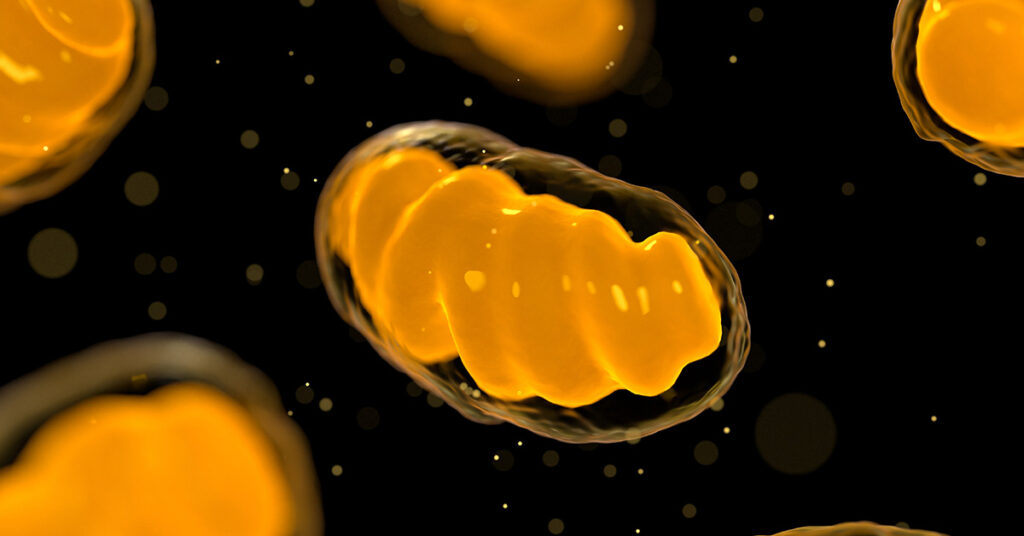
Mitochondrial transplants are becoming a promising new way to treat diseases and potentially extend life. Instead of transplanting whole organs, this approach focuses on transplanting organelles, which are like the organs of a cell. Specifically, it involves replacing old, worn-out mitochondria with healthy ones to boost a cell’s energy and function. Researchers believe this could...