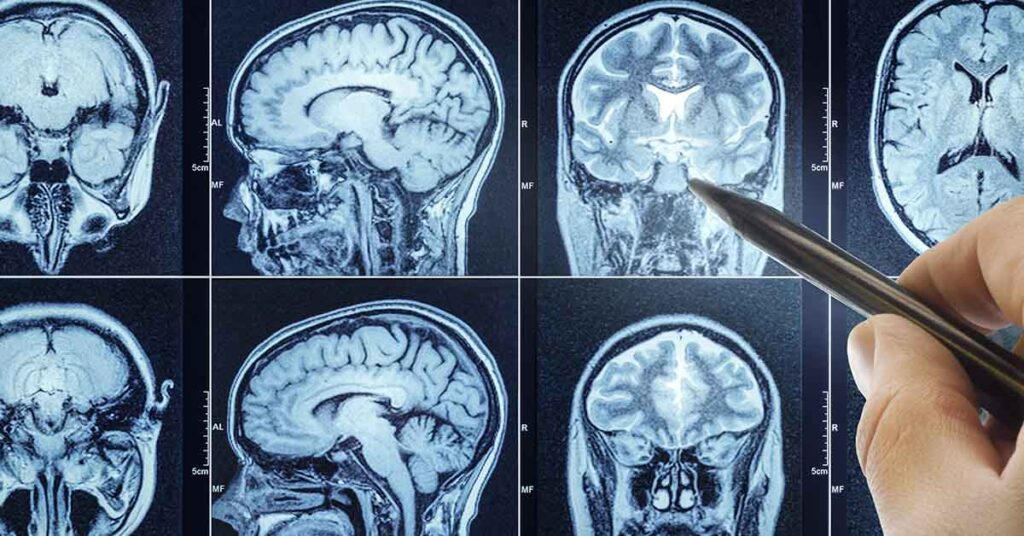
Imagine a cancer so aggressive that even after intensive surgery, radiation, and chemotherapy, nearly 90 percent of patients see it return within two years. This is the terrifying reality of Glioblastoma Multiforme (GBM), the deadliest form of brain cancer in adults. GBM is known for its destructive growth and ability to creep into surrounding brain...
Sixteen-year-old Harley Andrews was the kind of teenager adults hope their children become. He played football, loved rugby, and spent evenings with friends planning their futures. He had only just started college and seemed strong and healthy from the outside. When he began to complain about pain and feeling unwell, the first instinct of adults...
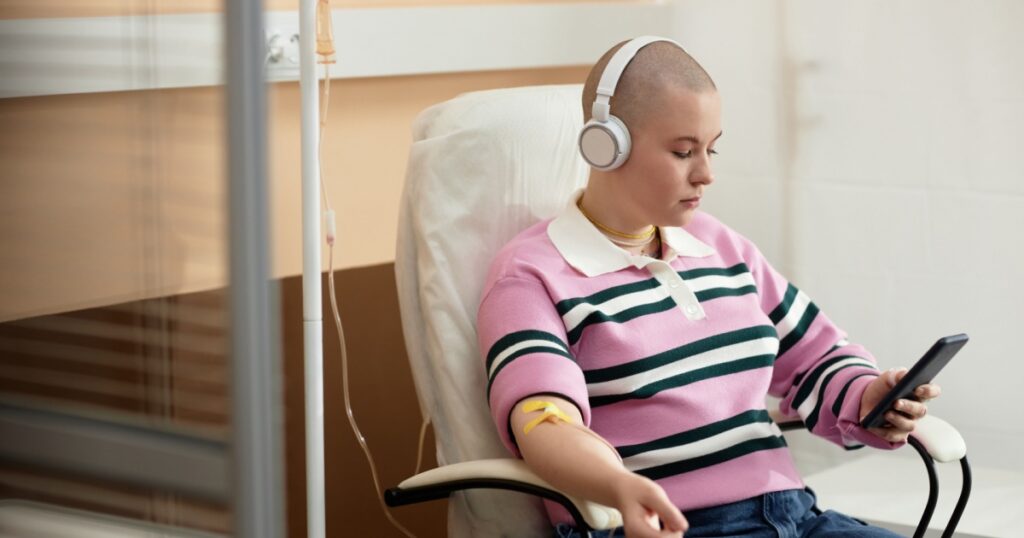
When a loved one is diagnosed with cancer, for that person and their family, their world shrinks – especially when that diagnosis is terminal. Regular life gets put on hold while a desperate search begins for anything that might offer a chance. A new drug, a promising trial, anything. Sometimes, however, the ‘miracle’ they’re looking...
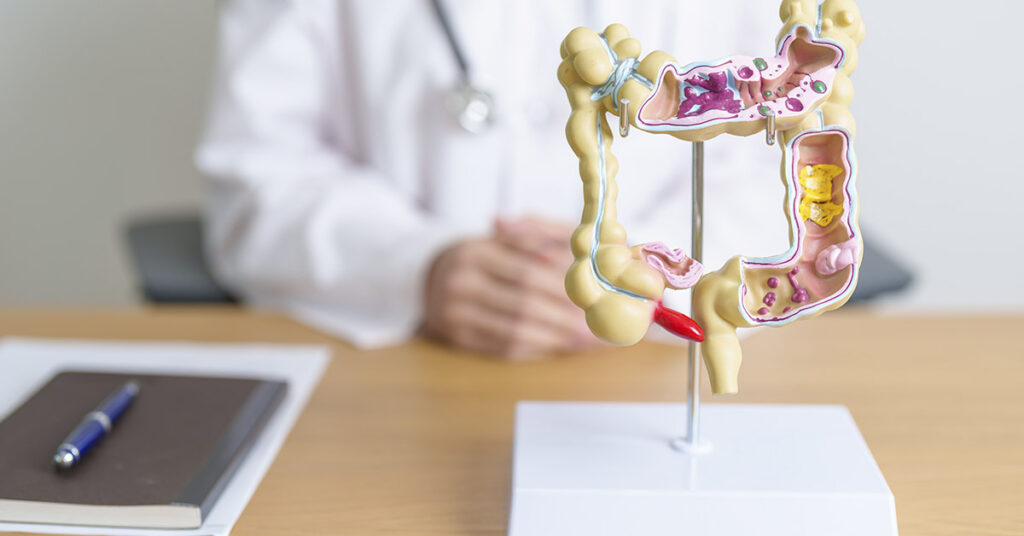
Early-onset colorectal cancer once seemed rare, yet doctors now diagnose it more often in people under 50. Researchers increasingly treat early-onset disease as a distinct challenge with different life stages and exposures than later diagnoses. One expert review explains that “in the past decades, the incidence of colorectal cancer in people under the age of...
Gray hair often feels like a simple sign of passing time. It is easy to see it as a cosmetic change and nothing more. Yet new evidence links hair pigmentation to deep cellular decisions that also touch cancer risk. In mice, melanocyte stem cells within hair follicles choose between two fates when stressed. One future...
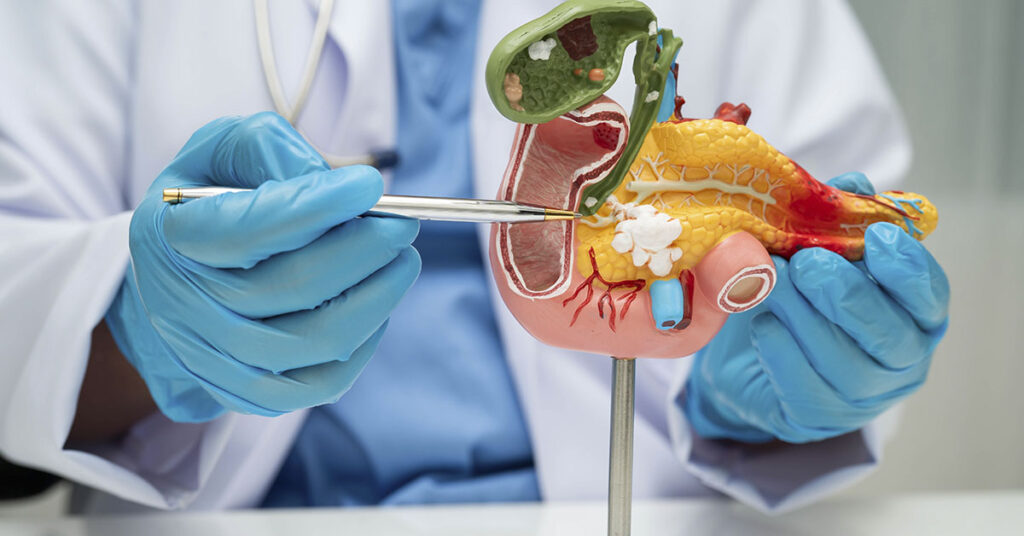
Pancreatic cancer is often referred to as a silent disease because early signs are typically quite subtle. People may first notice vague tummy pains, backache, or even unexpected weight loss. Others only realize something is wrong when jaundice suddenly appears. However, newer patient reports and guidance highlight another early clue in some people. The first...
As if Millennials need something else to be stressed about, here’s one more. Defined as those born between 1981 and 1995, millennials are facing alarming cancer rates at younger ages and more frequently than their parents’ generation. Data shows that between 1990 and 2019, cases of early-onset cancer – cancer under 50 – increased by...
A cancer diagnosis forces us to make decisions that we never imagined ourselves making. This is especially when the regular treatments don’t seem to be working. Faced with a recurrence of her cancer and limited conventional treatment options, a 42-year-old former champion bodybuilder and paramedic, Sarah Ford, made a deeply personal decision that put her...
Bacon, ham, hot dogs, and salami can be found in many people’s weekly shopping baskets. Yet scientists are urging tougher action because of the associated cancer risks. In late October 2025, UK experts renewed calls for cigarette-style bacon cancer warnings on food, or a phase-out of nitrite preservatives. This push arrived a decade after the...
Lebanon is living through a cancer emergency that grows more urgent each year. A new analysis from the Global Burden of Disease program, published in The Lancet, reveals that Lebanon has the world’s fastest increase in both new cancer cases and cancer deaths. From 1990 to 2023, incidence rose by 162 percent while mortality rose...
Lung cancer is currently ranked as the biggest cancer killer worldwide, affecting families and health systems everywhere. The illness often develops quietly for years before any symptoms eventually appear and treatment starts. That makes prevention and early detection incredibly important when it comes to trying to save lives. Smoking is still considered the main cause,...
Sometimes after a long day, we feel plain exhausted and just want to flop into bed. In those moments, brushing our teeth can feel like a chore, especially when the comfort of sleep is waiting. Yet scientists are now asking whether the bacteria and fungi living in our mouths could play a bigger role in...