Bladder cancer does not always announce itself with dramatic pain or a sudden health crisis. In many people, the earliest bladder cancer symptoms look ordinary, brief, or easy to dismiss. A little blood may appear once, then vanish. A bathroom habit may change so gradually that it seems linked to age, stress, or another infection....
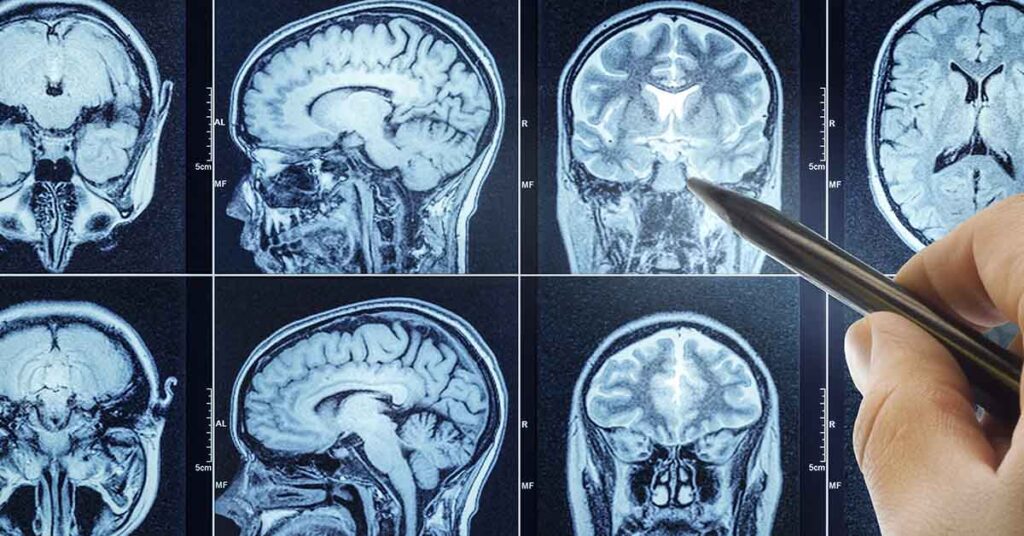
For years, Luke Taylor lived with a problem that kept returning, kept worsening, and kept being explained away. He was young, active, employed, and building a family life, so the reassurance probably sounded plausible at first. Headaches can come from many common causes, and most do not point to a brain tumor. Yet the harder...
In the quiet, sterile room of an oncology ward or a neurologist’s office, the words “six months” or “one year” carry the weight of a final verdict. For most, a terminal diagnosis marks the beginning of the end, a period of frantic legacy-building, tearful goodbyes, and the slow withdrawal from the world of the living....
For decades, when people talked about the causes of throat cancer, one factor dominated the conversation: smoking. It made sense. Tobacco exposure had a clear, well-documented link to cancers of the mouth, throat, and lungs. However, something has quietly shifted over the past two decades. In countries like the United States and the United Kingdom,...
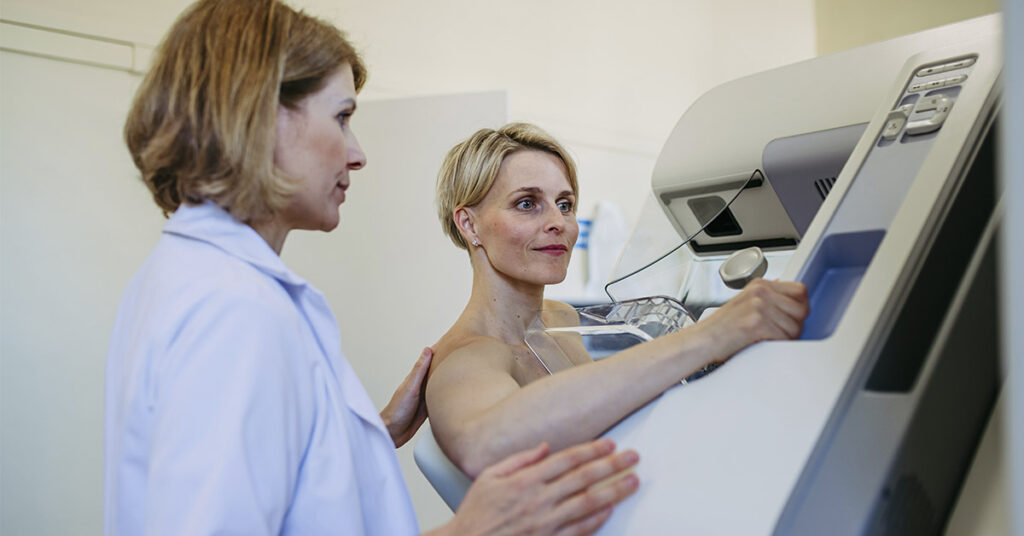
Improving survival rates is dependent on early and accurate detection of breast cancer, which remains a major public health concern and one of the leading causes of death among women in the United Kingdom. Historically, this critical process has been dependent on the ability of human radiologists to interpret mammograms. A recent landmark study points...
Cancer rarely announces itself with a dramatic opening scene. More often, it enters daily life through changes that seem easy to dismiss, especially at daybreak. A person wakes tired after a full night, notices blood during the first bathroom visit, struggles through breakfast, or stands before the mirror and spots a swelling that was not...
The word “cancer” alone is enough to send a chill down anyone’s spine. When a doctor follows that word with the recommendation for a biopsy, the anxiety often doubles. Though many of us aren’t even aware, there has been a persistent fear circulating for decades: the idea that poking a tumor with a needle or...
The human eye is often described metaphorically as the “window to the soul,” but in clinical medicine, it is more accurately viewed as a non-invasive window into the human body’s circulatory and nervous systems. This unique anatomical arrangement allows doctors to observe live blood vessels, cranial nerves, and connective tissues in real-time, offering critical clues...
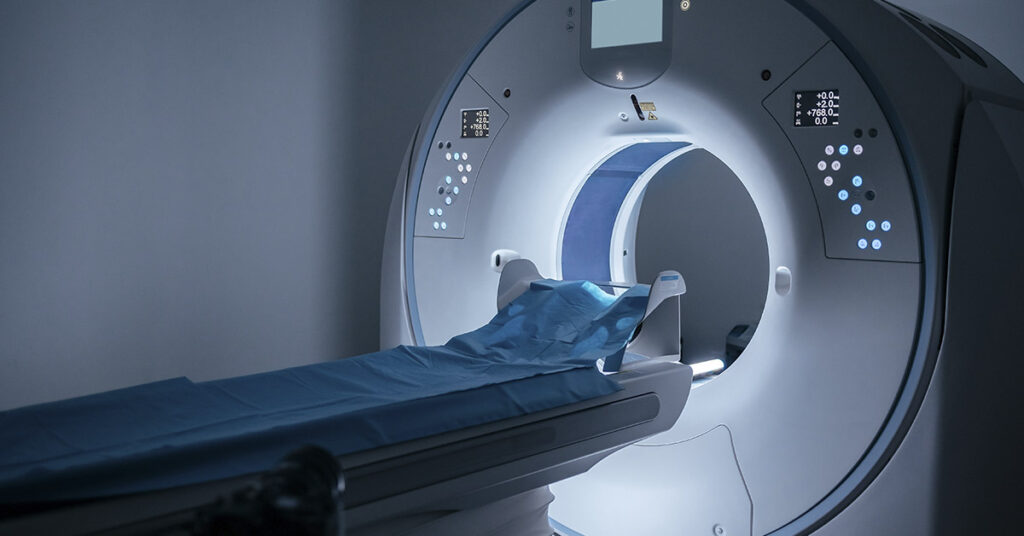
Liverpool Hospital in south-west Sydney has opened a new kind of treatment space, where doctors can see a tumour clearly and treat it in the same moment. The technique is called MRI-guided cryoablation, also known as cancer ablation therapy. Instead of a large incision, clinicians guide a slim probe through the skin and into the...
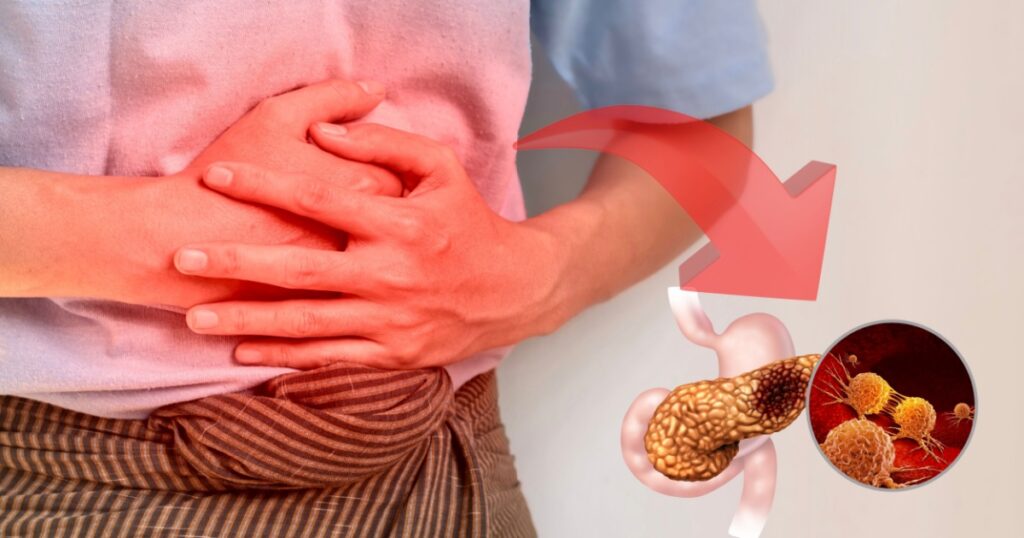
Pancreatic cancer often hides in plain sight. Many of its earliest warnings look like everyday problems. A stubborn bout of indigestion, or a new backache that will not settle. A strange change in appetite that drags on for weeks. People want a clear checklist for the early symptoms of pancreatic cancer, yet the reality is...
For generations, the word “cancer” has been synonymous with a sense of inevitability; a roll of the genetic dice that few can escape. We often view it as a looming shadow that strikes without warning or reason. However, a landmark global study recently published in the journal Nature has fundamentally shifted this narrative. The Latest...
Liver cancer often begins as a slow injury inside the liver. Many tumors follow years of inflammation, fat buildup, or scarring. Viral hepatitis remains a major driver worldwide, and heavy drinking still causes enormous harm. Yet diet now plays a larger supporting role in many places. The International Agency for Research on Cancer has warned...