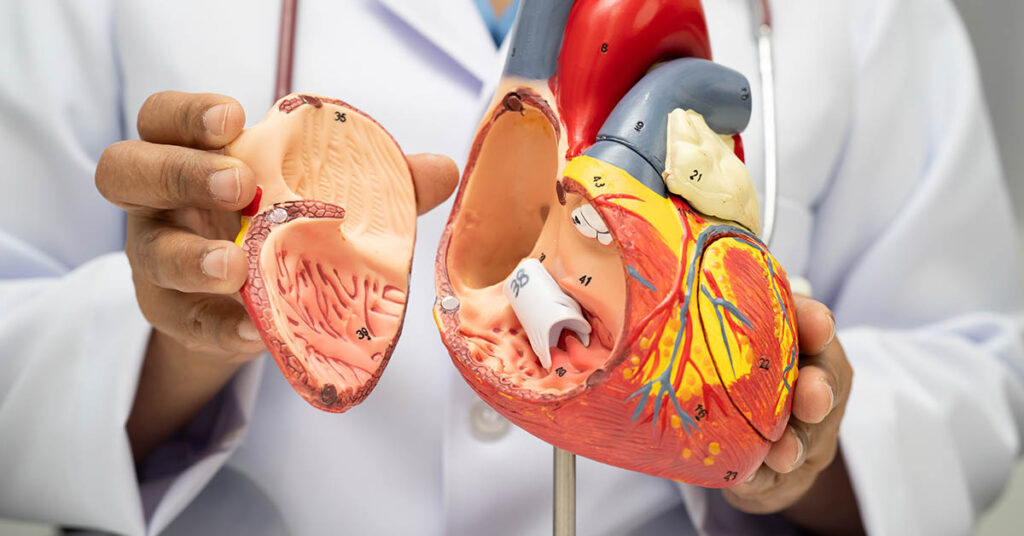
A new study by the Institute of Biomedical Engineering has discovered that studying leg muscle blood flow may help detect cardiovascular disease early. This method was found to be more effective than existing tests and can potentially result in earlier treatments. The earlier doctors can predict heart failure in a patient, the better a patient’s...
What if saving a life started with a leaf of spinach? It may sound far-fetched, but science has taken an unexpected turn—straight into the produce aisle. In a stunning breakthrough first reported in 2017, researchers used spinach leaves to grow human heart tissue. This discovery could offer a new, affordable, and sustainable approach to tissue...
The Dire Wolf has long fascinated scientists and storytellers alike. With its massive frame and powerful jaws, it once ruled prehistoric North America, hunting large mammals alongside—and likely competing with—early humans. Though it disappeared roughly 10,000 years ago, the Dire Wolf never really left our imagination. From fossil exhibits to fantasy series like Game of...
Dominique McShain, a vibrant 21-year-old from New Zealand, was living what many would call a typical young adult life. She studied psychology, recently got married, and had a bright future ahead. But just before her 21st birthday, everything changed. She received a devastating diagnosis—stage 4 colorectal cancer. Now, doctors say she has only days or...
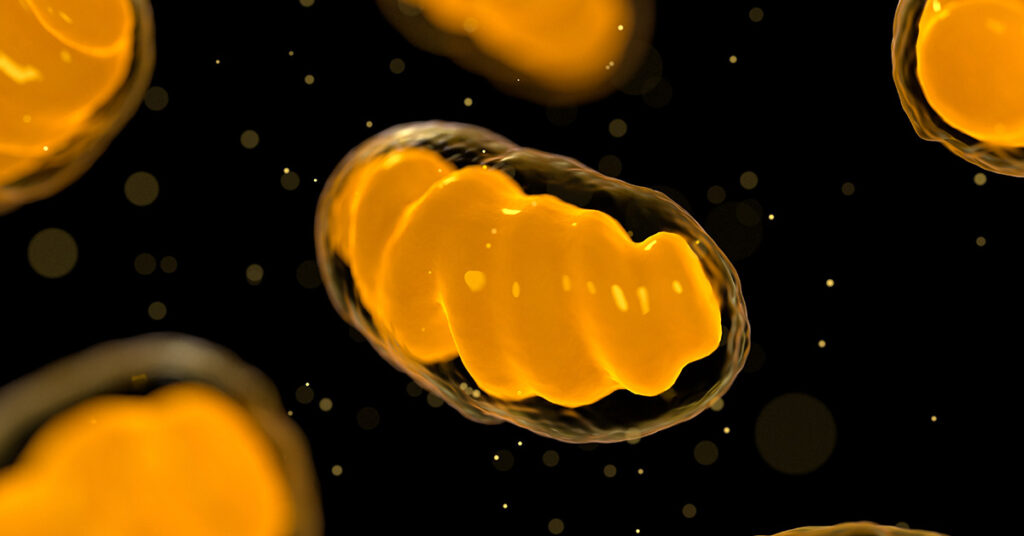
Mitochondrial transplants are becoming a promising new way to treat diseases and potentially extend life. Instead of transplanting whole organs, this approach focuses on transplanting organelles, which are like the organs of a cell. Specifically, it involves replacing old, worn-out mitochondria with healthy ones to boost a cell’s energy and function. Researchers believe this could...
A Nevada teenager’s diagnosis with a rare pulmonary condition has ignited fresh concerns about vaping safety. Seventeen-year-old Brianne Cullen, an active cheerleader, developed bronchiolitis obliterans, commonly known as “popcorn lung,” after vaping daily for three years. A Cheerleader’s Health Crisis Brianne began vaping at 14 to help with anxiety when returning to school after COVID...
If you’re dreaming of epic hikes, breathtaking views, or peaceful outdoor escapes, you’re in the right place. This guide will take you through the top national parks to visit by state, showcasing the best nature each has to offer. From Alaska’s remote wilderness to Florida’s tropical coasts, every state brings something unique to the table....
Carnegie Mellon University researchers have developed a technology that detects three dimensional shapes and movements of human bodies in a room, using only WiFi routers. By analysing radio waves reflected off bodies, their system reconstructs human bodies without cameras or LiDAR. This technology leverages artificial intelligence and existing WiFi infrastructure to provide an alternative to...
Earth Day began in 1970 as a call to action for environmental protection. However, many early predictions made during that time were alarmist and did not materialize. For instance, some scientists predicted that civilization would collapse within 15 to 30 years due to environmental degradation. Others forecasted mass famines and the extinction of numerous species....
Researchers at the University of Minnesota Medical School discovered a significant warning sign that may help predict the likelihood of having an ischemic stroke or developing dementia. This research may enable doctors to treat patients earlier and improve their outcomes. The researchers sought to try and identify which sign of left atrial myopathy is the...
Constipation is fairly common but it’s never comfortable. Its symptoms include fewer than three stools a week, hard and dry stools, and straining or pain when trying to pass them. It’s a common side effect of medications and unhealthy lifestyle habits, such as dehydration and a diet low in dietary fiber. Fortunately, it can be...
The heart rate of hummingbirds can be incredibly rapid, ranging from around 200 to 1200 beats per minute. A human heart rate, in comparison, ranges from around 60 to 100 beats every minute. The slowest heartbeat award of any warm-blooded animal must surely go the the blue whale. Believe it or not, their heart rates...