The Lancet Commission has been accused of ignoring two very effective ways of minimizing dementia risk factors. The Alzheimer’s Prevention Expert Group pointed out that the commission failed to mention the benefits of B vitamins, omega-3 fish oils, and a low-sugar diet. Led by 11 leading scientists, the group has requested that the commission revise...
Food is a universal necessity, yet the way it is consumed varies dramatically across the globe. Photographer Peter Menzel and writer Faith D’Aluisio embarked on a journey to capture this diversity, documenting what families from 24 countries eat on an average week. Their project entitled Hungry Planet highlights not only the variety of diets but...
Many of the foods we regularly purchase may not be as beneficial to our health as we think. Some of these items contain harmful ingredients, while others can be easily replaced with healthier alternatives. By eliminating certain processed products from your shopping list, you can improve your overall well-being. Here’s a look at over 20...
For centuries, people have been fascinated with psychopaths. True crime and fictional crime play a big role in today’s entertainment, from podcasts to films, from documentaries to novels. Most people have heard of serial killers like Ted Bundy, Charles Manson, and Jack the Ripper, as well as fictional ones like Hannibal Lecter, Norman Bates, and...
The process of getting a Brazilian wax is often associated with dread, discomfort, and awkwardness. What we often don’t think of, however, is the person on the other side: The esthetician doing the waxing. Recent revelations from beauticians on Reddit have shed light on some shocking and unsettling experiences they have encountered while performing this...
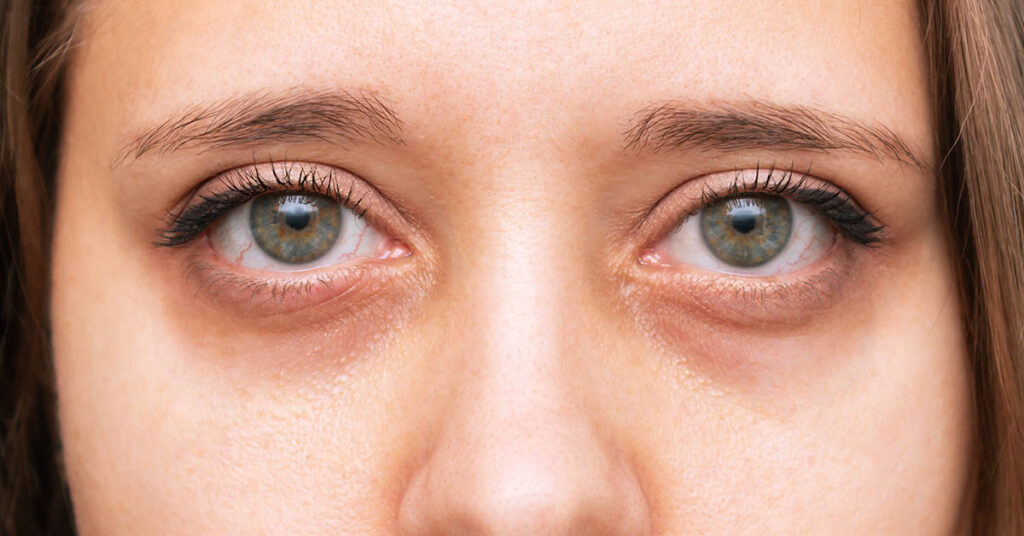
Dark circles under the eyes are commonly attributed to sleep deprivation. This is often true, especially since fatigue can make people look paler, which emphasizes the circles. However, many fully rested individuals still have periorbital hyperpigmentation (POH). This is because there are many other factors contributing to this feature, and fortunately, many can be treated. ...
While everyone has a different level of sweetness that they prefer, one thing is sure: Humans love sweet. Since the beginning of time, we have enjoyed things that are naturally sweet, like fruits, and in more recent history, items such as baked goods, candies, and sugary drinks. Unfortunately, we also now know that a diet...
In recent years, experts have made massive strides in the field of Alzheimer’s research. Recent advancements have provided insights into how the disease develops and potential methods of prevention. Recently, researchers began sharing their understanding of the connection between gut health and Alzheimer’s disease. They have revealed that gut inflammation is linked to a higher...
Strokes are a leading cause of death and disability worldwide, often with no warning. While many risk factors can be silent, experts emphasize that lifestyle choices play a major role in prevention. Below are seven habits stroke doctors advise you to avoid. Do Not Lead a Sedentary Lifestyle One of the most significant contributors to...
You might assume that undercooked meat, poultry, or seafood is the biggest culprit when it comes to food poisoning. Surprisingly, one of the healthiest food groups is the leading cause of foodborne illnesses. Let’s dive into the foods that are most likely to make you sick — and it’s not what you’d expect. Surprise Culprit...
A leading cardiac surgeon, Dr. Jeremy E. London, has shared insights into four key habits he “absolutely avoids” to safeguard his heart health. As cardiovascular diseases continue to be one of the leading causes of death globally, avoiding these four lifestyle choices can significantly reduce the risk of heart disease and improve overall well-being. Smoking...
Chips are a popular go-to snack for many, but they are often loaded with unhealthy ingredients that can have negative impacts on your health. From high sodium content to artificial dyes and trans fats, the chips on this list are some of the unhealthiest options on the market. While moderation is key, it’s important to...