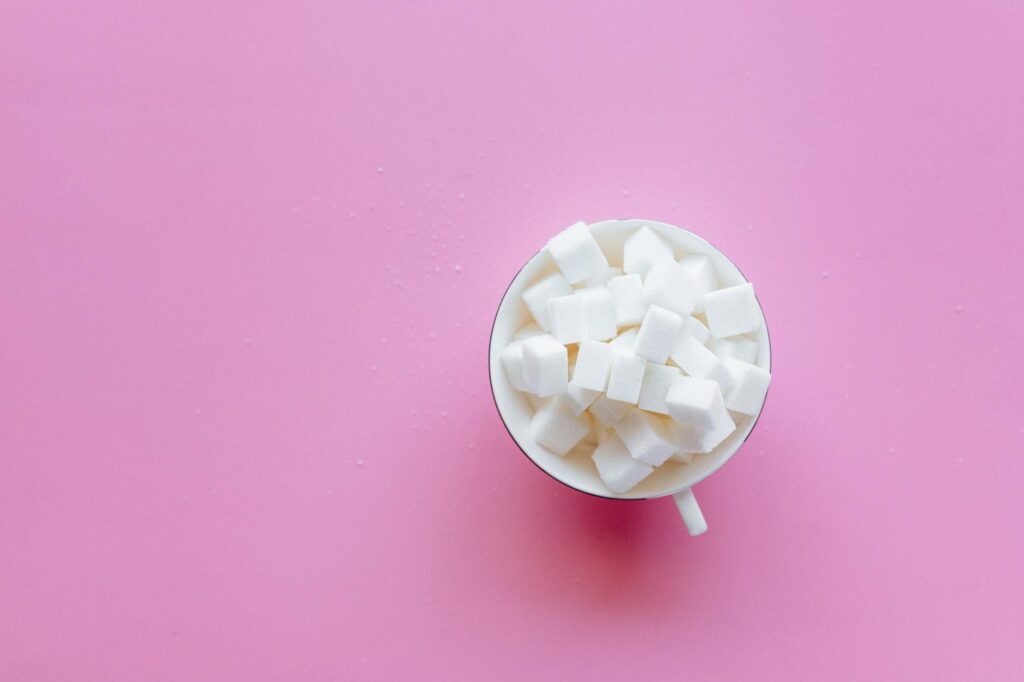
Fructose is linked to fatty liver disease, cognitive decline, gout, and weight gain.
255 Search Results for "fatty liver disease"
Your stool transit time shapes your gut microbiome, bile acid levels, and disease risk.
Know the 7 alcohol liver damage signs before they become irreversible. From fatigue to jaundice, here's what your liver may be telling you.
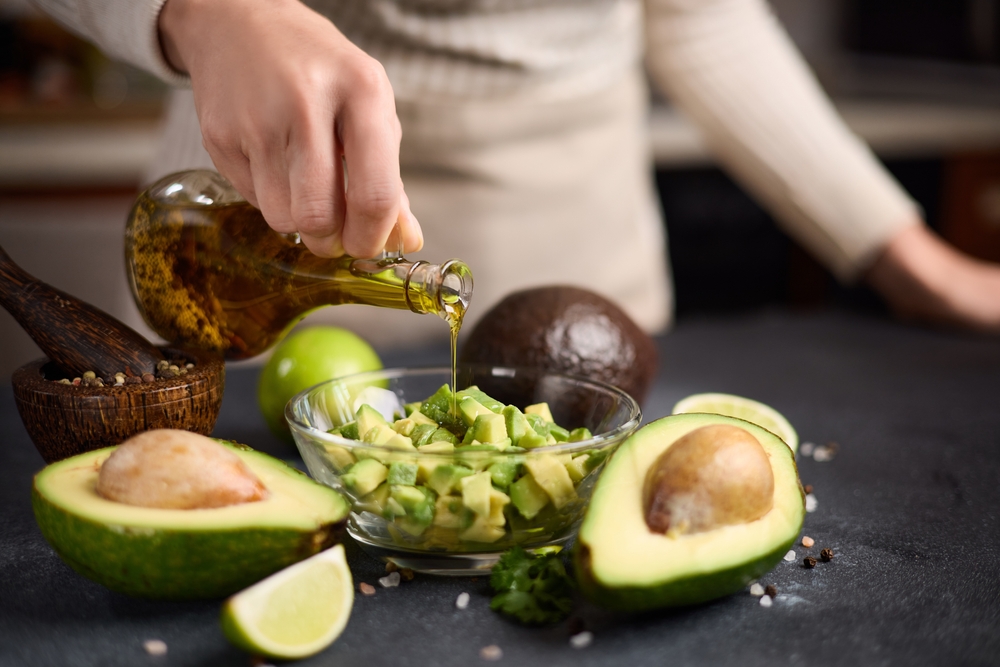
New research links eating avocado regularly to lower LDL particle levels and a reduced risk of heart disease.
A 2026 Cedars-Sinai study of 354,957 people found coffee — including decaf — is linked to sharply lower risks of cirrhosis, liver cancer
New 2026 research on 354,957 people links 5 daily cups of coffee to a 47% lower liver cancer risk and 32% reduced cirrhosis risk.
Three everyday foods — avocados, walnuts, and blueberries — can help lower liver fat, regulate blood sugar, and improve cholesterol
New research links sorbitol, a common sugar-free sweetener, to liver disease when gut bacteria are depleted. Here's what the 2025 Science
Different liver diseases cause muscle loss through distinct biological pathways. Here's what the latest research reveals about each condition
Most people think of liver disease as something that happens to heavy drinkers. Or maybe to people managing obesity or diabetes for years. The idea that a chemical sitting in a spot remover on your shelf, or lingering in the fibers of a freshly dry-cleaned suit, could be quietly damaging your liver feels like a...
Your liver never sends a dramatic warning. No alarm goes off, no obvious moment where everything suddenly feels wrong. It just quietly keeps working – filtering toxins, processing nutrients, regulating metabolism, producing bile – until one day, it can’t keep up anymore. By that point, many people have no idea anything has been building for...
Interest in cannabis and fatty liver has grown quickly because metabolic dysfunction-associated steatotic liver disease, or MASLD, is now one of the most common chronic liver conditions in the world. Against that backdrop, a March 2026 paper in the British Journal of Pharmacology has attracted attention for a simple reason. It did not just report...