An estimated 1 billion people between the ages of 30 and 69 across the globe suffer from sleep apnea, particularly obstructive sleep apnea, according to a 2019 study. To treat sleep apnea, healthcare providers typically suggest using a continuous positive airway pressure (CPAP) device or neuromuscular electrical stimulation (NMES), the latter of which keeps the...
For centuries, cultures around the world have turned to the heat of the sauna for everything from social to spiritual connection. Today, modern science is finally catching up with these ancient traditions, uncovering all of the physiological benefits that go far beyond a simple sweat. From accelerating muscle recovery to triggering significant surges in growth...
In the quiet, sterile room of an oncology ward or a neurologist’s office, the words “six months” or “one year” carry the weight of a final verdict. For most, a terminal diagnosis marks the beginning of the end, a period of frantic legacy-building, tearful goodbyes, and the slow withdrawal from the world of the living....
The word on wellness and nutrition these days seems to be dominated by influencers, often where “superfoods” and “miracle diets” are being pushed out by companies or unqualified influencers dominate our social media feeds. The most profound medical advice, however, doesn’t come from a marketing department, but from the front lines of clinical medicine. Dr....
Most people eat oatmeal without thinking about what it does inside their bodies. It satisfies you and tastes familiar. The surrounding conversation usually ends there. New research from one of Europe’s top research institutions has completely altered that. The findings point to something much more powerful than most people realize. A surprising finding from University...
The human eye is often described metaphorically as the “window to the soul,” but in clinical medicine, it is more accurately viewed as a non-invasive window into the human body’s circulatory and nervous systems. This unique anatomical arrangement allows doctors to observe live blood vessels, cranial nerves, and connective tissues in real-time, offering critical clues...
Many health problems start with small clues, yet some symptoms are serious enough to change the next step. This guide covers emergency health signs that doctors treat as red flags, plus early signs of serious illness that still need prompt attention. It is written for curious, everyday readers who want to understand what tends to...
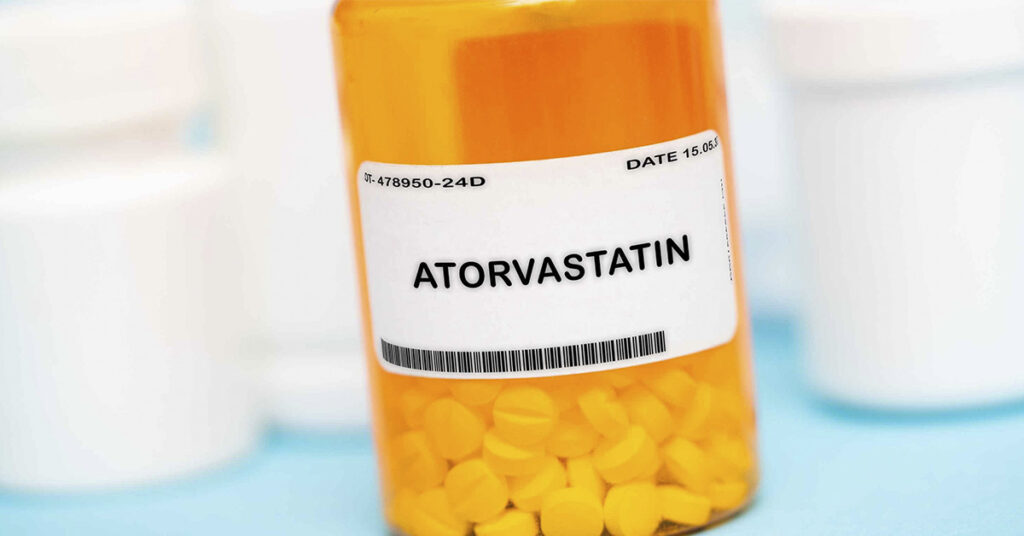
Atorvastatin is a widely used statin that lowers LDL cholesterol and helps prevent heart attacks and strokes. For many people, it works well and causes no serious problems. Yet every effective drug carries cholesterol medication risks for a minority of users. UK guidance highlights rare statin complications that need prompt medical review. The NHS lists...
The heart is one of the most important organs for health and longevity. Despite this, for decades, we have accepted the stiffening of arteries and the shrinking of cardiac chambers as inevitable parts of heart aging and growing older. A growing body of research, however, recently popularized by biochemist Dr. Rhonda Patrick and groundbreaking research...
People have long been looking for and touting quick fixes for complex health problems, and in the age of social media, these trends often go viral pretty quickly. Recently, a particular “health shot” has been making the rounds across platforms, unfortunately overshadowing rigorous science with its promise of an “instant” fix. Those sharing this health...
Living to 100 rarely comes down to a single “longevity gene” or a magic supplement. Improving longevity usually comes from avoiding the illnesses that steal years, mobility, and independence in midlife. Researchers who track large groups for decades keep finding the same theme: people who reach older ages in good shape spend fewer years living...
As our technologies have progressed, so have our communication skills. In the fast-paced, constantly changing, tech-driven world and the culture of being “always on,” younger generations who are perpetually connected are ironically losing the art of effective communication. According to a recent survey conducted by the University of Stavanger, Norway, approximately 40% of Gen Z...