Most people eat oatmeal without thinking about what it does inside their bodies. It satisfies you and tastes familiar. The surrounding conversation usually ends there. New research from one of Europe’s top research institutions has completely altered that. The findings point to something much more powerful than most people realize. A surprising finding from University...
The human eye is often described metaphorically as the “window to the soul,” but in clinical medicine, it is more accurately viewed as a non-invasive window into the human body’s circulatory and nervous systems. This unique anatomical arrangement allows doctors to observe live blood vessels, cranial nerves, and connective tissues in real-time, offering critical clues...
Many health problems start with small clues, yet some symptoms are serious enough to change the next step. This guide covers emergency health signs that doctors treat as red flags, plus early signs of serious illness that still need prompt attention. It is written for curious, everyday readers who want to understand what tends to...
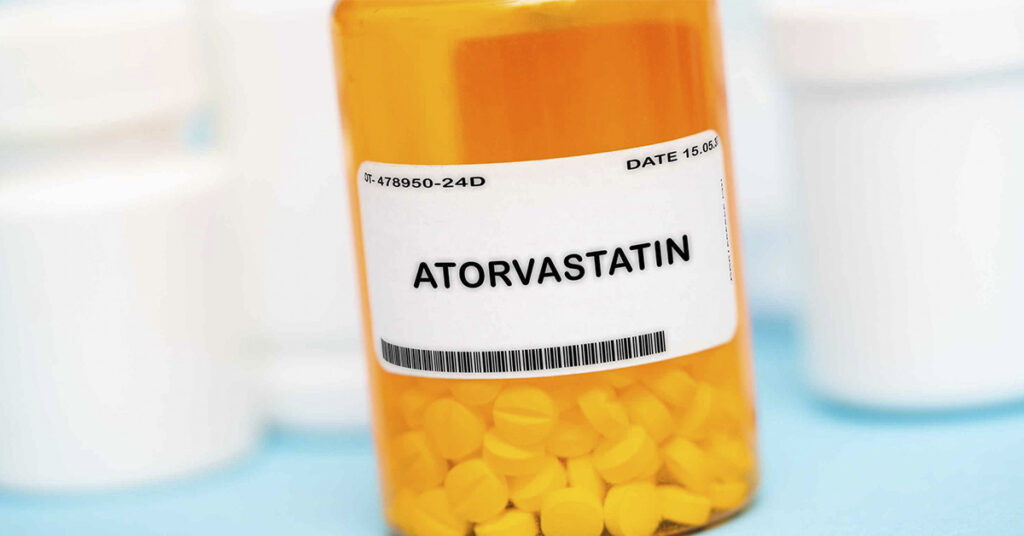
Atorvastatin is a widely used statin that lowers LDL cholesterol and helps prevent heart attacks and strokes. For many people, it works well and causes no serious problems. Yet every effective drug carries cholesterol medication risks for a minority of users. UK guidance highlights rare statin complications that need prompt medical review. The NHS lists...
The heart is one of the most important organs for health and longevity. Despite this, for decades, we have accepted the stiffening of arteries and the shrinking of cardiac chambers as inevitable parts of heart aging and growing older. A growing body of research, however, recently popularized by biochemist Dr. Rhonda Patrick and groundbreaking research...
People have long been looking for and touting quick fixes for complex health problems, and in the age of social media, these trends often go viral pretty quickly. Recently, a particular “health shot” has been making the rounds across platforms, unfortunately overshadowing rigorous science with its promise of an “instant” fix. Those sharing this health...
Living to 100 rarely comes down to a single “longevity gene” or a magic supplement. Improving longevity usually comes from avoiding the illnesses that steal years, mobility, and independence in midlife. Researchers who track large groups for decades keep finding the same theme: people who reach older ages in good shape spend fewer years living...
As our technologies have progressed, so have our communication skills. In the fast-paced, constantly changing, tech-driven world and the culture of being “always on,” younger generations who are perpetually connected are ironically losing the art of effective communication. According to a recent survey conducted by the University of Stavanger, Norway, approximately 40% of Gen Z...
Former model Turia Pitt was running a marathon in Australia when she got trapped in a bush fire. She got severe burns on 65% of her body and her doctors weren’t sure if she would survive. At that point, her boyfriend, Michael Hoskin quit his job as a police officer to take care of her...
When boomers were growing up, community wasn’t something you had to seek out; the way life worked built it in. You married young, you went to church on Sundays, your neighbors showed up when someone fell ill, and if you fell apart, there were people around who noticed. That world is gone. Millennials and Gen...
Douglas Ciríaco, a general practitioner in Brazil and a member of the Brazilian public health system (SUS), is melting hearts with his selfless behavior. The 26-year-old general practitioner is the sole doctor serving 10 rural communities in Ouro Branco, Alagoas. This municipality in northeastern Brazil has severely limited access to healthcare. Douglas Ciríacor works through...
Medication comes with risk, even easily accessible over-the-counter types. This includes ibuprofen, naproxen, and aspirin, all nonsteroidal anti-inflammatory drugs (NSAIDs). Ibuprofen is more commonly known under brand names, like Advil, Motrin, and Nurofen; naproxen is known under the brand Aleve. Many individuals don’t think twice about popping these pills to fix a headache or take...