Vitamin D is one that has found itself in the spotlight often in recent years. Also known as the “sunshine vitamin”, it has long been recognized for its vital role in bone health. Now, emerging research suggests that it might also help to slow down the aging process. This promising finding, however, comes with a...
Most research points towards a link between diet and neurological disorders, such as dementia risk. Many dietary experts purport the Mediterranean and MIND diets for longevity and better health in life. Diets that prioritize whole foods such as fruits, vegetables, whole grains, lean proteins and legumes and are linked with better cognitive function. However, there...
Can you reverse biological age? Many people want to feel and look younger for longer, but not all are willing to do what it takes to achieve this goal. Yet, it is possible – and worthwhile. Take, for example, Dr. Kurt Hong, a 52-year-old nutrition researcher and professor of medicine and aging. His most recent...
Many adults over the age of 50 start to notice that they have increasing difficulty climbing stairs or carrying their groceries as they grow older. While people typically dismiss this as simply a part of getting older, it could be a sign that your muscles are beginning to weaken. As we age, our muscle mass...
Depression affects millions of people worldwide, leaving many searching for ways to ease its heavy impact on daily life. While therapy and medication remain the most common treatments, countless individuals also look to over-the-counter options for extra support. Pharmacies and wellness shops are filled with teas, powders, and capsules promising calm, balance, or renewed energy....
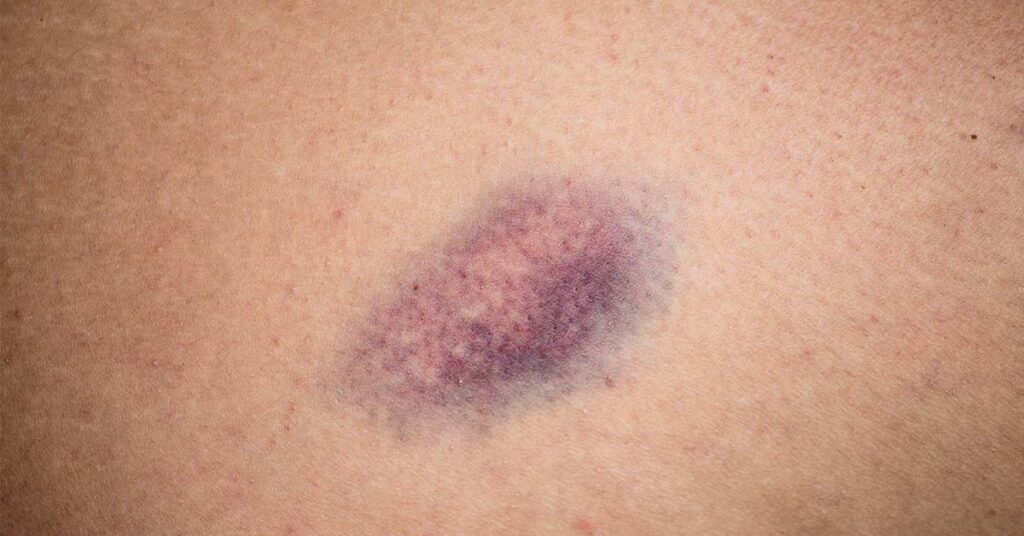
It is surprisingly common to unexpectedly find a bruise on your body. Bruises typically form when the blood vessels under your skin break and start to leak. The blood then changes color as your body goes through the process of reabsorbing it. Women are also more likely to experience these random bruises than men. Most...
Not all high-calorie food is bad for you. What really matters is the quality of those calories. Some foods are full of sugar or unhealthy fat, while others give your body real fuel. A slice of cake and a spoonful of peanut butter might have the same calories, but they don’t do the same thing...
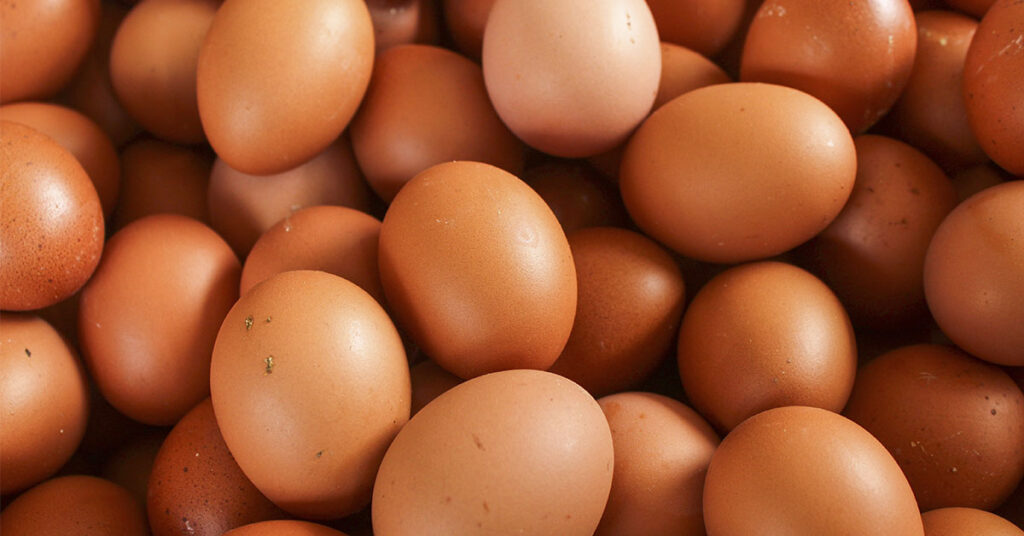
When buying eggs, most people toss a carton into their cart without thinking twice. But making a mindful choice is more important than you may realize. From misleading labels to poor storage conditions, several factors can affect the quality, safety, and nutritional value of your eggs. To ensure you bring home the healthiest and freshest...
Have you ever heard a ringing, buzzing, or hissing sound in your ears when everything around you is completely quiet? That sound, when it has no outside source, is called tinnitus. It is not a disease by itself, but rather a symptom of something else affecting your hearing or brain. Around 10 to 25 percent...
Many grocery items wear the label of “healthy,” but not all live up to the hype. Food companies often use buzzwords like “natural,” “light,” or “gluten-free” to appeal to health-conscious shoppers. However, marketing tricks can hide the real nutritional story. Some products that seem like smart choices may actually be packed with sugar, sodium, or...
From autumn through spring, the seasons bring beautiful changes in landscapes and a variety of cultural and holiday celebrations around the world. While this season can be full of joy, it also brings about something less enjoyable: the flu. Instead of letting a virus derail your plans or relying solely on over-the-counter meds, you can...
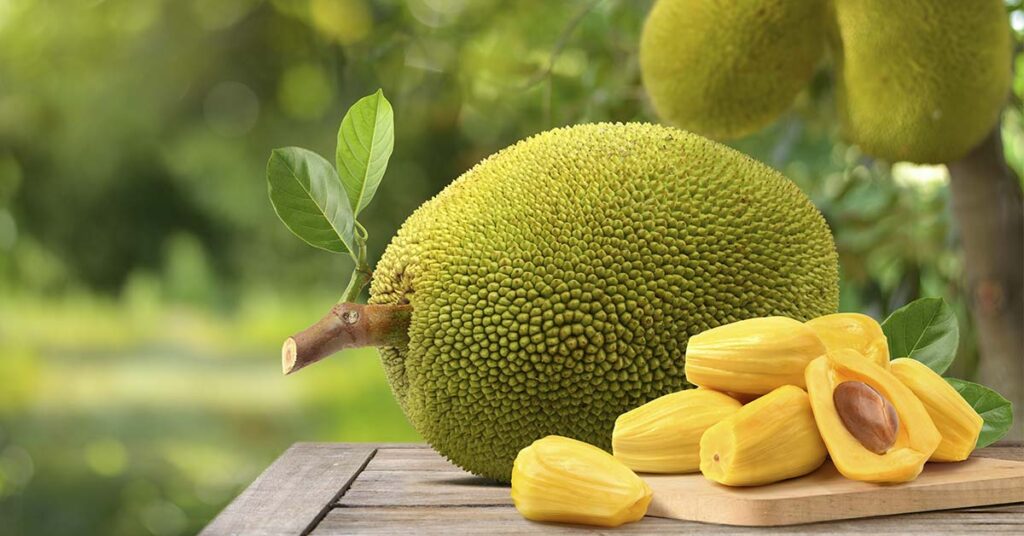
Good news for people looking for new sources of plant-based protein: There’s a tropical fruit gaining popularity in the U.S. Jackfruit is native to Southeast Asia but farmers began growing it in Africa, Australia, Brazil, and other parts of the world. Sometimes called “jak fruit” or “jak,” it is the largest tree fruit on record....