Recent studies reveal that our dreams may hold the key to detecting early signs of neurodegenerative diseases like dementia and Parkinson’s disease. Research from Mount Sinai School of Medicine, the University of Birmingham, and other institutions suggests that unusual sleep patterns and distressing dreams could serve as early indicators of these conditions, potentially revolutionizing early...
Navigating the final stages for a loved one with dementia can be an emotional and challenging experience. Recognizing the signs and knowing how to offer compassionate care can ease the journey for both the person and their caregivers. Recent insights shed light on the physical and emotional changes that occur during this time and provide...
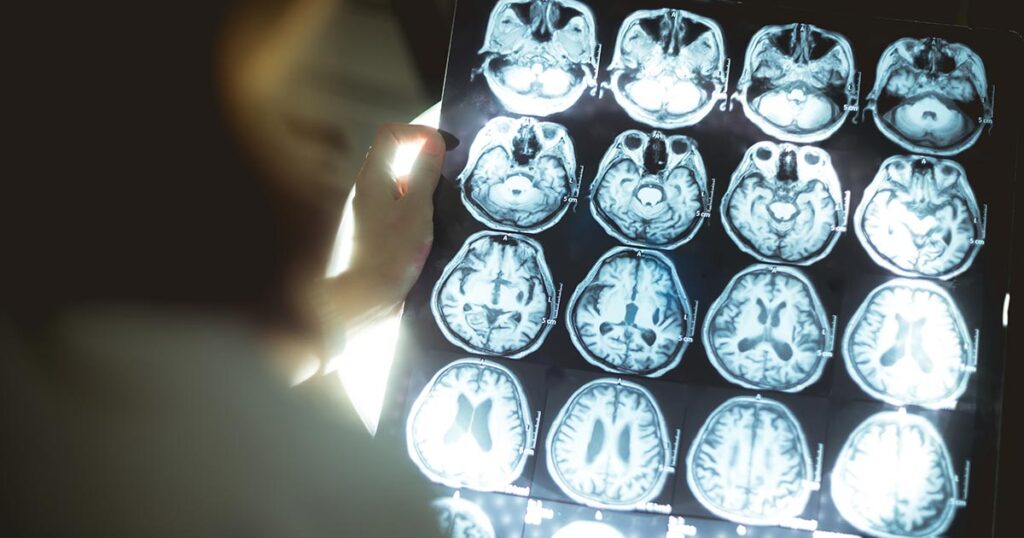
Memory loss is a commonly-known sign of Alzheimer’s disease, but it is not always the first symptom. Alzheimer’s, one cause of dementia, is a brain disease caused by damaged neurons, thereby impacting the ability to think, talk, and walk. The beginning stages tend to involve damage to the area of the brain responsible for memory,...
As we age, older adults often face various health challenges that can impact their quality of life. A recent study has shed light on a lesser-known but significant connection between a common injury and the elevated risk of dementia in seniors. Falls, a prevalent cause of injury in the elderly population, have been found to...
Dementia is a condition that affects millions of individuals worldwide, with Alzheimer’s being the most common form. It is characterized by a decline in cognitive function, memory loss, and impaired reasoning and judgment. While genetics and environmental factors play a role in the development of dementia, lifestyle choices also contribute significantly to one’s risk. Dementia...
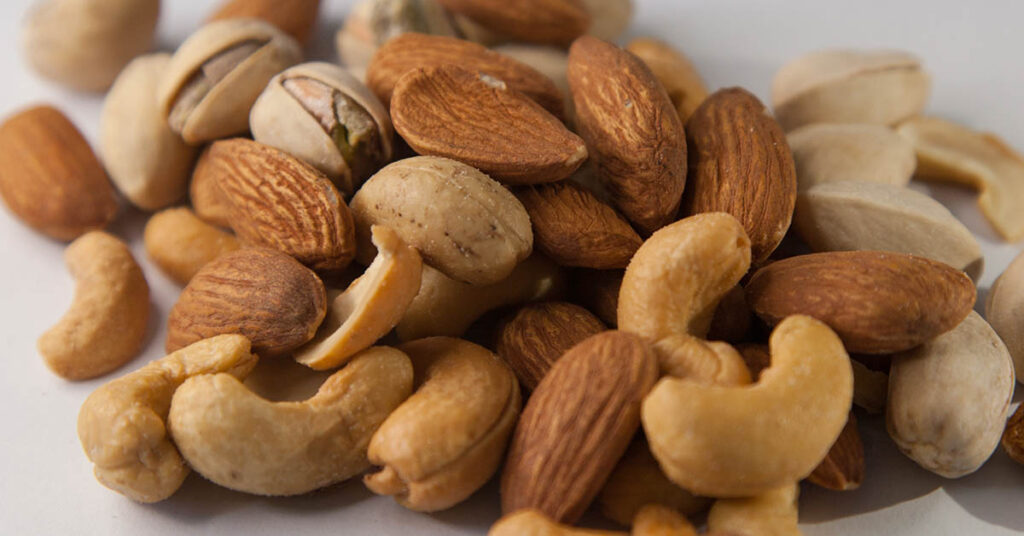
Nuts have long been celebrated for their nutritional benefits, from improving cardiovascular health to fighting inflammation and even aiding in weight management. Recent studies add another accolade to their repertoire, linking regular nut consumption to a reduced risk of dementia and a longer, disability-free life. Here’s a breakdown of why nuts are considered a brain-boosting...
Forgetting things is completely natural and happens to us all every now and then. However, if you are above the age of 65 and you are forgetting things more often than usual, you should speak to your doctor. Recently, scientists studied 233 participants to discover if there is a connection between food consumption and dementia....
According to anesthetist Dr. Zain Hasan, there are five common prescription medications that can increase dementia risk. Dementia is a disease that slowly takes away your independence and memories and millions of people suffer from it across the globe. However, new research shows four in ten cases could be prevented by incorporating a few basic...
Dementia is an illness that affects millions of people worldwide. It results in a gradual decline in memory, reasoning, and daily functioning. While dementia is commonly associated with aging, it can afflict anybody, and early detection is critical for effective therapy. Although the illness is permanent, knowing the dementia warning signs can make a big...
Did you know that you spend a third of your life sleeping? Additionally, we spend a quarter of our sleep time dreaming. This means that a person alive today will spend around six years of an estimated 73-year life span dreaming. Yet, even though we spend such a large portion of our lives dreaming, there...
There’s nothing quite like a little afternoon nap every now and then. However, if you find that your napping starts to interfere with your daily activities, you may want to get yourself checked out. This is because there is a chance that your daytime sleepiness may be indicative of a higher risk of developing dementia. ...
In an emotional revelation, Bruce Willis’ wife, Emma Heming Willis, has shared the first sign that suggested her husband was beginning to suffer from frontotemporal dementia (FTD). As the family continues to navigate life with the diagnosis, Emma has opened up about the initial indications that something was wrong and how it has impacted their...