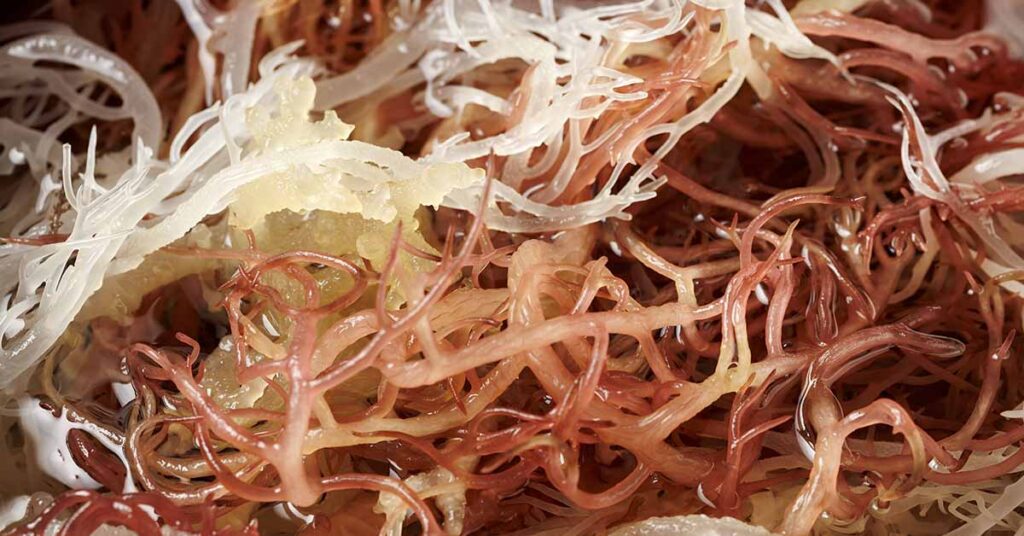
The natural world has long served as a fountain of inspiration for the beauty industry, with organic components frequently used to enhance complexions and potentially slow down the signs of aging. Recently, however, a specific marine-based product has captured the spotlight across social media platforms. Skincare enthusiasts praise sea moss, scientifically known as Chondrus crispus,...
Healthy Eating
Learn how food can be your medicine. Dive into gut health, anti-inflammatory eating, detox support, and nutrient-dense approaches to wellness.
Dinner does not end when the plates leave the table. For many people, it follows them into the bedroom. Foods that disrupt sleep can work through several routes. Some stimulate the nervous system, while some push up blood sugar, then drop it again. Some trigger reflux, bloating, or late-night stomach activity that keeps sleep shallow....
Memory complaints can make any headline sound urgent. Choline deserves attention, but it also deserves restraint. It is a real nutrient with clear biological roles. It is not a miracle discovery from nowhere. The National Institutes of Health says the body needs choline to make acetylcholine. That messenger is an “important neurotransmitter for memory.” Choline...
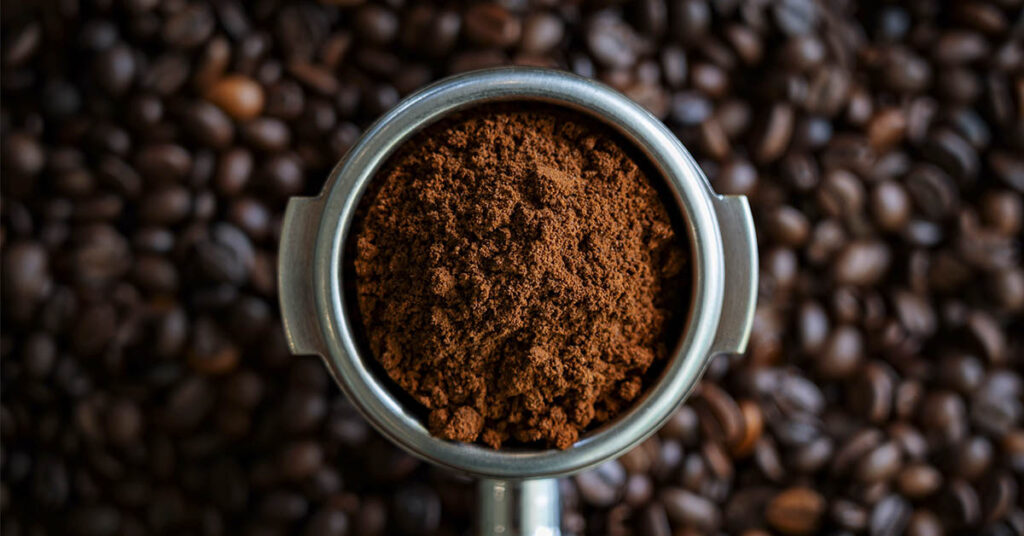
For many of us, the morning ritual of brewing a cup of coffee is about more than just a caffeine kick; it is a necessary gateway to the productive day ahead. Yet, for years, scientists have suspected that there is much more brewing in that carafe than simple stimulation. Epidemiological studies have long suggested that...
Protein does far more than help build gym muscle. It supplies amino acids that support tissue repair, immune defenses, hormones, enzymes, skin structure, and blood proteins that help keep fluid where it belongs. When intake runs too low, the body starts making trade-offs. It protects the most vital jobs first and cuts back elsewhere. That...
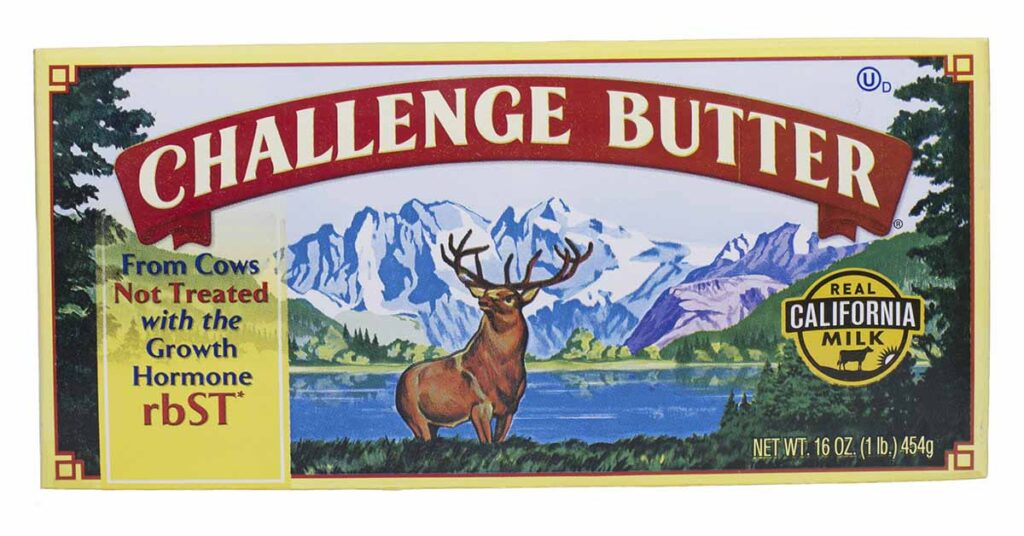
Choosing butter in the dairy aisle can feel trickier than debugging code at 3 AM. Toast, pastries, sauces, and cookies rely on butter for taste and structure. Yet the case holds true for butter, butter blends, and vegetable oil spreads. Those products can look similar. They can cook very differently. US law draws a clean...
Coffee and tea are among the most popular beverages worldwide. Both have been studied for years for their potential health benefits, so their potential for a healthier lifestyle is well known. Scientists are still discovering the remarkable benefits of two of the world’s most popular beverages. They recently discovered an important new reason to continue...
Bananas get blamed for blood sugar spikes because they taste sweet and travel well. Many people label them “too sugary” for diabetes. Yet glucose responses depend on dose, ripeness, timing, and the rest of the meal. A banana is a carbohydrate food, so blood glucose can rise afterward. However, a sharp spike is not guaranteed,...
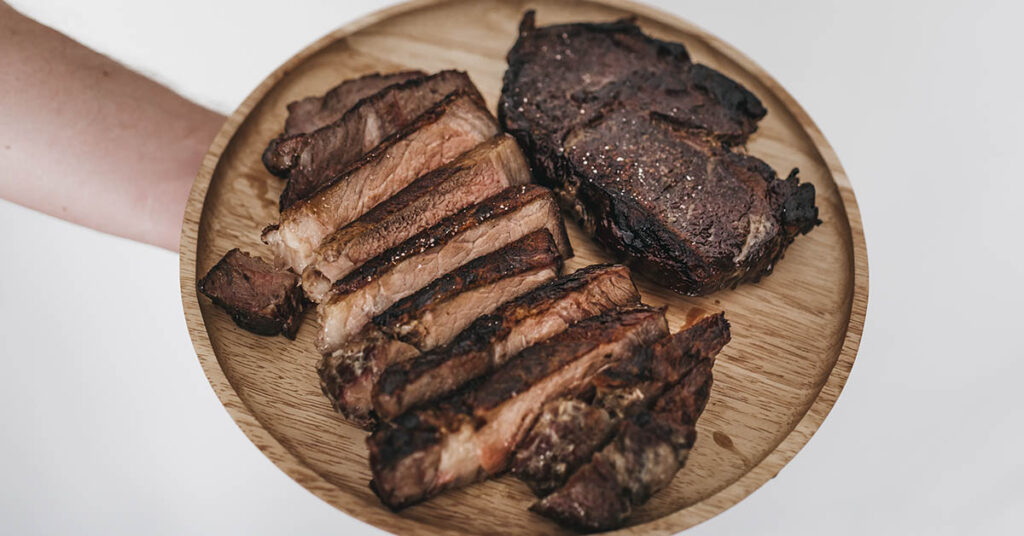
Reaching 100 sounds like a miracle, yet ultimately, biology still negotiates the deal. One new study asked whether meat eaters gain an edge in extreme old age. It also asked whether people who avoid eating meat lose that edge. The researchers did not study midlife habits or gym routines. They studied adults already aged 80...
People have long been looking for and touting quick fixes for complex health problems, and in the age of social media, these trends often go viral pretty quickly. Recently, a particular “health shot” has been making the rounds across platforms, unfortunately overshadowing rigorous science with its promise of an “instant” fix. Those sharing this health...
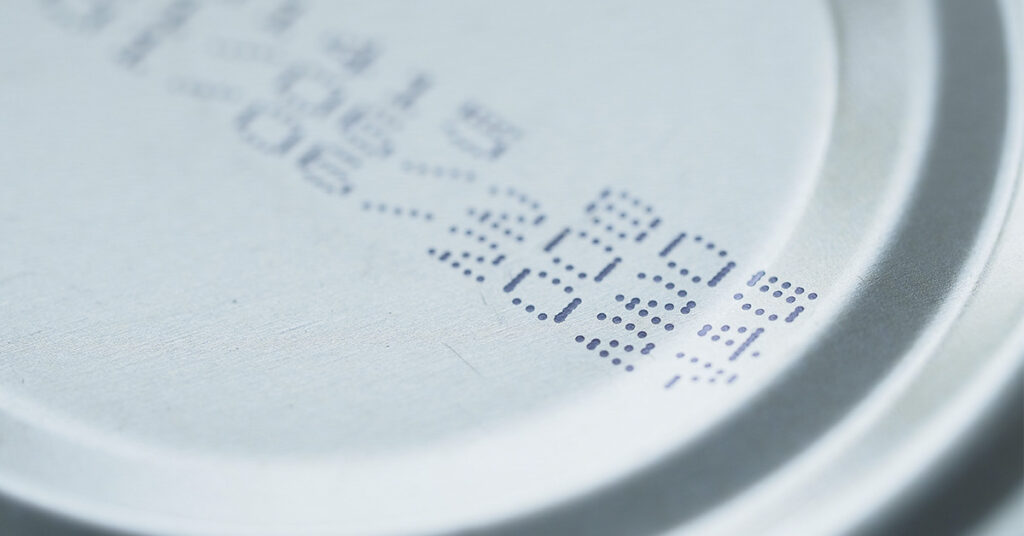
Archaeologists found 3,000-year-old honey in King Tut’s tomb that was still safe to eat. When Howard Carter opened the sealed jars in 1922, the honey looked and smelled like it could have come off a grocery shelf. People throw out canned chickpeas because the printed date passed two weeks ago, but the chickpeas were almost...
Zinc is a trace mineral, but it supports big jobs. Your body uses it for enzymes, immune defenses, growth, and tissue repair. Many people meet zinc needs through food, especially when diets include seafood, meat, dairy, beans, nuts, and seeds. However, intake and absorption are not equal for everyone. Some patterns, like high-phytate diets, reduce...