Sometimes what feels exciting in the moment can come with a cost you didn’t see coming. What starts as harmless fun or a spark of passion can end up leaving marks you can’t just brush off. When the person you choose isn’t the right one, the impact can reach far beyond the night itself. This...
Managing pain in seniors often requires the use of certain painkillers. However, many of these medications often present a range of negative side effects. While many of these risks are known, new ones are still being discovered regularly through various studies, such as the link between painkillers and heart health. A new study has indicated...
The landscape of treating Huntington’s disease, a cruel and relentless neurological disorder, may be on the verge of a revolutionary shift. For a disease that has long defied efforts to slow its progression, new data from a pivotal gene therapy study has delivered a powerful and unprecedented message of hope. The research suggests that actively...
It’s hard to deny the collective exhaustion settling over the United States. The past several years have felt like an emotional gauntlet: a relentless cycle of mass shootings, deep political unrest, crushing economic pressures, and increasingly stark social divides. For many, the constant weight of these crises has become more than simple stress; it’s a...
An epidemic of falls among older adults is a growing public health concern. This is especially given the tragic increase in fall-related deaths. While many factors contribute to this issue, a recent study in the JAMA Health Forum brought to light a significant and often overlooked cause: risky medication prescribing. Certain medications for many common...
Just because a supplement is “natural” doesn’t mean it won’t cause negative side effects. If it has the potential to help, it has the potential to harm. This is especially true if it’s used improperly, such as at high doses, alongside other substances, or without relevant knowledge or guidance. Unlike pharmaceutical drugs, supplements are not...
In recent years we’ve begun to start understanding just how bad the overconsumption of sugar is for our health. Illnesses like obesity and diabetes were not problems until we created extremely high-sugar products that are now ubiquitous in society. Today, so many of our regular, every-day products are laden with sugar – and we’re not...
Our homes are more than just the places where we eat and sleep; they are physical extensions of our minds and are representative of who we are. The items we choose to keep, the way we organize our space, and the activities we engage in within our homes can offer surprisingly clear insights into who...
Between an impending recession, potential threat of war, and dismal housing market, young adults are facing a mental health crisis. Many were told that their adolescence and young adulthood would be the best years of their lives. Recent data suggests that this is no longer the case. For the first time in recorded history, the...
When it comes to our health, prevention remains supreme. Taking steps to give our bodies every possible chance to be healthy and strong is essential. While there are many factors that go into this, one of these that is most under our control is what we choose to eat and drink each day. The combination...
Genital odor is a normally occurring phenomenon that affects both men and women. While it is completely normal to have a temporary smell before a shower or after exercise and sweating, odors that permeate your pants may require intervention. Strong, long-lasting or unusual smells could be signs of an underlying condition or health problems that...
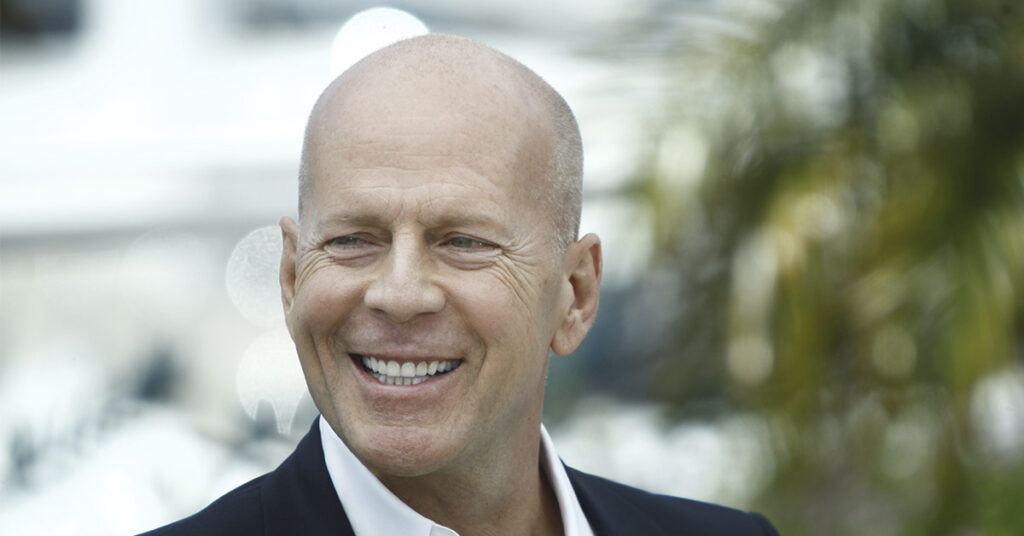
Bruce Willis now lives apart from his family in a specially adapted home where professional caregivers provide round-the-clock support. The actor’s wife, Emma Heming Willis, calls this arrangement one of the hardest decisions she has made in her caregiving experience, but she knew Bruce would want their daughters to live in a home more tailored...