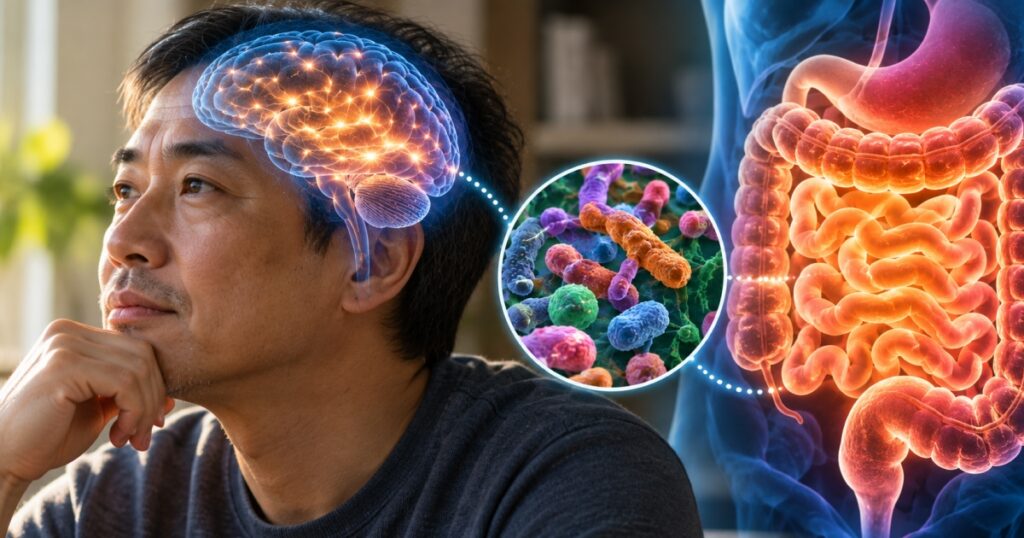
There’s something quietly striking about a person who can sit in the middle of a tense conversation without visibly flinching. Not because they’re cold, or indifferent, or hiding what they feel. They’re doing something far more deliberate: they’re choosing which stimuli deserve a physiological response and which don’t. Researchers studying emotional reactivity reduction in adults...
Heal
Most people don’t think of their daily meals as a factor in global mortality statistics. Yet the way billions of people eat, every single day, is quietly driving one of the largest preventable health crises the world has ever seen. We’re not talking about exotic toxins or rare diseases. We’re talking about common patterns, eating...
Most people spend more time picking an outfit for their doctor’s visit than actually preparing for it. You show up, answer the same questions about your family history, and walk out wondering why that one burning question slipped your mind again. Sound familiar? The good news is that a little advance planning — maybe 20...
Most people don’t think much about their eye lens until something starts going wrong. Maybe it’s that oncoming headlights seem unusually harsh at night, or the colors in a favorite painting look duller than they used to. Perhaps you keep updating your glasses prescription, and it still doesn’t feel quite right. These are the kinds...
Most people don’t think much about their body until something feels off. A cough that won’t quit. Fatigue that sleep doesn’t fix. A mole that looks slightly different from what it did six months ago. These moments pass through the mind quickly, then get filed under “probably nothing.” Sometimes that’s true. But sometimes that quiet...
Think about the people in your life who leave you feeling lighter after every interaction. You can’t always explain why. They didn’t solve your problems or say anything extraordinary. They just made you feel a little better for having been in the room with them. Most of us can name one or two of these...
Most people picture dementia as something that creeps up in old age, something that belongs to a distant future most of us would rather not think about too carefully. But the science is shifting that picture in an uncomfortable direction. A wave of large-scale research is identifying the dementia risk factors that accumulate long before...
Most people spend a lot of time thinking about what they eat and how much they exercise. Sleep – if it comes up at all – is usually framed as a duration problem. Are you getting your seven hours? But a growing body of research is quietly making the case that this framing misses a...
When news first broke that Israeli Prime Minister Benjamin Netanyahu had been treated for prostate cancer without public disclosure, the reaction was immediate. Here was one of the most recognizable and scrutinized leaders on the planet quietly undergoing radiation therapy while simultaneously managing a war — and nobody knew. The diagnosis, the treatment, and the...
You’ve probably had a conversation that left you feeling like you did something wrong – even though you were the one who brought up a real concern. You walked into it clear-headed, and you walked out apologizing. Maybe you tried again later, only for the whole thing to flip on you again, faster this time....
Pancreatic cancer is the kind of diagnosis that stops time. Whether you’ve heard it from a doctor yourself, watched a family member receive it, or followed a colleague’s quiet, difficult year after it, you know that the words land differently than almost any other cancer news. There’s a particular helplessness that settles in around it...
Scientists may have found evidence for an Alzheimer’s Death Switch, a harmful brain process that could help explain how the disease destroys cells. Scientists at Heidelberg University, working with researchers at Shandong University, identified a harmful protein pairing in an Alzheimer’s mouse model. They then used an experimental compound called FP802 to break that pairing...